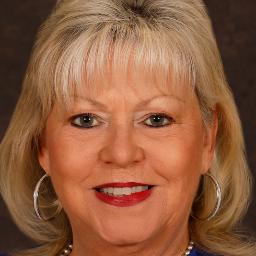
Karen Jurls, LICSW
Alabama · 35 years in practice
Karen Jurls is a licensed clinical social worker (LICSW) with 35 years of experience.
License and registration
- LICSW, Alabama
- 0901C · expires July 2026
- NPI
- 1891452454 · national provider identifier
- Years in practice
- 35
- Languages
- English
Details are as listed on the therapist's public professional profile. You can check the license with the issuing state board, and the NPI with the national registry.
About Karen
Karen Jurls is a licensed clinical social worker (LICSW) with 35 years of experience. She focuses on helping people who feel overwhelmed by stress, anxiety, depression, grief, or life transitions. She aims to make the process of getting help straightforward and practical for worried parents and busy adults.
She pays attention to how emotions and relationships shape day-to-day life. In sessions she helps people notice patterns, name difficult feelings, and try small changes that fit their life.
Background and approach
She brings a steady, respectful presence to conversations about trauma, addiction, sleep or eating problems, and struggles with self-esteem. Her background mixes mental health and public health work, and she has spent time supporting adoptive parents and their children. That experience informs how she thinks about attachment, family of origin issues, and blended family concerns.
She also addresses caregiver stress, aging issues, and difficulties that come from separation, divorce, or domestic violence. Therapy with her may use approaches that focus on emotions and relationships, thoughts and behavior, or values-based action. She works with practical skills for coping, communication, and managing mood symptoms such as bipolar disorder or persistent depression.
Sessions also cover parenting challenges and career-related stress when those concerns come up. Sessions are offered in English and conducted through video, phone, live chat, or text-based messaging. Karen encourages a collaborative pace where goals are set together and progress is checked in regularly.
Focus areas and approaches
Everything Karen lists on their public professional profile, in their own terms.
- Stress, Anxiety
- Relationship issues
- Grief
- Self esteem
- Coping with life changes
- Addictions
- Family conflicts
- Trauma and abuse
- Eating disorders
- Sleeping disorders
- Parenting issues
- Anger management
- Career difficulties
- Bipolar disorder
- Depression
- Coaching
- ADHD
- Abandonment
- Adoption and foster care
- Aging and geriatric issues
- Attachment issues
- Blended family issues
- Caregiver issues and stress
- Communication problems
- Control issues
- Dependent personality
- Disruptive Mood Dysregulation Disorder (DMDD)
- Divorce and separation
- Domestic violence
- Emptiness
- Family of origin issues
- Family problems
- Fatherhood issues
- Forgiveness
- Gender dysphoria
- Guilt and shame
- HIV / AIDS
- Hoarding
- Hospice and end-of-life counseling
- Impulsivity
- Infidelity
- Intellectual disability
- Isolation / loneliness
- Jealousy
- Life purpose
- Midlife crisis
- Personality disorders
- Polyamory / non-monogamous relationships
- Post-traumatic stress
- Sexuality
- Social anxiety and phobia
- Women's issues
Approaches Karen names
- Emotionally-Focused Therapy (EFT)
- Acceptance and Commitment Therapy (ACT)
- Attachment-Based Therapy
- Client-Centered Therapy
- Cognitive Behavioral Therapy (CBT)
- Dialectical Behavior Therapy (DBT)
- Mindfulness Therapy
- Motivational Interviewing
- Narrative Therapy
- Psychodynamic Therapy
- Solution-Focused Therapy
- Trauma-Focused Therapy
Naming an approach is not evidence of training in it. This directory copies what each therapist lists and does not check training records.
Online support
Working with emotions and patterns online
Karen uses Emotionally-Focused Therapy to help people identify and work with core emotions that shape their relationships and reactions. EFT focuses on recognizing feelings, understanding how they influence behavior, and creating new ways to respond that reduce conflict and loneliness.She also uses Acceptance and Commitment Therapy to help people notice thoughts and feelings without getting stuck, and to choose actions that match their values. Attachment-Based Therapy is used to look at how early relationship patterns affect current connections and coping. Together these approaches help with grief, anxiety, mood shifts, and relationship stress in everyday life.
Finding the right approach is part of the work. She collaborates with each person to match methods to their goals, needs, and preferences. That means trying a few ideas, checking what helps, and adjusting the plan together.
Online sessions are offered by video calls, phone, live chat, or text-based messaging to fit different routines. Video is useful for face-to-face conversation, phone works well when bandwidth is limited, and messaging or live chat can be a shorter check-in during a work break. These options make it easier to keep therapy consistent across a busy week.
We will earn a commission if you sign up through our link, at no cost to you. It does not change what you pay or the order of the listings.
Questions people ask
What kinds of concerns does she help with?
She works with stress, anxiety, depression, grief, relationship and family issues, trauma and abuse, addictions, sleep and eating problems, parenting challenges, anger, career concerns, bipolar disorder, ADHD, and related struggles.
What is her therapeutic style like?
She blends emotion-focused and evidence-based approaches. Sessions are conversational and goal-oriented, with attention to feelings, relationships, and practical skills.
How long has she been practicing?
She brings 35 years of experience in mental health and public health settings, including work with adoptive parents and children.
What credentials and location are listed?
She is an AL LICSW, a licensed clinical social worker practicing in Alabama.
Which languages are available for sessions?
Sessions are offered in English.
Can people outside the country work together?
International clients are not currently accepted; sessions are offered to clients located where the license applies.
What session formats are offered?
Therapy can be done by video calls, phone sessions, live chat, or text-based messaging to fit different schedules and needs.
How does cost and starting therapy work?
Cost varies with location and therapist availability and uses a subscription that can be canceled at any time. To begin, select the Start Therapy button, complete a short matching questionnaire, and schedule according to therapist availability.
More therapists in Alabama
See allPaul Moffett
LPC
Experienced counselor focused on emotions and change
- Stress, Anxiety
- Addictions
- Relationship

Mylane Wigley
LPC
Experienced counselor blending skills and connection
- Stress, Anxiety
- Relationship
- Family

JaVae Parham
LPC
Helping people move through stress and family strain
- Stress, Anxiety
- Family
- Parenting

Natalia Koulichova
LPC
Calm guidance for emotional and relationship challenges
- Stress, Anxiety
- Relationship
- Grief

Is this your profile?
Ask us to correct details or take the page down.
Contact us