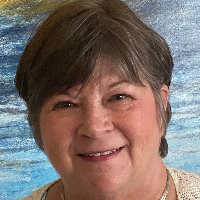
Ranka Smith
BACP
Experienced counsellor focused on emotional connection
- Stress, Anxiety
- Relationship
- Self esteem
26 years in practice
Clinical social work directory
2,837 therapists list post-traumatic stress among the things they work with. All offer sessions online, and every profile shows the registering body, the membership number and when it runs to.
This page lists therapists who indicate post-traumatic stress among their specialties. You can review profiles to compare approaches, credentials, languages, and focus areas. Browse the listings below to explore options and learn more about each therapist.
BACP
Experienced counsellor focused on emotional connection
LCSW
Compassionate therapist focused on practical change
LCMHC
Calm, practical guidance for life's hard moments
BACP
Calm, practical support for emotional challenges
LPC
Compassionate, practical therapy focused on emotion and change
LCSW
Compassionate, goal-focused support for adults
PACFA
Compassionate support for emotional and relationship challenges
LMFT
Trusted therapist for relationships and trauma
LPC
Compassionate emotional work with practical tools
MD, LCSW-C, LCSW
Compassionate clinician with long-term practical experience
BACP
Compassionate, practical support for emotional struggle
LPC
Warm, practical therapy for life’s hard moments
LPC
Practical, emotion-focused counseling for real life
LCSW
Emotion-focused care for everyday struggles
LCSW, CSW
Warm, practical therapy for emotional clarity
AASW
Sensitive, practical support for emotional healing
NCPS
Compassionate help for emotional and relationship challenges
LPC
Therapist focused on emotion and recovery
BACP
Compassionate counsellor helping people find purpose
LCSW
Compassionate, steady support for emotional healing
BACP
Compassionate counsellor for emotional healing
LMFT
Experienced therapist focused on relationships and emotion
LPCC, LPC
Compassionate counselor focused on relationship repair
LCSW
Experienced LCSW focusing on emotion and healing
BACP
Calm, practical support for emotional struggles
BACP
Experienced counsellor focused on emotions and relationships
BACP
Experienced person-centred counsellor for emotional and relationship issues
BACP
Calm, emotion-focused counselling for life challenges
LCSW
Practical emotional work for adults
NCPS
Compassionate integrative counsellor with wide cultural experience
LMFT
Calm guidance to understand and change emotions
LCSW
Trusted LCSW for emotional and relationship challenges
LPC
Compassionate counselor who focuses on emotional connection
BACP
Experienced counsellor offering online emotional support
LMHC
Compassionate counselor for practical change
LCSW
Compassionate, experienced therapist for life transitions
LCMHC
Compassionate therapist for life's hard moments
LCSW
Attachment-focused therapist for relationship and stress concerns
LPC
Compassionate counselor for life transitions and emotion work
LCSW
Compassionate therapy for emotional and relational challenges
LCSW
Compassionate guidance for emotional healing
LMHC
Compassionate, practical support for emotional change
Some links on this page are partner links. We will earn a commission if you sign up through one, at no cost to you. It does not change what you pay or the order of the listings.
Post-traumatic stress refers to the ongoing emotional, cognitive, and physiological effects that can follow a distressing or life-threatening event. It does not look the same for everyone. You might experience intrusive memories, flashbacks, nightmares, or heightened startle reactions. Some people notice a drift away from activities and relationships they once valued, while others experience persistent anxiety, irritability, or a sense of numbness. Sleep and concentration can be affected, and everyday tasks may feel more effortful.
Because reactions to trauma are varied, many people find that their symptoms change over time. Triggers can appear unexpectedly - a certain smell, place, or sound - and bring back strong reactions even years after the event. It is common to feel overwhelmed by changes in mood, energy, or identity while you process the experience. Recognizing the ways post-traumatic stress shows up in your life is a first step toward finding focused support that fits your needs.
If you find that distress linked to a past event is interfering with daily life, relationships, work, or school, you may benefit from working with a therapist who lists post-traumatic stress among their specialties. You might notice repeated intrusive thoughts or images that feel uncontrollable, or you may go out of your way to avoid reminders of the event. Persistent feelings of danger, difficulty trusting others, emotional numbing, or sudden emotional reactions are also common reasons people seek help. Physical symptoms such as sleep disruption, hypervigilance, chronic tension, or unexplained aches can accompany emotional responses.
It is also helpful to consider how long symptoms have been present and whether they have a clear link to a past event. If distress lasts for months or years and affects your quality of life, therapy can offer a space to explore patterns, find new coping strategies, and work on restoring a sense of agency. You do not need to wait until symptoms reach a crisis point to look for support; many people seek therapy to better manage the day-to-day impact and to build resilience over time.
In early sessions you should expect a careful conversation about your history, current challenges, and goals for therapy. A therapist will typically ask about the events that are causing distress, how you have been coping, and whether there are patterns in mood, behavior, or relationships. This assessment helps create a treatment plan tailored to your needs and preferences. If you have questions about a therapist's approach, education, or experience, the profile listings often include the information they choose to highlight.
Therapy for post-traumatic stress is often paced according to your tolerance and readiness. Some people begin with strategies to stabilize daily functioning - such as grounding techniques, sleep hygiene, and emotion regulation skills - before moving into more memory-focused work. Other people prefer an approach that integrates processing of the traumatic memories with skills practice. You should expect the therapist to discuss pacing, safety planning, and homework or practice exercises when appropriate. The collaborative plan should reflect both short-term symptom management and longer-term goals for growth.
Progress in therapy can show up in different ways - improved sleep, fewer intrusive memories, greater ability to tolerate reminders, or better interpersonal functioning. Your therapist may check in regularly about what feels helpful and what does not, and adapt techniques as needed. If one approach feels mismatched, you can discuss alternatives. The relationship with your therapist is part of the process, and feeling heard and respected is a central element of effective care.
There are several approaches that therapists commonly list when working with people affected by trauma. Cognitive behavioral therapy is frequently mentioned; therapists who list cognitive behavioral therapy (CBT) among their approaches often use cognitive strategies to address unhelpful thoughts and behavioral experiments to reduce avoidance. Some therapists note exposure-based techniques among their approaches, which involve careful, graded work with memories or reminders when appropriate for the client. You may also find therapists who list EMDR among their approaches; profiles indicating EMDR suggest that the therapist includes bilateral stimulation or related methods as part of their practice.
Other approaches that appear in profiles include somatic or body-centered methods, which focus on bodily sensations and regulation, and narrative or trauma-focused therapies that help you make sense of the event within the story of your life. Attachment-focused work can be useful when trauma has affected your sense of safety in relationships, and mindfulness-based approaches help some people increase present-moment awareness and reduce reactivity. When reviewing profiles, look for language that aligns with your preferences - for example, whether a therapist emphasizes skills-based work, memory processing, or a relational approach - and remember that a therapist listing an approach does not speak to any specific credential beyond what they share in their profile.
Online therapy offers different formats depending on the therapist's practice model. You may find therapists who list video sessions among their modes of work, phone sessions, or messaging options. In online sessions the structure is similar to in-person care: you will discuss goals, practice skills, and, when appropriate, work on processing memories with techniques adapted for a virtual setting. Many people appreciate the flexibility of meeting from a familiar environment, and online work can make it easier to access clinicians who share language or cultural backgrounds that matter to you.
When considering online therapy, think about the technology and environment you prefer. A reliable internet connection, a device with video capacity, and a comfortable, quiet area to talk can support the work. You might choose a personal room in your home, a parked car, or another discreet space that allows you to speak freely. Boundaries around session time and place help maintain a professional frame and make the work more effective. If you have concerns about using online platforms or need different accommodations, you can look for therapists whose profiles mention experience working with remote modalities or who describe alternative formats.
Choosing a therapist is a personal decision. Start by clarifying what matters most to you - whether it is a particular approach, experience with specific types of trauma, language fluency, cultural identity, or therapeutic style. Use the profile listings to compare how therapists describe their focus areas, approaches, and the populations they work with. Profiles can help you identify clinicians who emphasize the kinds of work you prefer, for example, skills-based coping, memory processing, relational repair, or body-oriented regulation.
When you find profiles that resonate, consider reaching out to ask about how they typically structure sessions for post-traumatic stress, what a typical course of work might involve, and how they collaborate on goals. You can also ask about their experience working with particular populations or life circumstances similar to yours. Trust your sense of fit during initial conversations; rapport and feeling understood are important components of effective therapy. If at any point the match does not feel right, it is reasonable to continue searching until you find a therapist whose approach and style align with your needs.
Finally, remember that seeking help is a step toward reclaiming stability and agency in your life. Whether you pursue online sessions or in-person care, the process of exploring options and connecting with a therapist who lists post-traumatic stress as a focus can help you find practical tools and a supportive process for moving forward.