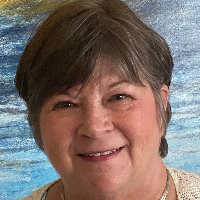
Ranka Smith
BACP
Experienced counsellor focused on emotional connection
- Stress, Anxiety
- Relationship
- Self esteem
26 years in practice
Clinical social work directory
3,913 therapists list stress & anxiety among the things they work with. All offer sessions online, and every profile shows the registering body, the membership number and when it runs to.
This page lists therapists who identify stress and anxiety as areas of focus. Browse profiles below to compare approaches, languages, credentials and experience to help find a good match.
BACP
Experienced counsellor focused on emotional connection
LCSW
Compassionate therapist focused on practical change
BACP
Understanding emotions to guide practical change
LCMHC
Calm, practical guidance for life's hard moments
BACP
Calm, practical support for emotional challenges
LPC
Compassionate, practical therapy focused on emotion and change
LCSW
Compassionate, goal-focused support for adults
PACFA
Compassionate support for emotional and relationship challenges
LPC
Compassionate emotional work with practical tools
BACP
Emotion-focused, practical therapy for life challenges
MD, LCSW-C, LCSW
Compassionate clinician with long-term practical experience
BACP
Experienced relational counsellor for adults
BACP
Compassionate, practical support for emotional struggle
LPC
Warm, practical therapy for life’s hard moments
LPC
Practical, emotion-focused counseling for real life
BACP
Compassionate counsellor for relationship and identity concerns
LCSW
Emotion-focused care for everyday struggles
LCSW, CSW
Warm, practical therapy for emotional clarity
AASW
Sensitive, practical support for emotional healing
NCPS
Compassionate help for emotional and relationship challenges
BACP
Compassionate counsellor helping people find purpose
LCSW
Compassionate, steady support for emotional healing
BACP
Compassionate counsellor for emotional healing
BACP
Warm, direct counselling using Emotionally-Focused Therapy
LMFT
Experienced therapist focused on relationships and emotion
LPCC, LPC
Compassionate counselor focused on relationship repair
LCSW
Experienced LCSW focusing on emotion and healing
BACP
Calm, practical support for emotional struggles
BACP
Experienced counsellor focused on emotions and relationships
BACP
Experienced person-centred counsellor for emotional and relationship issues
BACP
Calm, emotion-focused counselling for life challenges
LCSW
Practical emotional work for adults
LMHC
Calm, practical support for everyday challenges
NCPS
Compassionate integrative counsellor with wide cultural experience
LMFT
Calm guidance to understand and change emotions
LCSW
Trusted LCSW for emotional and relationship challenges
LPC
Compassionate counselor who focuses on emotional connection
BACP
Experienced counsellor offering online emotional support
LMHC
Compassionate counselor for practical change
BACP
Calm support for stress and relationships
Some links on this page are partner links. We will earn a commission if you sign up through one, at no cost to you. It does not change what you pay or the order of the listings.
Stress and anxiety are normal responses to demands, uncertainty and perceived threats. In everyday life you may notice periods of overwhelm, restless thinking, or tension in your body when facing work pressures, relationship challenges, or significant life changes. For some people those responses are short lived and manageable. For others they can persist, interfere with sleep, reduce enjoyment, create avoidance of situations, or make it harder to focus and make decisions.
Because stress and anxiety show up in many ways - emotionally, physically and behaviorally - you might experience a tight chest, racing thoughts, irritability, or a tendency to withdraw. The intensity and frequency of these experiences vary across people and across time. Understanding what your pattern looks like is often the first step toward deciding whether professional support could be helpful.
If you find that worry or tension is limiting your ability to work, sustain relationships, or enjoy activities you once liked, therapy can offer a structured place to explore those patterns. You may notice persistent sleep disruption, avoidance of social or professional situations, increasing reliance on substances or other behaviors to cope, or a growing sense of exhaustion. These patterns can indicate that more than self-help strategies are needed.
Therapy can also be appropriate if you want a professional perspective on triggers and coping strategies even when symptoms do not meet a diagnostic threshold. Some people seek help to learn tools for managing acute periods of stress, while others prefer to address long-standing anxious patterns. If your stress feels overwhelming or you are unsure how to move forward, a therapist who lists stress and anxiety among their specialties can help you explore options and set goals that fit your life.
Early sessions usually focus on building rapport and developing a clear picture of your current concerns and history. A therapist will generally ask about the situations that trigger worry or tension, how symptoms affect your daily life, any coping strategies you already use, and your goals for therapy. This assessment helps shape a plan that may combine practical skills with deeper exploration of patterns that maintain stress and anxiety.
In-session work often includes learning and practicing strategies that you can use between meetings. You may practice breathing or grounding techniques, experiment with ways to shift unhelpful thought patterns, or role play approaches to difficult conversations. Over time you and your therapist will review what is working and adjust the focus. Therapy is typically collaborative - you set goals and provide feedback about what feels useful so the approach can be tailored to your preferences and circumstances.
There are many approaches that therapists list on their profiles as options for addressing stress and anxiety. Some focus on practical skills for managing symptoms in the moment, while others emphasize understanding underlying patterns and beliefs that contribute to anxious responses. For example, therapists who list cognitive-behavioral techniques among their approaches often include work on identifying and challenging unhelpful thoughts and increasing exposure to situations you may be avoiding. Therapists who list mindfulness-based approaches may focus more on present-moment awareness and acceptance strategies to reduce reactivity.
Other approaches you might see listed include therapies that emphasize the role of emotions and relationships in stress, body-focused methods that attend to physical tension and regulation, and integrative approaches that combine elements from several traditions. When reviewing profiles, notice whether a therapist describes approaches in a way that matches your preferences - for example, whether you want structured skill-building, exploration of life experience, or a blend of methods. Remember that a listed approach indicates that a therapist uses it in practice, not that any specific credential is implied.
Online therapy can make it easier to connect with therapists who list stress and anxiety among their specialties, especially if you live in a region with fewer local options or need flexible scheduling. Sessions often take place through video or phone, and some therapists also use messaging for brief check-ins. You should expect the therapist to discuss how the online format will be used, including how to handle technical interruptions and what to do in an emergency. Many people find that online sessions allow them to practice skills in the environments where stress happens, such as at home or during a break at work.
When choosing a therapist for stress and anxiety, consider several practical and personal factors. Think about the kinds of approaches that appeal to you, such as structured skill work or a more exploratory style, and look for therapists who list those approaches. Note the professional credentials and any population focus that aligns with your life stage or identity. If language, cultural understanding, or experience with certain life challenges matters to you, prioritize therapists who list those attributes.
It can be helpful to pay attention to how a therapist describes their work in their profile and how that aligns with your goals. Consider whether you prefer a goal-oriented experience with homework and skills practice, or whether you want more space to process emotions and relationships. Reflect on practical matters like session length, communication style, and whether you want video or phone sessions. You may also look for therapists who list experience with specific life circumstances that resonate with you, such as work-related stress, caregiving responsibilities, or transitions.
Choosing a therapist can feel like an important decision. Remember that initial meetings are opportunities to see how well you connect, whether the therapist’s approach fits your preferences, and whether the proposed way of working feels helpful. Over time you can reassess and adjust as needed. The profiles on this page are designed to help you compare focus areas, approaches, credentials, languages and experience so you can identify professionals to explore further in your search for support with stress and anxiety.