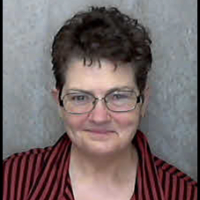
Ranka Smith
BACP
Experienced counsellor focused on emotional connection
- Stress, Anxiety
- Relationship
- Self esteem
26 years in practice
Clinical social work directory
4,059 therapists list Emotionally-Focused Therapy (EFT) among the ways they work. Naming an approach is not evidence of training in it, so ask directly how they use it.
Emotionally-Focused Therapy (EFT) is an approach that focuses on emotional experience and attachment patterns to support healthier relationships and personal coping. Below you can browse therapists who list this approach among their methods to view profiles, specialties and languages.
BACP
Experienced counsellor focused on emotional connection
LCSW
Compassionate therapist focused on practical change
BACP
Understanding emotions to guide practical change
LCMHC
Calm, practical guidance for life's hard moments
BACP
Calm, practical support for emotional challenges
LPC
Compassionate, practical therapy focused on emotion and change
LCSW
Compassionate, goal-focused support for adults
PACFA
Compassionate support for emotional and relationship challenges
LMFT
Trusted therapist for relationships and trauma
LPC
Compassionate emotional work with practical tools
BACP
Emotion-focused, practical therapy for life challenges
MD, LCSW-C, LCSW
Compassionate clinician with long-term practical experience
BACP
Experienced relational counsellor for adults
BACP
Compassionate, practical support for emotional struggle
LPC
Warm, practical therapy for life’s hard moments
LPC
Practical, emotion-focused counseling for real life
BACP
Compassionate counsellor for relationship and identity concerns
LCSW
Emotion-focused care for everyday struggles
LCSW, CSW
Warm, practical therapy for emotional clarity
AASW
Sensitive, practical support for emotional healing
NCPS
Compassionate help for emotional and relationship challenges
LPC
Therapist focused on emotion and recovery
BACP
Compassionate counsellor helping people find purpose
LCSW
Compassionate, steady support for emotional healing
BACP
Compassionate counsellor for emotional healing
BACP
Warm, direct counselling using Emotionally-Focused Therapy
LMFT
Experienced therapist focused on relationships and emotion
LPCC, LPC
Compassionate counselor focused on relationship repair
LCSW
Experienced LCSW focusing on emotion and healing
BACP
Calm, practical support for emotional struggles
BACP
Experienced counsellor focused on emotions and relationships
BACP
Experienced person-centred counsellor for emotional and relationship issues
BACP
Calm, emotion-focused counselling for life challenges
LCSW
Practical emotional work for adults
LMHC
Calm, practical support for everyday challenges
NCPS
Compassionate integrative counsellor with wide cultural experience
LMFT
Calm guidance to understand and change emotions
LCSW
Trusted LCSW for emotional and relationship challenges
LPC
Compassionate counselor who focuses on emotional connection
BACP
Experienced counsellor offering online emotional support
LMHC
Compassionate counselor for practical change
Some links on this page are partner links. We will earn a commission if you sign up through one, at no cost to you. It does not change what you pay or the order of the listings.
Emotionally-Focused Therapy centers on the idea that emotions shape the way you relate to yourself and others. At its core, EFT draws on attachment theory to understand how people form close bonds and how those bonds can become strained when emotions are misunderstood or avoided. The therapy emphasizes the role of emotional responses as meaningful signals - not problems to be fixed mechanically. In the therapy room the emphasis is on identifying, exploring and shifting emotional patterns so that you and your partner or you as an individual can create new ways of connecting.
The approach is experiential, which means you are invited to observe, describe and reflect on what you are feeling in the moment. Therapists who list EFT among their approaches typically guide you through steps that reduce reactive patterns, clarify core emotional needs and create opportunities to practice new responses. Over time this process aims to reorganize the way you experience your own emotions and how you communicate them to others, strengthening trust and emotional accessibility.
EFT is often used for relationship distress, where recurring cycles of blame, withdrawal or escalation leave partners feeling disconnected. Couples may turn to EFT when they want to rebuild emotional closeness after repeated arguments, betrayal or a sense of growing apart. The method is also applied in individual therapy when attachment wounds, persistent sadness, anxiety or difficulties with emotional regulation interfere with daily life or relationships.
People also seek EFT-style work for grief, identity shifts, parenting challenges and patterns of loneliness that trace back to early attachment experiences. Because EFT focuses on how emotions motivate behavior, it can be helpful when you want to change the rhythm of interactions - for example, replacing defensiveness with openness or learning to express vulnerability without fear. Therapists who list EFT among their approaches may adapt the work to address the way emotions are affecting your specific goals, whether those goals involve intimate relationships, family dynamics or personal resilience.
If you attend an EFT session you can expect a focus on your present emotional experience rather than a long review of past events. The therapist will listen for patterns - the familiar ways you and others respond when emotions become intense. In couples work, the therapist often helps each person name the deeper emotions behind their actions and encourages them to express those feelings directly to one another in a guided setting. These guided interactions, sometimes called enactments, are used so you can practice new ways of responding while the therapist supports the process.
In individual sessions the therapist will help you tune into bodily sensations and feelings that may be driving thoughts and behaviors. You may be invited to slow down, notice subtle emotions and explore what those emotions mean for your needs and choices. Sessions usually include reflection, moment-to-moment coaching and repeated opportunities to try different responses. Many people find this active, relational style creates shifts in understanding that feel immediate and tangible.
EFT differs from approaches that center primarily on thoughts or behavior by placing emotion at the center of therapeutic change. While cognitive-behavioral frameworks focus on patterns of thinking and observable behaviors, EFT attends first to the felt sense of emotion and how attachment needs shape responses. This does not mean thoughts and behaviors are ignored; rather, they are addressed through the lens of emotional experience.
Compared with psychodynamic therapies that explore long-standing unconscious themes and past relationships, EFT tends to emphasize immediate emotional access and present-moment interactions. It is experiential in the sense that you are guided to feel and express emotions in-session, which creates opportunities to rewire relational patterns. Compared with skills-based approaches, EFT often involves deeper exploration of vulnerability and connection as pathways to change. Understanding these differences can help you choose a therapist whose methods align with how you prefer to work - whether you want emotion-focused exploration, cognitive strategies, skills training or a blend of approaches.
You may be a good fit for EFT if you want to address chronic relationship patterns, increase emotional availability or work through attachment-related wounds. If you notice repeated cycles of conflict or withdrawal that leave you feeling misunderstood or isolated, EFT-oriented work can offer ways to rewrite those patterns. Individuals who want to become more in touch with their emotions and learn to express needs more clearly may also find the experiential focus helpful. That said, the method is adaptable; therapists who list EFT among their approaches may tailor the work to meet the needs of individuals, couples and families across a range of concerns.
When you search for a therapist on this site, look for profiles where practitioners list Emotionally-Focused Therapy (EFT) among their approaches and describe how they apply it in sessions. Read descriptions of focus areas to see whether a therapist works with the populations and concerns you have - for example, couples, parents, trauma or mood challenges. Pay attention to stated experience, professional credentials and the languages offered so you can find someone whose background and communication style fit your needs.
It helps to consider practical preferences as well. Read about session formats, whether the therapist emphasizes in-person work, remote sessions or a combination, and whether they describe a collaborative, directive or reflective style. During an initial conversation you can ask how they integrate emotion-focused techniques into their practice, what a typical course of work looks like for your concern and how they approach relapse or setbacks. A thoughtful dialogue can give you a sense of whether the therapist's approach resonates with how you want to engage in therapy.
Before beginning EFT-style therapy, take a moment to reflect on your goals and what you hope will change in your relationships or emotional life. Consider practical questions such as session frequency and whether you prefer individual or joint sessions. In the early stages of the work the focus is often on mapping interaction patterns and creating safety for emotional exploration. As therapy progresses you will likely practice new ways of communicating and responding, and you may notice shifts in how conflicts unfold outside the therapy room.
Therapeutic progress can look different for everyone. Some people notice rapid shifts in understanding and emotional access, while others experience gradual changes as new habits take hold. If difficulties reemerge, an EFT-informed therapist will typically return to emotional processing and practice to reinforce new patterns. Ultimately the aim is to help you form more reliable pathways to connection, whether that means rebuilding trust in an intimate relationship, improving your ability to self-soothe or learning to express needs more effectively.
If you want to explore therapists who use this approach, browse profiles below to compare approaches, focus areas, languages and professional backgrounds. Gathering this information can help you decide who might be the best match for the kind of emotional and relational work you want to do.