Michigan 35 years in practice
Clinical social work directory
Therapists who work with Motivational Interviewing
2,561 therapists list Motivational Interviewing among the ways they work. Naming an approach is not evidence of training in it, so ask directly how they use it.
Motivational Interviewing is a collaborative, goal-oriented counseling style that helps people explore ambivalence and strengthen motivation for change. Below, you can browse therapists who list Motivational Interviewing among their approaches and review profiles to find a compatible match.

Colorado 20 years in practice

Dr. James Hunter Jr
LCMHC
Calm, practical guidance for life's hard moments
- Stress, Anxiety
- Depression
- Relationship
North Carolina 19 years in practice

Dr. Ngozi Okose
LPC
Compassionate, practical therapy focused on emotion and change
- Stress, Anxiety
- Relationship
- Trauma and abuse
Texas 22 years in practice

Barry Wasser
LCSW
Compassionate, goal-focused support for adults
- Stress, Anxiety
- Relationship
- Trauma and abuse
New Jersey 8 years in practice

Georgia 29 years in practice

Farah Southwell
LPC
Compassionate emotional work with practical tools
- Stress, Anxiety
- Relationship
- Family
Georgia 30 years in practice

Julie Elliott
MD, LCSW-C, LCSW
Compassionate clinician with long-term practical experience
- Stress, Anxiety
- Relationship
- Family
Texas 35 years in practice

Tiffany Dunnells
LPC
Warm, practical therapy for life’s hard moments
- Stress, Anxiety
- Trauma and abuse
- Anger
Texas 10 years in practice

New York 26 years in practice

Dedra McIntosh
LCSW
Emotion-focused care for everyday struggles
- Stress, Anxiety
- Relationship
- Trauma and abuse
Florida 3 years in practice

Heather Friend
LCSW, CSW
Warm, practical therapy for emotional clarity
- Stress, Anxiety
- Relationship
- Trauma and abuse
Colorado 8 years in practice

Sukvinder Grewal
NCPS
Compassionate help for emotional and relationship challenges
- Stress, Anxiety
- Relationship
- Family
8 years in practice

Sherry Gould-Hillhouse
LPC
Therapist focused on emotion and recovery
- Addictions
- Trauma and abuse
- Grief
Texas 3 years in practice

Susanna "Susan" Abraham
BACP
Compassionate counsellor helping people find purpose
- Stress, Anxiety
- Addictions
- Grief
15 years in practice

Steven Carlson
LCSW
Compassionate, steady support for emotional healing
- Stress, Anxiety
- Relationship
- Family
Florida 40 years in practice

Jacob Heffernan
LMFT
Experienced therapist focused on relationships and emotion
- Stress, Anxiety
- Relationship
- Family
Hawaii 25 years in practice

Andrew Merz
BACP
Calm, emotion-focused counselling for life challenges
- Stress, Anxiety
- Grief
- Self esteem
5 years in practice

Dr. & Mrs. Joy Rodriguez
LCSW
Practical emotional work for adults
- Stress, Anxiety
- Addictions
- Relationship
Mississippi 6 years in practice

Tomeccia Maxwell
LMHC
Calm, practical support for everyday challenges
- Stress, Anxiety
- Relationship
- Family
Florida 12 years in practice

Savithri (Savi) Jayaweera
NCPS
Compassionate integrative counsellor with wide cultural experience
- Stress, Anxiety
- Relationship
- Trauma and abuse
16 years in practice

Cornelia Williams
LPC
Compassionate counselor who focuses on emotional connection
- Stress, Anxiety
- Addictions
- Relationship
Georgia 7 years in practice

Donna Lemaitre
BACP
Experienced counsellor offering online emotional support
- Stress, Anxiety
- Relationship
- Trauma and abuse
8 years in practice

Pennsylvania 13 years in practice

Michael Robinson
LCSW
Attachment-focused therapist for relationship and stress concerns
- Stress, Anxiety
- Addictions
- LGBT
Louisiana 8 years in practice

Mary Griffith
LPC
Compassionate counselor for life transitions and emotion work
- Stress, Anxiety
- Relationship
- Family
Mississippi 15 years in practice

Kelley Sullivan
LCSW
Compassionate therapy for emotional and relational challenges
- Stress, Anxiety
- Relationship
- Trauma and abuse
Texas 19 years in practice

Faryal Choudry
LCSW
Compassionate guidance for emotional healing
- Stress, Anxiety
- Addictions
- Relationship
Florida 5 years in practice

Elizabeth Carter
LMHC
Compassionate, practical support for emotional change
- Stress, Anxiety
- Trauma and abuse
- Parenting
Florida 32 years in practice

Dr. Douglass Lobo
LMHC
Practical, emotion-focused therapy for adults
- Stress, Anxiety
- Family
- Trauma and abuse
Florida 30 years in practice
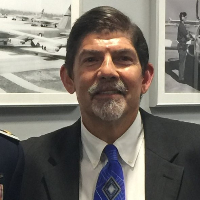
Jacqueline Dougherty
LMHC
Compassionate therapist focused on emotional healing
- Stress, Anxiety
- Trauma and abuse
- Grief
Florida 6 years in practice

Cornelius "Corey" Human
PACFA
Calm, practical therapy for emotional and relationship issues
- Stress, Anxiety
- Relationship
- Parenting
18 years in practice

Oklahoma 20 years in practice

Prossy Nabweteme
BACP
Collaborative counselling for relationships and life changes
- Relationship
- Family
- Grief
12 years in practice

Ganiyat Olaleye
BACP, NCPS
Calm, practical counselling for real-life struggles
- Stress, Anxiety
- Relationship
- Grief
6 years in practice

Shannon Mott
LCSW
Compassionate, practical therapy for life challenges
- Stress, Anxiety
- Relationship
- Family
Louisiana 9 years in practice

Brandon Smith
LMHC
Calm, practical support for emotional change
- Stress, Anxiety
- Relationship
- Self esteem
Indiana 6 years in practice

Oklahoma 25 years in practice
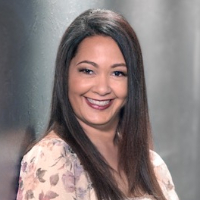
Tammy Russell
LMHC
Practical support for emotional healing and change
- Stress, Anxiety
- Addictions
- Trauma and abuse
Florida 14 years in practice

Faith Chideya
AASW
Compassionate online therapy with practical tools
- Stress, Anxiety
- Family
- Trauma and abuse
4 years in practice

Magdelena "Maggie" Rasheva-Malul
BACP
Compassionate counsellor for emotional clarity
- Stress, Anxiety
- Relationship
- Trauma and abuse
5 years in practice

Dr. Robert Hanser
LPC
Practical, emotion-focused counseling for life challenges
- Addictions
- Relationship
- Family
Louisiana 25 years in practice

Oklahoma 9 years in practice

George Vega
LMHC
Compassionate counselor helping people move forward
- Stress, Anxiety
- Addictions
- Relationship
Florida 11 years in practice

Betty Hull-Williams
LPC
Practical support for emotional and relationship struggles
- Stress, Anxiety
- Addictions
- Relationship
Oklahoma 18 years in practice
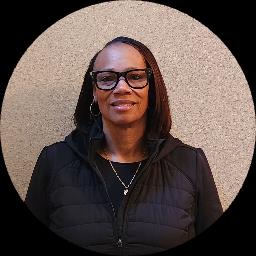
Tammy Piazza
LMHC
Practical skills for stronger emotional balance
- Stress, Anxiety
- Addictions
- Trauma and abuse
New York 7 years in practice

Texas 12 years in practice

Frances Patton
LMFT
Emotion-focused, practical therapy for change
- Stress, Anxiety
- Relationship
- Intimacy-related issues
South Carolina 13 years in practice

Some links on this page are partner links. We will earn a commission if you sign up through one, at no cost to you. It does not change what you pay or the order of the listings.
What Motivational Interviewing Is and the Principles Behind It
Core idea and origins
Motivational Interviewing grew out of work with people facing difficult behavioral choices and the observation that persuasion often backfires. At its heart, this approach treats change as a personal journey you lead - the therapist works alongside you to elicit your own reasons and confidence for change rather than imposing solutions. The method emphasizes empathy, open-ended conversation, reflective listening, and strategic questions that help you weigh options and identify personally meaningful goals.
Key principles in practice
The approach rests on several interlocking principles that shape how sessions unfold. You will often find an emphasis on expressing empathy to build rapport, developing discrepancy to highlight how current behavior contrasts with broader values or goals, rolling with resistance rather than confronting it directly, and supporting self-efficacy so you feel capable of making changes. These principles create a framework that encourages exploration and gradual movement toward decisions you own.
Issues Motivational Interviewing Is Commonly Used For
Behavior change across settings
You will see Motivational Interviewing applied in many contexts where people are deciding whether to change health or lifestyle behaviors. It is often used when people face ambivalence about substance use, adherence to medical recommendations, diet and exercise adjustments, or other habits that affect daily life. Because it focuses on motivation and readiness, it tends to be a helpful starting point when you feel uncertain about whether or how to change.
Working with co-occurring concerns
Motivational Interviewing is frequently combined with other therapeutic approaches to address a broader range of concerns. If you are juggling mental health symptoms, relationship stress, or practical life challenges alongside a behavior change goal, this method can help clarify priorities and set a direction before more intensive or skill-based work begins. Therapists who list Motivational Interviewing among their approaches may integrate it in ways that fit your needs and context.
What a Typical Motivational Interviewing Session Looks Like
Conversation style and structure
When you attend a session that uses Motivational Interviewing, the tone is usually collaborative and conversational rather than directive. A therapist will ask open questions that invite you to reflect on your values, the pros and cons of current patterns, and times when change felt possible. You will encounter reflections that mirror your statements and help you hear your own thinking more clearly. The pace often follows your readiness - some sessions focus on exploring uncertainty, while others move toward planning concrete steps.
From ambivalence to action
Early sessions often center on exploring ambivalence - the mixed feelings that make decision-making complicated. As you articulate reasons for and against change, the therapist helps you notice discrepancies between goals and behaviors in a nonjudgmental way. If and when you decide to pursue change, later conversations typically shift toward practical planning, building confidence, and problem solving. The approach supports incremental steps, so progress can feel manageable and tailored to your circumstances.
How Motivational Interviewing Differs from Other Approaches
Collaboration versus directive methods
Compared with more directive approaches that offer specific strategies or homework early on, Motivational Interviewing prioritizes eliciting your motivation before promoting particular techniques. The therapist acts as a guide rather than an expert who hands down a plan. This difference matters when you feel unsure or resistant - the goal is to help you arrive at decisions that feel authentic and sustainable.
Complementary role in treatment
Motivational Interviewing is often used as a complement to other modalities. Where cognitive-behavioral strategies focus on skill-building and restructuring thought patterns, Motivational Interviewing helps you clarify why you might want to learn those skills and strengthens the commitment to practice them. In that way, it can function as an entry point that prepares you for more skills-focused or insight-oriented work, depending on what you need.
Who Is a Good Candidate and How to Find the Right Therapist
Who tends to benefit
If you are unsure about making a change, feel torn between competing goals, or struggle with motivation in the face of conflicting pressures, Motivational Interviewing can be especially helpful. It is a fit when you want to explore your values and reasons for change without feeling pushed. People in different life stages - whether contemplating health decisions, addressing substance use or changing routines - can find the approach useful because it meets you where you are in the decision-making process.
Finding a therapist who uses Motivational Interviewing
Begin by looking for therapists who list Motivational Interviewing among their approaches and review their profiles to learn about their professional backgrounds, focus areas, and the populations they work with. Read how they describe their style to see if their emphasis on collaboration and client-led goals resonates with you. Consider practical match factors such as the therapist's specialties, experience with issues similar to yours, credentials, and languages offered. Reaching out to ask about how they integrate Motivational Interviewing into their work can give you a clearer sense of whether their approach aligns with your preferences.
Questions to guide your choice
When you contact a therapist, you might ask how they typically structure conversations about motivation, whether they combine Motivational Interviewing with other methods, and how they approach setting goals. Hearing how a therapist describes the process can help you imagine what sessions would feel like and whether their collaborative style fits your needs. Trusting your sense of rapport and clarity about goals is an important part of finding a match that supports the changes you want to make.
Motivational Interviewing is a practical, person-centered way to explore change that honors your autonomy and builds on your own reasons for moving forward. By learning how the approach works and looking for therapists who list Motivational Interviewing among their approaches, you can find someone whose methods and focus align with your goals and make it easier to take the next steps in your journey.