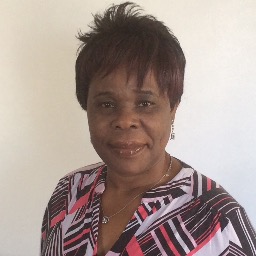
Susanna "Susan" Abraham, BACP
15 years in practice
Susanna "Susan" Abraham is a BACP counsellor who has worked in the field for 15 years.
License and registration
- BACP
- 41442 · expires April 2026
- Years in practice
- 15
- Languages
- English
Details are as listed on the therapist's public professional profile. You can check the registration with the body that granted it.
About Susanna
Susanna "Susan" Abraham is a BACP counsellor who has worked in the field for 15 years. She focuses on helping people who feel stuck by creating a calm, compassionate space to talk through what matters most. Susan aims to help clients build hope, resilience and clearer goals for change.
She uses a person-centred stance so people feel heard and respected in sessions. That approach is combined with methods that look at emotions, patterns of attachment and practical thinking strategies to make sense of recurring difficulties.
Background and approach
Sessions are collaborative - goals are set together and progress is reviewed as therapy continues. Susan has supported people with a wide range of concerns including stress, anxiety, depression, grief and addiction. She also helps with relationship and communication problems, self-esteem, sleep and eating issues, and the challenges that come with major life changes.
Additional focus areas include trauma and abuse, anger, caregiving stress and attachment-related difficulties. Her work can involve looking at how early attachment patterns shape current relationships and emotions. She also uses cognitive-behavioural ideas to identify unhelpful thoughts and small steps to try in daily life.
The overall aim is to help people feel more able to manage tough emotions and make clearer choices. Susan offers sessions in English and works with both UK-based and international clients. Therapy is available by video call, phone, live chat or text messaging and is organised through a subscription model that can be cancelled at any time.
Focus areas and approaches
Everything Susanna lists on their public professional profile, in their own terms.
- Stress, Anxiety
- Addictions
- Grief
- Self esteem
- Depression
- Relationship issues
- Family conflicts
- Trauma and abuse
- Eating disorders
- Sleeping disorders
- Parenting issues
- Anger management
- Career difficulties
- Bipolar disorder
- Coping with life changes
- Coaching
- Compassion fatigue
- ADHD
- Abandonment
- Aging and geriatric issues
- Attachment issues
- Avoidant personality
- Blended family issues
- Body image
- Cancer
- Caregiver issues and stress
- Communication problems
- Control issues
- Dissociation
- Divorce and separation
- Domestic violence
- Drug and alcohol addiction
- Eating and food-related issues
- Emptiness
- Family of origin issues
- Family problems
- Fatherhood issues
- Fertility issues
- Forgiveness
- Guilt and shame
- Immigration issues
- Isolation / loneliness
- Jealousy
- Life purpose
- Midlife crisis
- Veteran and Armed Forces Issues
- Mood disorders
- Multicultural concerns
- Obsessions, compulsions, and OCD
- Panic disorder and panic attacks
- Paranoia
- Personality disorders
- Phobias
- Postpartum depression
- Post-traumatic stress
- Pregnancy and childbirth
- Prejudice and discrimination
- Self-harm
- Smoking / vaping cessation
- Social anxiety and phobia
- Women's issues
- Workplace issues
- Young adult issues
Approaches Susanna names
- Emotionally-Focused Therapy (EFT)
- Attachment-Based Therapy
- Client-Centered Therapy
- Cognitive Behavioral Therapy (CBT)
- Existential Therapy
- Mindfulness Therapy
- Motivational Interviewing
- Narrative Therapy
- Solution-Focused Therapy
- Trauma-Focused Therapy
- Internal Family Systems
Naming an approach is not evidence of training in it. This directory copies what each therapist lists and does not check training records.
Online support
How therapeutic approaches translate to online work
Emotionally-Focused Therapy (EFT) focuses on how emotions shape relationships and personal patterns. Online sessions using EFT-style work help people notice and name strong feelings and try new ways of responding in relationships or within themselves.Attachment-Based Therapy looks at how early bonds affect current trust and closeness. In an online setting this often means mapping patterns in present relationships and practising different interaction styles to feel safer and more connected.
Client-Centred Therapy places the person's experience at the heart of sessions. The counsellor listens carefully, offers reflection and helps clients find their own answers rather than telling them what to do.
Finding the right approach is part of the process. The therapist will talk with the client about goals, preferences and what has worked before, then use elements from these approaches together. That collaborative planning helps shape sessions so they fit practical needs and emotional aims.
Online therapy offers practical flexibility. Video calls allow face-to-face conversation when greater connection is helpful. Phone sessions need less bandwidth and can be easier during busy days. Live chat and text messaging make shorter check-ins and ongoing reflections possible between longer sessions. These options make it easier to fit therapy around work, caregiving or travel.
We will earn a commission if you sign up through our link, at no cost to you. It does not change what you pay or the order of the listings.
Questions people ask
What kinds of problems does she help with?
Susan supports people facing stress, anxiety, depression, grief and addictions. She also helps with relationship strain, low self-esteem, sleep and eating issues and coping with life changes.
What is her style in sessions?
She adopts a warm, person-centred style where the client sets priorities. Sessions are collaborative and practical steps are used alongside emotional exploration.
How much experience does she have?
She has 15 years of experience working as a counsellor and supporting people across a broad range of emotional and life difficulties.
What credentials and location apply?
Susan is registered with the British Association for Counselling and Psychotherapy, listed as BACP, and is based in the United Kingdom.
Which languages are supported?
Sessions are offered in English and she accepts clients from outside the UK as well as within the United Kingdom.
What session formats are available?
Therapy can be delivered by video calls, phone sessions, live chat or text-based messaging to suit different needs and schedules.
How does the cost work?
Costs vary with location and therapist availability; sessions use a subscription that can be cancelled at any time.
How do I begin working with her?
Use the Start Therapy button, complete a short matching questionnaire, and then schedule sessions according to therapist availability.
Is this your profile?
Ask us to correct details or take the page down.
Contact us