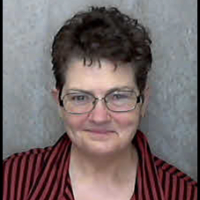
Ranka Smith
BACP
Experienced counsellor focused on emotional connection
- Stress, Anxiety
- Relationship
- Self esteem
26 years in practice
Clinical social work directory
1,676 therapists list self-harm among the things they work with. All offer sessions online, and every profile shows the registering body, the membership number and when it runs to.
Browse therapists who list self-harm support among their approaches and learn how different clinicians describe their focus, credentials, and methods. Use the listings below to explore profiles, approaches, and languages that match what you want.
When you find profiles that seem like a fit, read the detailed descriptions to understand each professional's focus and approach.
BACP
Experienced counsellor focused on emotional connection
LCSW
Compassionate therapist focused on practical change
BACP
Understanding emotions to guide practical change
LPC
Compassionate, practical therapy focused on emotion and change
LCSW
Compassionate, goal-focused support for adults
LPC
Compassionate emotional work with practical tools
BACP
Emotion-focused, practical therapy for life challenges
MD, LCSW-C, LCSW
Compassionate clinician with long-term practical experience
BACP
Experienced relational counsellor for adults
LPC
Warm, practical therapy for life’s hard moments
LPC
Practical, emotion-focused counseling for real life
BACP
Compassionate counsellor for relationship and identity concerns
LCSW
Emotion-focused care for everyday struggles
LCSW, CSW
Warm, practical therapy for emotional clarity
NCPS
Compassionate help for emotional and relationship challenges
BACP
Compassionate counsellor helping people find purpose
LCSW
Compassionate, steady support for emotional healing
BACP
Compassionate counsellor for emotional healing
BACP
Warm, direct counselling using Emotionally-Focused Therapy
LMFT
Experienced therapist focused on relationships and emotion
BACP
Calm, practical support for emotional struggles
BACP
Experienced counsellor focused on emotions and relationships
BACP
Calm, emotion-focused counselling for life challenges
NCPS
Compassionate integrative counsellor with wide cultural experience
LMFT
Calm guidance to understand and change emotions
LPC
Compassionate counselor who focuses on emotional connection
LCSW
Compassionate, experienced therapist for life transitions
LPC
Hopeful, practical therapy for real-life struggles
LPC
Compassionate counselor for life transitions and emotion work
LCSW
Compassionate therapy for emotional and relational challenges
LCSW
Compassionate guidance for emotional healing
LMHC
Compassionate, practical support for emotional change
LMHC
Compassionate therapist focused on emotional healing
PACFA
Calm, practical therapy for emotional and relationship issues
BACP, NCPS
Calm, practical counselling for real-life struggles
LCSW
Compassionate, practical therapy for life challenges
LPCC
Compassionate counselor focusing on emotional connection
AASW
Compassionate online therapy with practical tools
LPC
Practical, emotion-focused counseling for life challenges
LPC
Practical support for emotional and relationship struggles
LMFT
Compassionate therapy for life’s hard transitions
BACP
Calm, emotion-focused counselling for everyday struggles
Some links on this page are partner links. We will earn a commission if you sign up through one, at no cost to you. It does not change what you pay or the order of the listings.
Self-harm refers to intentional actions people take to cause physical injury to themselves, often as a way to manage intense emotional pain, numbness, or overwhelming thoughts. For some people the behavior is an established coping strategy that provides a temporary release from distressing feelings. For others it may appear episodically in response to a specific life event or a period of crisis. The behavior can carry deep emotional meaning and often exists alongside feelings of shame, isolation, or confusion about why it happens.
The effects of self-harm extend beyond the physical marks or injuries. You may notice cycles of guilt and relief that can make it harder to stop, or find that relationships and work become strained as you try to hide episodes. Sleep, concentration, and mood are commonly affected, and you may feel trapped between wanting to stop and feeling unable to do so. Understanding these patterns is often the first step toward changing them, and many people find that talking with a mental health professional helps them explore underlying triggers and develop alternative coping strategies.
It can be difficult to know when to look for professional support, but there are some signs that therapy might help you manage self-harm more safely and effectively. If urges or behaviors are happening more frequently, if you feel unable to reduce or stop the behavior on your own, or if self-harm is interfering with your daily life, relationships, or sense of wellbeing, those are signals that extra support could be useful. You might also notice that attempts to hide marks or injuries leave you feeling more isolated, or that shame and avoidance prevent you from getting help from friends or family.
Co-occurring struggles such as intense mood swings, problematic substance use, persistent intrusive thoughts, or a history of trauma can make self-harm harder to address on your own. If you experience strong thoughts of ending your life or feel that you are in immediate danger of harming yourself, contact local emergency services or crisis resources right away. Therapy can help you build skills, identify triggers, and create plans to manage risk in day-to-day life, but immediate safety needs should always be addressed first.
In the early sessions a therapist will typically ask about your history with self-harm, current patterns, and what you hope to change. This assessment is a collaborative process meant to help you and the therapist understand the functions self-harm serves for you and to identify immediate concerns. You can expect the clinician to discuss safety planning and to work with you to create practical steps for reducing immediate risk and managing urges. The tone is usually exploratory rather than judgmental, and the goal is to build a working plan that reflects your priorities.
Much of the work in therapy involves developing alternative ways to manage distress. That can include learning emotional regulation skills, grounding techniques, ways to tolerate intense feelings without acting on them, and strategies to change thought patterns that contribute to self-harm. Sessions often combine discussion of recent events with practice of specific skills so you can try new strategies between appointments. Over time the focus may shift from crisis management to strengthening resilience and addressing underlying issues that contribute to the behavior.
Therapy also offers space to explore why self-harm began and how it relates to your history, relationships, or sense of self. That work can involve understanding trauma, patterns of interaction with others, or internal beliefs that maintain the behavior. As you feel safer experimenting with new ways of coping, therapy can help you rewrite old patterns and build a fuller repertoire of responses to pain, stress, and emotional intensity.
Clinicians use a variety of approaches when working with self-harm. You will find therapists who list dialectical behavior therapy - DBT - among their approaches, which often emphasizes emotion regulation, distress tolerance, interpersonal effectiveness, and mindfulness skills. Other therapists may describe cognitive-behavioral approaches that focus on changing thinking patterns and behavior, or acceptance-based methods that help you relate differently to painful thoughts and feelings.
Trauma-informed approaches are commonly mentioned by clinicians working with clients whose self-harm is connected to past traumatic experiences. Some therapists describe psychodynamic or relational approaches that explore how early relationships and internal dynamics shape current behavior. Mindfulness and body-focused approaches can help you build awareness of sensations and triggers so you can intervene earlier in the cycle. On this site you can read profiles to see which approaches a therapist lists and how they describe applying those methods to self-harm work.
Online therapy typically involves video or phone sessions that mirror in-person work, with the advantage of meeting from your own environment. For self-harm work, many therapists use the same assessment, safety planning, and skills-training frameworks online as they do in person. You can expect conversations about how to handle crises when you are not in session and plans for contacting local emergency services if needed. Some clinicians supplement sessions with written resources, exercises, or text-based messaging for between-session support, while others focus on scheduled talks. It is important to be in a space where you can speak openly and where you can manage your immediate safety if emotions become intense during a session.
When selecting a therapist, pay attention to how they describe their focus on self-harm, the approaches they list, and the populations they mention working with. Consider the language they use around safety planning and how they discuss collaboration and skill-building. Think about whether you prefer an approach that emphasizes practical skills, a more exploratory therapy, or someone who integrates several methods. Also note practical factors such as language, cultural background, and experience with age groups similar to yours, as those elements can help you feel better understood in sessions.
Reading profiles can give you a sense of how a therapist talks about self-harm and what you might expect from their work together. Look for descriptions that match your goals - for example, whether you want short-term skills-focused support or longer-term exploration of underlying issues. Trust your instincts about tone and style; feeling comfortable with a therapist's manner and priorities is an important part of building an effective working relationship.
If you are seeking help, take the time to review several profiles, note questions you want to ask, and choose therapists whose stated approaches and focus areas feel aligned with what you hope to address. Therapy is a collaborative process, and finding a good match can make it easier to take the steps that help you manage urges, reduce harm, and build more adaptive ways of coping.