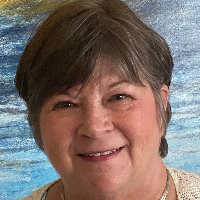
Ranka Smith
BACP
Experienced counsellor focused on emotional connection
- Stress, Anxiety
- Relationship
- Self esteem
26 years in practice
Clinical social work directory
1,551 therapists list aging and geriatric issues among the things they work with. All offer sessions online, and every profile shows the registering body, the membership number and when it runs to.
This page helps you find therapists who list aging and geriatric issues as a specialty. You will see clinicians who work with older adults and caregivers on topics like memory changes, grief, and transitions. Browse the listings below to compare focus areas, therapeutic approaches, credentials, languages, and experience.
BACP
Experienced counsellor focused on emotional connection
LCSW
Compassionate therapist focused on practical change
LCMHC
Calm, practical guidance for life's hard moments
LCSW
Compassionate, goal-focused support for adults
BACP
Emotion-focused, practical therapy for life challenges
MD, LCSW-C, LCSW
Compassionate clinician with long-term practical experience
LPC
Warm, practical therapy for life’s hard moments
LPC
Practical, emotion-focused counseling for real life
LCSW, CSW
Warm, practical therapy for emotional clarity
BACP
Compassionate counsellor helping people find purpose
LCSW
Compassionate, steady support for emotional healing
BACP
Compassionate counsellor for emotional healing
BACP
Experienced person-centred counsellor for emotional and relationship issues
BACP
Calm, emotion-focused counselling for life challenges
NCPS
Compassionate integrative counsellor with wide cultural experience
LMFT
Calm guidance to understand and change emotions
LMHC
Compassionate counselor for practical change
LCSW
Compassionate, experienced therapist for life transitions
LPC
Compassionate counselor for life transitions and emotion work
LCSW
Compassionate therapy for emotional and relational challenges
LMHC
Compassionate, practical support for emotional change
BACP, NCPS
Calm, practical counselling for real-life struggles
LCSW
Compassionate, practical therapy for life challenges
BACP
Compassionate counsellor for emotional clarity
LMFT
Compassionate therapy for life’s hard transitions
LMFT
Compassionate, relational therapy for emotional change
LCSW
Supportive LCSW guiding practical emotional change
LCSW
Compassionate, emotion-focused therapy for real life
BACP
Compassionate, practical therapy for everyday struggles
LPC
Experienced counselor focused on emotions and change
LPC
Compassionate therapist focused on emotional healing
BACP
Calm support for stress and life change
LPC
Compassionate counselor blending emotional and practical work
BACP
Warm, practical counselling focused on feelings and change
LMHC
Compassionate, practical therapy for everyday struggles
LMHC
Compassionate counselor for complex emotions
LPC
A steady, practical counselor for emotional change
LPC
Compassionate counselor for practical change
Some links on this page are partner links. We will earn a commission if you sign up through one, at no cost to you. It does not change what you pay or the order of the listings.
Aging and geriatric issues describe the emotional, social, and psychological changes that commonly accompany later life. These concerns can emerge gradually or in response to a life event - such as retirement, loss of a partner, changes in health, or shifts in daily independence. You may encounter questions about identity, purpose, and role as you or a loved one move through different stages of aging. Practical matters like mobility, chronic illness management, and transitions in living arrangements often interact with mood, stress levels, and relationships. Therapy in this area focuses on the whole person - the strengths, losses, and hopes that shape the experience of aging - rather than framing aging itself as a problem to be fixed.
Many people seek support for issues that overlap with aging concerns. Caregiver strain, worries about memory or cognitive changes, complex grief after multiple losses, and anxiety about future planning are common reasons to explore therapy. Therapy can also help with navigating family dynamics, adjusting to retirement, and coping with social isolation. Because aging affects people differently, clinicians who list geriatric issues among their specialties typically tailor their work to the rhythms and priorities of later life.
You might consider therapy if daily activities feel harder to manage emotionally, or if feelings of sadness, worry, or anger are persistent and interfere with relationships or routines. Noticeable changes in sleep, appetite, or motivation that last more than a few weeks can be meaningful signals. If you or a family member are facing repeated crises related to caregiving, health decisions, or transitions in living arrangements, a therapeutic space can provide structured support for decision-making and emotional processing.
Other indications that therapy could be helpful include growing social withdrawal, difficulty adapting to new roles after retirement, persistent grief after the death of significant people, and increasing tension within family caregiving systems. If memory concerns are present, therapy can assist with coping strategies and communication techniques, even while medical assessment proceeds separately. You do not need a diagnosis to benefit from counseling - many people use therapy to clarify values, set goals for their later years, and strengthen coping skills as circumstances change.
When you begin therapy for aging-related topics, the first sessions are usually about understanding your priorities and context. A clinician will ask about what brings you in, your current supports, relevant medical background, and the specific transitions or stresses you are navigating. This assessment helps shape a collaborative plan that addresses emotional wellbeing, practical problem-solving, and relationship dynamics. You can expect a pace that respects your preferences; some sessions emphasize practical planning, while others focus on deeper exploration of loss, meaning, or identity.
Therapy may incorporate family or caregiver sessions if that is helpful. Work with relatives often centers on communication, boundary setting, and coordinating care roles. In individual sessions you may practice coping strategies, explore values and life review, and develop tools for managing anxiety or grief. The therapeutic relationship itself can provide validation and a structured place to make sense of complex feelings about aging, independence, and interdependence.
Clinicians draw from a range of approaches when working with older adults, and the methods chosen will depend on your goals and circumstances. You will find therapists who list cognitive behavioral therapy among their approaches - this can help with anxiety, sleep changes, and mood by focusing on patterns of thought and behavior. There are therapists who list acceptance and commitment therapy among their approaches - this work emphasizes values-based living and gentle acceptance of difficult experiences. You may also encounter therapists who list psychodynamic approaches among their approaches, which can be useful for exploring long-standing patterns and life story themes that surface in later years.
For grief and trauma-related work, there are therapists who list EMDR among their approaches, and others who list narrative or meaning-centered therapies. Some clinicians list family systems or couples approaches among their methods, offering support for relational challenges that accompany caregiving and role shifts. Creative and expressive modalities are also represented by therapists who list art therapy, music therapy, or life review techniques among their approaches to help people access memory, identity, and emotion in nonverbal ways. When reviewing profiles, note how therapists describe the goals they pursue with older adults and caregivers, and whether those goals align with what you want to work on.
Online therapy can be a practical option when mobility, distance, or transportation limit in-person care. You can connect with a clinician from home, a caregiver setting, or from an assisted living community that permits personal conversations. Sessions commonly take place via video calls or telephone, and some therapists offer messaging or email check-ins as a supplement. Online work can include the same kinds of interventions used in person - conversation-based support, skill-building, life review, and caregiver coaching - adapted for a digital format.
Consider how tech comfort and access factor into your decision. If you prefer phone sessions or smaller video windows, look for therapists who mention that format in their profiles. If a family member assists with technology, discuss boundaries and roles before sessions so that you retain control over the therapeutic process. Some clinicians can coordinate with medical providers or care teams when you request it, but such coordination usually requires explicit consent and planning at the start of care.
Start by clarifying what you want from therapy - symptom relief, decision support, grief processing, caregiver guidance, or help with cognitive concerns. Use those priorities to filter listings by focus areas and approaches. Pay attention to experience with older adults, languages offered, and whether a therapist mentions working with caregivers or family systems. Credentials and licensure provide information about a clinician's professional background, but descriptions of approach and focus will reveal how they work day to day.
Also think about practical fit - session format, average session length, fee range, and whether the clinician describes offering adaptations for sensory or mobility needs. Cultural competence and respect for your values and life story are important, so look for language that aligns with your identity, background, and beliefs. If you are supporting a loved one, seek a clinician who clearly explains how they involve family members and how they protect the person's autonomy. Ultimately, the best match is one where you feel heard and where the therapist's approach fits the goals you care about for this stage of life.
Exploring profiles with these elements in mind will help you find a clinician who lists aging and geriatric issues among their specialties and whose focus, approach, and experience align with your priorities. Therapy is a collaborative process, and finding a good match can make it easier to navigate the emotional and practical questions that arise during later life.