
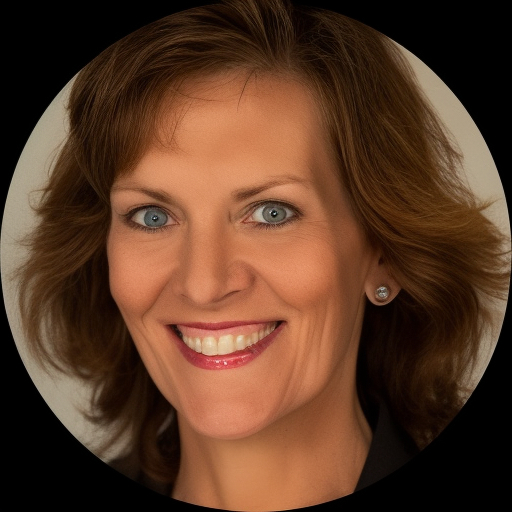
Ruth Vanden Bosch, LPC
Michigan · 25 years in practice
Ruth Vanden Bosch is a Licensed Professional Counselor who helps people manage anxiety, grief, self-esteem struggles, career stress, and relationship challenges.
License and registration
- LPC, Michigan
- 6401002182 · expires March 2027
- NPI
- 1750932125 · national provider identifier
- Years in practice
- 25
- Languages
- English
Details are as listed on the therapist's public professional profile. You can check the license with the issuing state board, and the NPI with the national registry.
About Ruth
Ruth Vanden Bosch is a Licensed Professional Counselor who helps people manage anxiety, grief, self-esteem struggles, career stress, and relationship challenges. She brings 25 years of experience and a practical, encouraging approach to sessions. Ruth speaks English and works with clients both in Michigan and internationally.
Ruth draws on Emotionally-Focused Therapy and attachment-based ideas to help people understand feelings and patterns in close relationships. She also uses Cognitive Behavioral Therapy to break unhelpful thinking and mindfulness practices to reduce stress.
Background and approach
Sessions often blend short-term problem solving with deeper emotional work. Her background includes nursing and counseling training, and she has supported people facing medical illness and caregiving demands. She has led support groups for cancer, hospice, PFLAG, pet loss, and compulsive eating, and contributes writing about healing and resilience.
In sessions Ruth looks for what matters most to each person and adapts interventions to fit their needs. Conversations tend to be warm, straightforward, and focused on small, achievable steps. She emphasizes the connection between body and mind when addressing life changes and long-term challenges.
Ruth also offers coaching-style support for people wanting practical direction on career choices, coping with change, or building stronger communication habits. Her style aims to empower clients to make steady progress toward clearer goals and better day-to-day functioning.
Focus areas and approaches
Everything Ruth lists on their public professional profile, in their own terms.
- Stress, Anxiety
- LGBT
- Relationship issues
- Grief
- Compassion fatigue
- Family conflicts
- Trauma and abuse
- Intimacy-related issues
- Eating disorders
- Self esteem
- Career difficulties
- Depression
- Coping with life changes
- Coaching
- Adoption and foster care
- Aging and geriatric issues
- Body image
- Cancer
- Caregiver issues and stress
- Chronic pain, illness, and disability
- Commitment issues
- Communication problems
- Coping with natural or human-caused disaster
- Eating and food-related issues
- Emptiness
- Family problems
- Fertility issues
- First responder issues
- Forgiveness
- Gender dysphoria
- Guilt and shame
- HIV / AIDS
- Hospice and end-of-life counseling
- Isolation / loneliness
- Life purpose
- Midlife crisis
- Mood disorders
- Panic disorder and panic attacks
- Pregnancy and childbirth
- Prejudice and discrimination
- Seasonal Affective Disorder (SAD)
- Self-love
- Sexual dysfunction
- Sexuality
- Women's issues
- Workplace issues
- Young adult issues
Approaches Ruth names
- Emotionally-Focused Therapy (EFT)
- Attachment-Based Therapy
- Cognitive Behavioral Therapy (CBT)
- Mindfulness Therapy
- Motivational Interviewing
- Solution-Focused Therapy
Naming an approach is not evidence of training in it. This directory copies what each therapist lists and does not check training records.
Online support
How emotional and practical approaches work online
Emotionally-Focused Therapy helps people name and work with strong emotions that influence relationships and personal wellbeing. It focuses on moments of feeling and connection to change patterns that cause pain or disconnection.Attachment-Based Therapy looks at how early bonds shape current reactions and expectations. By noticing those patterns, clients can try new ways of relating and reduce repeated cycles of misunderstanding or withdrawal.
Cognitive Behavioral Therapy, used alongside these approaches, targets the thoughts and behaviors that keep problems going. It offers concrete exercises and small experiments to test new ways of thinking and acting.
Finding the right mix of methods is part of the work. The therapist collaborates with each person to decide which approaches fit their goals and comfort level, adjusting the plan as progress is made.
Online sessions offer flexibility and multiple ways to connect. Video calls allow face-to-face conversation and visual cues, phone sessions can be easier when bandwidth is limited, and live chat or text messaging supports quick check-ins and shorter, focused exchanges. These options make it simpler to fit therapy into a busy life and keep momentum between sessions.
We will earn a commission if you sign up through our link, at no cost to you. It does not change what you pay or the order of the listings.
Questions people ask
What kinds of concerns can be addressed here?
Ruth works with stress, anxiety, depression, grief, relationship and intimacy-related issues, eating and body image concerns, career stress, and trauma or abuse among other topics.
What is the therapist's general approach in sessions?
Sessions combine emotion-focused work and attachment ideas with cognitive-behavioral and mindfulness tools, aiming for both insight and practical coping skills.
How much experience does the counselor have?
She brings 25 years of experience working as a counselor and life coach, including facilitating support groups and writing about healing.
What credentials and location are listed?
Ruth holds the LPC credential and practices from Michigan.
Are sessions offered in other languages or to international clients?
Sessions are offered in English and she accepts international clients for online work.
Which session formats are available?
Therapy is available through video calls, phone sessions, live chat, and text-based messaging to suit different preferences.
How is cost handled for sessions?
Cost varies with location and therapist availability; sessions use a subscription model that can be canceled at any time.
What are the steps to start therapy?
Click the Start Therapy button, complete a short matching questionnaire, and schedule sessions according to therapist availability.
More therapists in Michigan
See all
Prof. Ryan Davis
LPC
Practical, emotion-focused counseling for real life
- Stress, Anxiety
- Addictions
- Relationship

Karin Johnson
LMSW
Compassionate social worker focused on relationships
- Stress, Anxiety
- Relationship
- Family

Dr. Darlene Groomes
LPC
Practical, emotion-focused counseling for life challenges
- Stress, Anxiety
- Addictions
- Relationship
Is this your profile?
Ask us to correct details or take the page down.
Contact us