Michigan 35 years in practice
Clinical social work directory
Therapists who work with Adoption
1,196 therapists list adoption among the things they work with. All offer sessions online, and every profile shows the registering body, the membership number and when it runs to.
On this page you can review therapists who list adoption among their specialties, including support for adoptees, adoptive parents and birth families. Browse the listings below to compare approaches, languages and focus areas as you look for a good fit.

Margaret Couch
LCSW
Compassionate therapist focused on practical change
- Stress, Anxiety
- Parenting
- Bipolar
Illinois 41 years in practice

Dr. James Hunter Jr
LCMHC
Calm, practical guidance for life's hard moments
- Stress, Anxiety
- Depression
- Relationship
North Carolina 19 years in practice

Dr. Ngozi Okose
LPC
Compassionate, practical therapy focused on emotion and change
- Stress, Anxiety
- Relationship
- Trauma and abuse
Texas 22 years in practice

Florida 7 years in practice

Julie Elliott
MD, LCSW-C, LCSW
Compassionate clinician with long-term practical experience
- Stress, Anxiety
- Relationship
- Family
Texas 35 years in practice
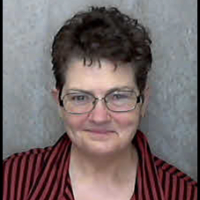
Tiffany Dunnells
LPC
Warm, practical therapy for life’s hard moments
- Stress, Anxiety
- Trauma and abuse
- Anger
Texas 10 years in practice

New York 26 years in practice

Dedra McIntosh
LCSW
Emotion-focused care for everyday struggles
- Stress, Anxiety
- Relationship
- Trauma and abuse
Florida 3 years in practice

Heather Friend
LCSW, CSW
Warm, practical therapy for emotional clarity
- Stress, Anxiety
- Relationship
- Trauma and abuse
Colorado 8 years in practice

Sukvinder Grewal
NCPS
Compassionate help for emotional and relationship challenges
- Stress, Anxiety
- Relationship
- Family
8 years in practice

Illinois 25 years in practice

Texas 9 years in practice

Lorelle Busby
BACP
Calm, practical support for emotional struggles
- Stress, Anxiety
- Trauma and abuse
- Self esteem
5 years in practice

Sidonia Stiles
BACP
Experienced person-centred counsellor for emotional and relationship issues
- Stress, Anxiety
- Relationship
- Grief
27 years in practice

Andrew Merz
BACP
Calm, emotion-focused counselling for life challenges
- Stress, Anxiety
- Grief
- Self esteem
5 years in practice

Savithri (Savi) Jayaweera
NCPS
Compassionate integrative counsellor with wide cultural experience
- Stress, Anxiety
- Relationship
- Trauma and abuse
16 years in practice

Cora Benedict
LMFT
Calm guidance to understand and change emotions
- Stress, Anxiety
- Trauma and abuse
- Grief
Alaska 15 years in practice

Marianne Costales-Roman
LCSW
Trusted LCSW for emotional and relationship challenges
- Stress, Anxiety
- LGBT
- Parenting
Illinois 27 years in practice

Cornelia Williams
LPC
Compassionate counselor who focuses on emotional connection
- Stress, Anxiety
- Addictions
- Relationship
Georgia 7 years in practice

Joel Brooks
LCSW
Compassionate, experienced therapist for life transitions
- Stress, Anxiety
- Addictions
- Relationship
Florida 42 years in practice

Mary Griffith
LPC
Compassionate counselor for life transitions and emotion work
- Stress, Anxiety
- Relationship
- Family
Mississippi 15 years in practice

Kelley Sullivan
LCSW
Compassionate therapy for emotional and relational challenges
- Stress, Anxiety
- Relationship
- Trauma and abuse
Texas 19 years in practice

Elizabeth Carter
LMHC
Compassionate, practical support for emotional change
- Stress, Anxiety
- Trauma and abuse
- Parenting
Florida 32 years in practice

Dr. Douglass Lobo
LMHC
Practical, emotion-focused therapy for adults
- Stress, Anxiety
- Family
- Trauma and abuse
Florida 30 years in practice

Jacqueline Dougherty
LMHC
Compassionate therapist focused on emotional healing
- Stress, Anxiety
- Trauma and abuse
- Grief
Florida 6 years in practice

Cornelius "Corey" Human
PACFA
Calm, practical therapy for emotional and relationship issues
- Stress, Anxiety
- Relationship
- Parenting
18 years in practice

Shannon Mott
LCSW
Compassionate, practical therapy for life challenges
- Stress, Anxiety
- Relationship
- Family
Louisiana 9 years in practice

Oklahoma 25 years in practice

Magdelena "Maggie" Rasheva-Malul
BACP
Compassionate counsellor for emotional clarity
- Stress, Anxiety
- Relationship
- Trauma and abuse
5 years in practice

Oklahoma 9 years in practice

Dr. Sharon Belhamel
LMFT
Compassionate therapy for life’s hard transitions
- Stress, Anxiety
- Relationship
- Career
Georgia 20 years in practice

William Signey
BACP
Calm, emotion-focused counselling for everyday struggles
- Stress, Anxiety
- Trauma and abuse
- Grief
6 years in practice

Texas 12 years in practice

Mississippi 36 years in practice

Lindsey Thorp
LCSW
Compassionate, emotion-focused support for life changes
- Stress, Anxiety
- Trauma and abuse
- Self esteem
Florida 6 years in practice

Felicia Cameron
BACP
Calm, practical support for emotional change
- Stress, Anxiety
- Addictions
- Relationship
12 years in practice

Rachael Figueroa
LCSW
Compassionate, emotion-focused therapy for real life
- Stress, Anxiety
- Grief
- Anger
New York 25 years in practice

Sunah Akhtar
BACP
Compassionate, practical therapy for everyday struggles
- Stress, Anxiety
- Relationship
- Family
9 years in practice

Paul Moffett
LPC
Experienced counselor focused on emotions and change
- Stress, Anxiety
- Addictions
- Relationship
Alabama 35 years in practice

4 years in practice

Ruth Vanden Bosch
LPC
Compassionate counselor blending emotional and practical work
- Stress, Anxiety
- LGBT
- Relationship
Michigan 25 years in practice

(Maria) Asuncion Fernandez Hemoso
BACP
Warm, practical counselling focused on feelings and change
- Stress, Anxiety
- Addictions
- Trauma and abuse
14 years in practice

Lucia Stanfield
LMHC
Compassionate counselor for complex emotions
- Addictions
- Relationship
- Trauma and abuse
Florida 20 years in practice

James Joseph Beaulieu
LPC
A steady, practical counselor for emotional change
- Addictions
- Relationship
- Family
Pennsylvania 28 years in practice

Holly Bankston
LPC
Compassionate counselor for practical change
- Stress, Anxiety
- Relationship
- Self esteem
Texas 17 years in practice

Dr. Wanetta "Nita" Hughes Bise
LPC
Steady, practical counseling in Colorado
- Relationship
- Trauma and abuse
- Parenting
Colorado 17 years in practice

Lisa Butrymowicz
LCSW
Practical, emotion-focused therapy for stress and mood
- Stress, Anxiety
- Relationship
- Trauma and abuse
Florida 23 years in practice

Some links on this page are partner links. We will earn a commission if you sign up through one, at no cost to you. It does not change what you pay or the order of the listings.
Understanding adoption and its emotional impact
Adoption is a legal and emotional process that creates families in many different ways. For some people adoption includes planned infant placement, for others it involves foster care reunification or later-in-life placement. You may be an adoptee navigating questions of identity, a parent learning to parent an older child with prior losses, a birth parent processing grief, or a family dealing with cross-cultural or transracial dynamics. Each of these experiences can bring complex emotions that unfold over time rather than ending once the adoption paperwork is final.
Common threads include feelings of loss and longing, curiosity about biological origins, and challenges around attachment and trust. Adoption can also prompt resilience, gratitude and renewed purpose, but those positive outcomes often coexist with pain. You might find that certain events - a birthday, a school unit on families, or a reunion search - trigger strong emotions that seem out of proportion to the moment. Therapy can provide a space to explore how adoption shaped your sense of self, your family relationships and your emotional patterns so you can make intentional choices about how to move forward.
Signs that you might benefit from therapy for adoption
You might consider seeking therapy when adoption-related feelings interfere with daily life, relationships or parenting. If you are an adoptee, you may notice persistent identity questions, repeated feelings of abandonment, difficulty forming close relationships, or a pattern of avoiding conversations about adoption. If you are an adoptive parent, you might struggle with behavioral challenges that feel linked to prior trauma, worry about bonding, experience guilt about decisions made during adoption, or feel overwhelmed by the additional tasks of supporting a child who has experienced separation.
Other signs include recurring intrusive thoughts about the past, difficulty connecting to a sense of belonging, or a desire to search for biological family that raises intense anxiety. You may want therapeutic support if you are preparing for a reunion, navigating a relationship with a birth parent, or trying to parent a child who resists attachment. Therapy can also help when adoption intersects with other life issues such as depression, anxiety, or substance use, offering tailored approaches that acknowledge the adoption context rather than treating it as unrelated background information.
What to expect in adoption-focused therapy sessions
When you begin adoption-focused work, initial sessions typically involve gathering your history and understanding how adoption shows up in your life now. Your therapist will ask about the circumstances of placement, relationships with family members, cultural and racial identity concerns, and any major transitions like reunions or moves. This assessment helps identify immediate needs such as managing strong emotions, developing parenting strategies, or stabilizing relationships, and it informs a collaborative plan for ongoing work.
Therapy sessions often prioritize building a trusting, consistent relationship so you can approach difficult memories or feelings without feeling overwhelmed. You may engage in narrative work to reframe adoption stories, interpersonal work to repair or strengthen relationships, or skills-based work to regulate emotions and manage triggers. Family sessions can offer a space for parents and children to practice new ways of connecting, while individual sessions may focus more deeply on identity, loss or trauma-related symptoms. Many people appreciate that therapy offers both a place to process the past and a practical toolkit for living well in the present.
Common therapeutic approaches used for adoption work
Therapists working with adoption issues draw from a range of approaches depending on the goals of the individual or family. Some therapists emphasize attachment-based methods that look at patterns of relating and ways to strengthen stable bonds. Others describe narrative approaches that help you organize and make meaning of adoption stories, giving language to complex feelings and creating a coherent personal narrative.
You will also find therapists who list trauma-informed care among their approaches, which focuses on safety, pacing, and understanding how early disruptions can shape emotional and behavioral responses. Cognitive-behavioral strategies are commonly used to address mood symptoms, anxiety and unhelpful thinking patterns that interfere with functioning. For people exploring the emotional impact of searching or reunion, experiential methods and life-story work can be especially helpful. If you are parenting a child from care, some therapists describe using family systems perspectives to support overall family functioning while others note practical parenting interventions to help with behaviors linked to early adversity. When reviewing profiles, look for therapists who describe approaches that resonate with your situation and who explicitly mention adoption-related topics among their focus areas.
How online therapy works for adoption and choosing the right therapist
What online adoption therapy looks like
Online therapy for adoption uses video, phone, or text-based formats to connect you with clinicians who list adoption among their specialties. Sessions by video allow you to meet from home while keeping the same structure as an in-person visit: regular session times, a therapeutic relationship, and work that addresses identity, attachment or parenting concerns. Many people find online sessions convenient when locating a therapist with adoption experience requires searching beyond their immediate geographic area, or when family members live in different places and want to attend sessions together.
Video calls typically include the same conversational and therapeutic techniques used in person, and therapists often adapt materials and activities for an online setting. If you plan to include children in sessions, therapists can suggest ways to make video time engaging and developmentally appropriate. Messaging and brief check-ins between sessions may be offered by some clinicians as a way to maintain continuity, but communication practices vary so you can review these details in a profile or during an initial conversation.
Practical tips for choosing the right therapist
Choosing a therapist is a personal process that benefits from a clear sense of what you need. Start by identifying whether you are seeking help for an adoptee's identity questions, parenting support, search and reunion work, grief processing, or family systems challenges. Look for therapists who explicitly list adoption or related topics among their specialties and who describe approaches that match your priorities.
Consider cultural competence and language match when those factors matter to you. For transracial or international adoptions, you may want a therapist who mentions cross-cultural or racial identity work. Read profiles to see whether a clinician notes experience with reunions, school advocacy, or working with adopted adults. You can also pay attention to the therapist's described orientation - for example, those who list narrative work, attachment-focused approaches, trauma-informed care, or cognitive-behavioral strategies - and imagine which one would feel most useful for your story. When you contact a therapist, prepare specific questions about their experience with adoption-related concerns, how they structure family versus individual sessions, and how they support transitions like reunions or school challenges. These conversations can help you determine whether a therapist's approach and communication style feel like a good fit for you and your family.
Finding therapeutic support for adoption-related issues is often a process of matching your needs with a clinician's focus and approach. Whether you're exploring identity, working through loss, managing parenting challenges, or preparing for a reunion, there are therapists who describe adoption among their specialties and adapt therapeutic tools to the adoption context. Taking time to read profiles and reflect on the type of help you want will increase the likelihood that you connect with someone who can support your goals in a respectful and informed way.
Keep exploring
Related concerns
Ways of working