Florida 7 years in practice
Clinical social work directory
Therapists who work with First Responder Issues
1,211 therapists list first responder issues among the things they work with. All offer sessions online, and every profile shows the registering body, the membership number and when it runs to.
This page features therapists who note first responder issues among their specialty areas, offering approaches for stress, trauma, burnout and grief common to emergency professions. Browse the listings below to review clinicians' focus areas, approaches, credentials and languages.

Victoria Small
BACP
Emotion-focused, practical therapy for life challenges
- Stress, Anxiety
- Family
- Trauma and abuse
10 years in practice

Julie Elliott
MD, LCSW-C, LCSW
Compassionate clinician with long-term practical experience
- Stress, Anxiety
- Relationship
- Family
Texas 35 years in practice
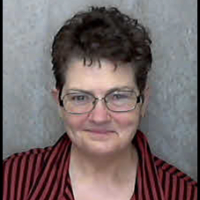
Tiffany Dunnells
LPC
Warm, practical therapy for life’s hard moments
- Stress, Anxiety
- Trauma and abuse
- Anger
Texas 10 years in practice

Dedra McIntosh
LCSW
Emotion-focused care for everyday struggles
- Stress, Anxiety
- Relationship
- Trauma and abuse
Florida 3 years in practice

Heather Friend
LCSW, CSW
Warm, practical therapy for emotional clarity
- Stress, Anxiety
- Relationship
- Trauma and abuse
Colorado 8 years in practice

Andrew Merz
BACP
Calm, emotion-focused counselling for life challenges
- Stress, Anxiety
- Grief
- Self esteem
5 years in practice

Savithri (Savi) Jayaweera
NCPS
Compassionate integrative counsellor with wide cultural experience
- Stress, Anxiety
- Relationship
- Trauma and abuse
16 years in practice

Mary Griffith
LPC
Compassionate counselor for life transitions and emotion work
- Stress, Anxiety
- Relationship
- Family
Mississippi 15 years in practice

Kelley Sullivan
LCSW
Compassionate therapy for emotional and relational challenges
- Stress, Anxiety
- Relationship
- Trauma and abuse
Texas 19 years in practice

Elizabeth Carter
LMHC
Compassionate, practical support for emotional change
- Stress, Anxiety
- Trauma and abuse
- Parenting
Florida 32 years in practice

Jacqueline Dougherty
LMHC
Compassionate therapist focused on emotional healing
- Stress, Anxiety
- Trauma and abuse
- Grief
Florida 6 years in practice

Cornelius "Corey" Human
PACFA
Calm, practical therapy for emotional and relationship issues
- Stress, Anxiety
- Relationship
- Parenting
18 years in practice

Prossy Nabweteme
BACP
Collaborative counselling for relationships and life changes
- Relationship
- Family
- Grief
12 years in practice

Shannon Mott
LCSW
Compassionate, practical therapy for life challenges
- Stress, Anxiety
- Relationship
- Family
Louisiana 9 years in practice

Richard Reihing
LPCC
Compassionate counselor focusing on emotional connection
- Trauma and abuse
- Self esteem
- Depression
Ohio 14 years in practice

Oklahoma 25 years in practice

Oklahoma 9 years in practice

George Vega
LMHC
Compassionate counselor helping people move forward
- Stress, Anxiety
- Addictions
- Relationship
Florida 11 years in practice

Dr. Sharon Belhamel
LMFT
Compassionate therapy for life’s hard transitions
- Stress, Anxiety
- Relationship
- Career
Georgia 20 years in practice

Felicia Cameron
BACP
Calm, practical support for emotional change
- Stress, Anxiety
- Addictions
- Relationship
12 years in practice

Rachael Figueroa
LCSW
Compassionate, emotion-focused therapy for real life
- Stress, Anxiety
- Grief
- Anger
New York 25 years in practice

Sunah Akhtar
BACP
Compassionate, practical therapy for everyday struggles
- Stress, Anxiety
- Relationship
- Family
9 years in practice

Dawn Maria Spradley
LPC
Compassionate therapist focused on emotional healing
- Stress, Anxiety
- Addictions
- Relationship
Texas 5 years in practice

Lennox(Lenny) Roberts-Flanders
BACP
Calm support for stress and life change
- Stress, Anxiety
- Self esteem
- Depression
6 years in practice

Shatonya Craddock
LCSW
Practical support for strong emotional healing
- Stress, Anxiety
- Relationship
- Trauma and abuse
Texas 11 years in practice

Ruth Vanden Bosch
LPC
Compassionate counselor blending emotional and practical work
- Stress, Anxiety
- LGBT
- Relationship
Michigan 25 years in practice

Mylane Wigley
LPC
Experienced counselor blending skills and connection
- Stress, Anxiety
- Relationship
- Family
Alabama 30 years in practice

(Maria) Asuncion Fernandez Hemoso
BACP
Warm, practical counselling focused on feelings and change
- Stress, Anxiety
- Addictions
- Trauma and abuse
14 years in practice

Virginia Hagen
LMHC
Compassionate, practical therapy for everyday struggles
- Stress, Anxiety
- Family
- Grief
Florida 35 years in practice

Lucia Stanfield
LMHC
Compassionate counselor for complex emotions
- Addictions
- Relationship
- Trauma and abuse
Florida 20 years in practice

Viviana Urgiles
LCSW
Trauma-informed support with practical strategies
- Stress, Anxiety
- Relationship
- Trauma and abuse
New York 15 years in practice

James Joseph Beaulieu
LPC
A steady, practical counselor for emotional change
- Addictions
- Relationship
- Family
Pennsylvania 28 years in practice

Holly Bankston
LPC
Compassionate counselor for practical change
- Stress, Anxiety
- Relationship
- Self esteem
Texas 17 years in practice

Dr. Wanetta "Nita" Hughes Bise
LPC
Steady, practical counseling in Colorado
- Relationship
- Trauma and abuse
- Parenting
Colorado 17 years in practice

12 years in practice

Shaun Underwood
BACP
Supportive counsellor for emotional and life challenges
- Stress, Anxiety
- Anger
- Self esteem
4 years in practice

Lisa Butrymowicz
LCSW
Practical, emotion-focused therapy for stress and mood
- Stress, Anxiety
- Relationship
- Trauma and abuse
Florida 23 years in practice

Kingsley Boateng
BACP, NCPS
Warm, collaborative counselling for life changes
- Stress, Anxiety
- LGBT
- Relationship
7 years in practice

Prof. Craig Hutton
LCSW
Compassionate, practical therapy for real life
- Stress, Anxiety
- Relationship
- Trauma and abuse
New Mexico 4 years in practice

Valerie Monteiro
ACA
Healing emotions, strengthening connection
- Stress, Anxiety
- Relationship
- Trauma and abuse
21 years in practice

Elaine Messarra
LPC
Calm, experienced counselor for adult concerns
- Stress, Anxiety
- Relationship
- Trauma and abuse
Texas 26 years in practice

Yoonhee Kang
LMFT
Restful guidance for relationship and mood struggles
- Stress, Anxiety
- Addictions
- Relationship
Oklahoma 7 years in practice

Lena Longmire Lyons
LMHC
Experienced Florida LMHC focused on emotions
- Stress, Anxiety
- Bipolar
- Depression
Florida 15 years in practice

Christopher Denzler
LMHC
Healing relationships through emotion and skill
- Stress, Anxiety
- Addictions
- Family
Indiana 8 years in practice

Pamela Muvezwa
ACA
Restorative, values-led counselling for life change
- Addictions
- Relationship
- Trauma and abuse
16 years in practice

Missouri 27 years in practice

Penelope Surber
LMHC
Compassionate trauma-informed adult therapist
- Stress, Anxiety
- Addictions
- Trauma and abuse
Florida 8 years in practice

Some links on this page are partner links. We will earn a commission if you sign up through one, at no cost to you. It does not change what you pay or the order of the listings.
Understanding first responder issues and how they affect you
If you work in an emergency or public safety role, you may encounter events and pressures that affect your emotional and physical well-being over time. First responder issues refers to the range of stress reactions, work-related trauma responses, moral injury, burnout and relationship strain that people in these roles commonly report. These effects do not always look like a single diagnosis. Instead you might notice recurring worry, sleep disruption, changes in mood, heightened startle responses, or a shifting sense of meaning around your work. The cumulative impact of repeated exposure to crisis and loss can influence how you process emotions, how you show up at home and at work, and how you think about risk and safety.
You are not expected to handle these responses on your own, and therapy can be a space to untangle what is connected to work experience and what comes from other parts of your life. Many people in emergency services find that targeted therapeutic work helps them regain a clearer sense of personal goals, restore relationships, and develop practices that reduce the toll of chronic stress. This section explains the typical patterns people notice, so you can decide whether reaching out to a clinician who lists first responder support among their approaches might be helpful for you.
Signs that you might benefit from therapy for first responder issues
Changes in mood, behavior and functioning
You may start to sense that your reactions feel stronger or longer-lasting than they used to. Persistent irritability, numbness, difficulty enjoying activities you once liked, or trouble concentrating can be early indicators that stress is affecting daily life. If you find yourself avoiding people or places that remind you of work incidents, or if you notice a pattern of withdrawing from friends and family, those are important signals that targeted support could help. It is also common for physical symptoms like headaches, muscle tension or stomach upset to accompany emotional distress.
Work-related patterns and moral strain
If you are replaying events in your mind, feeling guilt or moral conflict about decisions made under pressure, or experiencing shame related to outcomes you did not control, therapy can provide a neutral place to make sense of those experiences. You might be questioning career choices, feeling disconnected from colleagues, or noticing that professional stress spills over into parenting or relationships. These changes can build slowly, and seeking help early often prevents problems from becoming more entrenched.
What to expect in therapy focused on first responder issues
Early sessions and goal setting
Initial sessions are usually about creating a clear plan for what you want to address. You and the clinician will talk about the specific stresses you face, your personal history, and practical concerns like scheduling and communication preferences. Many clinicians who list first responder work as a focus will take time to understand your occupational culture and the types of incidents that are most relevant to you. This groundwork helps set realistic goals for symptom reduction, emotional regulation and daily functioning.
Ongoing structure and pacing
Therapy for first responder issues often balances skills practice, narrative processing, and attention to bodily reactions. Sessions can include learning coping strategies for anxiety and sleep, practicing tools to manage intense emotional moments, and exploring the meaning of work-related experiences. Pace matters - you may move quickly through practical skill-building at times and spend longer periods processing difficult memories at other times. A clinician can help you decide when to focus on immediate coping and when to dig deeper into unresolved material.
Common therapeutic approaches used for first responder issues
Therapists who list first responder support among their approaches bring a variety of orientations to the work. Cognitive-behavioral approaches are often used to address patterns of thinking and behavior that maintain anxiety or avoidance. Therapists who list exposure-based techniques among their approaches may help you gradually face distressing memories or cues in a controlled way. Some clinicians include somatic-oriented approaches that pay attention to how stress is held in the body, using techniques that support regulation of the nervous system. You may also find therapists who list narrative, psychodynamic, or interpersonal approaches that focus on relationships, meaning-making and the broader context of your life.
Therapists who list EMDR among their approaches may offer methods aimed at processing disturbing memories, while those who include acceptance and commitment approaches might emphasize values-based living and flexible responding. Because the directory data records only approaches that clinicians report using, you can expect variation in how those approaches are applied. During an initial conversation you can ask a clinician how they typically work with people who have first responder experiences, which will give you a clearer sense of whether their style and methods align with what you hope to accomplish.
How online therapy works for first responder issues
Formats and practical considerations
Online therapy is commonly offered through live video sessions, phone calls, or text-based messaging. For many first responders, online formats make it easier to fit sessions around shift work and deployments. You can conduct sessions from home, a vehicle between shifts, or another location that feels comfortable, so long as you have a personal place to talk. Technology requirements are minimal - a device with a camera and a reliable internet connection is usually sufficient. If connectivity is a concern, many clinicians offer phone-based sessions as an alternative.
Clinical fit and continuity
Effective online therapy depends on a good match between you and the clinician. Communication about expectations is important - you may want to discuss how to handle crisis situations, what to do if a session is interrupted, and how the clinician documents sessions. Online therapy can support continuity of care when you relocate or change shifts. It also allows you to seek clinicians who specifically list first responder experience among their approaches even if those clinicians are not locally based. Many people find that the convenience of remote sessions helps them maintain a regular schedule of care, which supports steady progress.
Tips for choosing the right therapist for first responder issues
Look for clinical focus and approach alignment
Start by identifying what matters most to you in therapy. You may prioritize someone who lists a trauma-informed approach, someone who emphasizes regulation skills, or someone who includes family or couple work as part of treatment. Because directory entries record approaches clinicians use rather than verified training, look for descriptions that explain how they work with first responder stress and what types of goals they support. Reading profiles for stated focus areas, credentials and languages can help you narrow options to clinicians who appear to align with your preferences.
Consider practical and relational fit
Think about practical factors that affect engagement. You may prefer a clinician who mentions experience with shift work, understands occupational culture, or notes comfort discussing incidents common to emergency roles. Consider whether you want someone who emphasizes skills-based work, longer-term processing, or a mixture of both. The therapeutic relationship itself is central - you should feel heard and respected. Many people try one or two sessions to assess rapport and the clinician's approach to goal-setting and pacing. Asking about session length, communication style and how progress is measured can give you useful information to guide your decision.
Choosing a therapist is a personal process and it is reasonable to take time to find a clinician who matches your needs. Whether you pursue online sessions or meet in person, the right fit often comes from clear communication about goals and a mutual sense that the work will be constructive. If you are struggling with intense reactions, relationship strain or persistent stress related to first responder work, reaching out to a clinician who lists first responder support among their approaches can be a practical step toward relief and renewed balance in your life.
Keep exploring
Related concerns
Ways of working