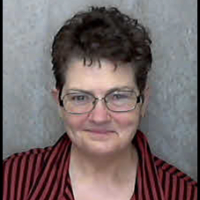
Margaret Couch
LCSW
Compassionate therapist focused on practical change
- Stress, Anxiety
- Parenting
- Bipolar
Illinois 41 years in practice
Clinical social work directory
1,739 therapists list domestic violence among the things they work with. All offer sessions online, and every profile shows the registering body, the membership number and when it runs to.
Find therapists who list domestic violence among their specialties, including clinicians offering trauma-informed support and safety planning. Browse the listings below to review profiles by approach, credential, language, and focus areas to help find a good match.
LCSW
Compassionate therapist focused on practical change
LPC
Compassionate, practical therapy focused on emotion and change
LPC
Compassionate emotional work with practical tools
BACP
Emotion-focused, practical therapy for life challenges
MD, LCSW-C, LCSW
Compassionate clinician with long-term practical experience
LPC
Warm, practical therapy for life’s hard moments
LCSW
Emotion-focused care for everyday struggles
LCSW, CSW
Warm, practical therapy for emotional clarity
AASW
Sensitive, practical support for emotional healing
NCPS
Compassionate help for emotional and relationship challenges
LPC
Therapist focused on emotion and recovery
BACP
Compassionate counsellor helping people find purpose
LMFT
Experienced therapist focused on relationships and emotion
BACP
Experienced person-centred counsellor for emotional and relationship issues
BACP
Calm, emotion-focused counselling for life challenges
NCPS
Compassionate integrative counsellor with wide cultural experience
LMHC
Compassionate counselor for practical change
LCSW
Compassionate, experienced therapist for life transitions
LPC
Compassionate counselor for life transitions and emotion work
LCSW
Compassionate therapy for emotional and relational challenges
LCSW
Compassionate guidance for emotional healing
LMHC
Compassionate, practical support for emotional change
LMHC
Compassionate therapist focused on emotional healing
PACFA
Calm, practical therapy for emotional and relationship issues
BACP
Collaborative counselling for relationships and life changes
BACP, NCPS
Calm, practical counselling for real-life struggles
LCSW
Compassionate, practical therapy for life challenges
BACP
Compassionate counsellor for emotional clarity
LPC
Practical, emotion-focused counseling for life challenges
LMHC
Compassionate counselor helping people move forward
LPC
Practical support for emotional and relationship struggles
LMFT
Compassionate therapy for life’s hard transitions
NCPS
Gentle, practical support for overwhelmed adults
LCSW
Compassionate, emotion-focused support for life changes
LCSW
Supportive LCSW guiding practical emotional change
BACP
Calm, practical support for emotional change
ACA
Compassionate counsellor for relationships and trauma
LCSW
Compassionate, emotion-focused therapy for real life
Some links on this page are partner links. We will earn a commission if you sign up through one, at no cost to you. It does not change what you pay or the order of the listings.
Domestic violence is a pattern of behaviors used by one person to exert power and control over another in intimate or family relationships. It can include physical harm, threats, emotional abuse, financial controlling behaviors, stalking, sexual coercion, and other tactics that make you feel less safe or free to make choices. The impact of these experiences can be wide-ranging. You may find that daily routines, work, friendships, and parenting are affected, and that past or ongoing incidents influence how you think, feel, and respond to stress.
The effects of domestic violence are not limited to visible injuries. Emotional and psychological effects can show up as persistent worry, hypervigilance, trouble sleeping, difficulty trusting others, or a sense of numbness. People often experience shame or self-blame even when the responsibility lies with the person who used harm. Children who witness patterns of coercion or violence can also be affected in ways that shape their behavior and relationships. Recognizing the many forms domestic violence can take is an important first step toward getting the right kind of support for your circumstances.
If you notice patterns in your life that make it harder to feel safe, grounded, or able to make choices, therapy may help you explore options and build coping strategies. That might include persistent fear of a partner, sudden changes in mood or functioning after conflicts, repeated attempts to explain or minimize another person’s behavior, or isolation from friends and family. You might also be dealing with symptoms like intrusive memories, panic, or avoidance that interfere with everyday life. These are common responses to prolonged stress or harm in relationships.
Some people who use harmful behaviors toward partners also seek therapy to understand and change those patterns. If you find yourself repeatedly resorting to controlling actions, anger that you cannot manage, or behaviors that escalate conflict, a clinician can help you examine underlying triggers and learn alternatives. Whether you are seeking help as a survivor or as someone who wants to stop causing harm, therapy can provide a structured space to reflect on patterns, set goals, and practice new ways of relating.
When safety is an immediate concern, connecting with crisis resources in your area should be a priority. If you are in imminent danger, contact local emergency services or a local crisis hotline. A therapist can work with you on safety planning and resources while also addressing emotional and relational impacts over time.
Therapy for domestic violence often begins with an assessment of your current situation, needs, and goals. Your clinician will usually ask about what has happened, how it affects you now, and what you hope to get from therapy. You and the therapist will discuss practical concerns such as information-sharing boundaries limits, session format, and the pace that feels manageable. Sessions can involve talking through recent events, exploring emotions and beliefs that arise from the relationship, and developing concrete strategies to manage triggers and stress.
Therapy may include work on coping skills for anxiety and emotional regulation, techniques for rebuilding safety and routine, and support in navigating decisions about relationships. If you are a parent or caregiver, clinicians often address how to protect and support children and how to manage co-parenting questions when relationships are strained. When you are considering separation or legal steps, a therapist can help you prepare emotionally and connect you to community resources that handle logistics and advocacy. Over time you can expect to practice new ways of responding to conflict, strengthen personal boundaries, and clarify values that guide future decisions.
There is no single approach that fits every person, and clinicians often combine elements from different models to match your needs. You may find therapists who list cognitive-behavioral approaches among their methods, which focus on identifying patterns of thought and behavior that sustain distress and teaching practical skills to change them. Some clinicians describe somatic or body-focused work that helps you reconnect with physical sensations and regulate nervous system responses that arise after trauma.
Other therapists list trauma-focused approaches among their approaches, which aim to help you process distressing memories and reduce the intensity of upsetting reactions. You may see clinicians who include family-systems perspectives that explore how patterns of interaction within a relationship or family influence behavior. Exposure-based strategies, when used carefully, can help reduce avoidance and embarrassment that block recovery. If you encounter references to EMDR in profiles, note that some therapists list EMDR among their approaches and frame it as one option for processing traumatic memories. It is reasonable to ask a clinician how they adapt any approach to the realities of ongoing safety concerns and to the cultural, economic, and identity factors that shape your experience.
Therapists also frequently combine skills-based work on stress management with psychoeducation about power, control, and relational dynamics. This combination can help you make sense of what happened and develop practical steps for self-care and planning. Remember that how an approach is described in a profile does not guarantee specific training, so focus on whether the therapist’s described focus areas and style feel like a good fit for you.
Online therapy can be an accessible option if you need flexibility in scheduling, have limited local resources, or prefer to meet with clinicians beyond your immediate area. When you choose remote sessions, you will typically connect via video or phone and work through many of the same issues you would in person. You can expect to discuss safety planning adapted for remote work, such as identifying a personal place to talk, establishing signals if a session needs to end quickly, and developing plans for reaching help if you feel threatened during or after a session. Because privacy in your environment may vary, you should plan a place where interruptions are minimal and communicate any concerns with your therapist before beginning sensitive work.
When selecting a therapist for domestic violence work, consider a few practical factors that affect fit. Look at the clinician’s listed focus areas and approaches to see whether they mention trauma, intimate partner dynamics, or family safety. Pay attention to credentials and licenses to understand the clinician’s general professional background, and note languages spoken if that matters for your comfort. Read profile descriptions to get a sense of tone - some therapists emphasize practical skills and safety planning while others highlight processing past harm and rebuilding relationships. It can be helpful to prioritize therapists who explicitly state experience working with your identity group or cultural background when that matters to you.
Trust your instincts about how a clinician communicates in their profile and in initial messages. You may want to ask about how they handle active risk, what steps they take for safety planning, and how they adapt therapeutic methods when someone is in an ongoing relationship marked by control or abuse. It is reasonable to discuss logistical questions such as session length, general approach to goal-setting, and how progress is reviewed. Choosing a therapist is a personal decision, and taking time to review profiles and reflect on what matters most to you can improve the chances of finding someone whose style supports your priorities.
Remember that reaching out for help is a step toward reclaiming agency in your life. Whether you are exploring options after a recent incident, building longer-term strategies for recovery, or seeking help to change harmful behaviors, therapy can be a space to clarify choices and develop practical skills. Use the listings on this page to learn more about clinicians’ focus areas, approaches, languages, and professional credentials so you can make an informed decision about who might be a good fit for your journey.