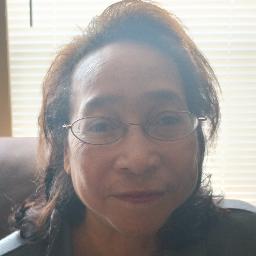
Ranka Smith
BACP
Experienced counsellor focused on emotional connection
- Stress, Anxiety
- Relationship
- Self esteem
26 years in practice
Clinical social work directory
1,969 therapists list family of origin issues among the things they work with. All offer sessions online, and every profile shows the registering body, the membership number and when it runs to.
Find therapists who focus on family of origin issues and learn how they describe their work, approaches, languages, and credentials. Browse the listings below to review therapist profiles and learn about different ways to address family-related patterns.
BACP
Experienced counsellor focused on emotional connection
LCSW
Compassionate therapist focused on practical change
BACP
Understanding emotions to guide practical change
LPC
Compassionate, practical therapy focused on emotion and change
MD, LCSW-C, LCSW
Compassionate clinician with long-term practical experience
BACP
Experienced relational counsellor for adults
BACP
Compassionate counsellor for relationship and identity concerns
LCSW
Emotion-focused care for everyday struggles
LCSW, CSW
Warm, practical therapy for emotional clarity
NCPS
Compassionate help for emotional and relationship challenges
BACP
Compassionate counsellor helping people find purpose
BACP
Compassionate counsellor for emotional healing
LMFT
Experienced therapist focused on relationships and emotion
LPCC, LPC
Compassionate counselor focused on relationship repair
BACP
Experienced counsellor focused on emotions and relationships
BACP
Experienced person-centred counsellor for emotional and relationship issues
BACP
Calm, emotion-focused counselling for life challenges
NCPS
Compassionate integrative counsellor with wide cultural experience
LMFT
Calm guidance to understand and change emotions
LCSW
Trusted LCSW for emotional and relationship challenges
LCSW
Compassionate, experienced therapist for life transitions
LCMHC
Compassionate therapist for life's hard moments
LPC
Compassionate counselor for life transitions and emotion work
LCSW
Compassionate therapy for emotional and relational challenges
LMHC
Compassionate, practical support for emotional change
LMHC
Compassionate therapist focused on emotional healing
PACFA
Calm, practical therapy for emotional and relationship issues
BACP
Collaborative counselling for relationships and life changes
BACP, NCPS
Calm, practical counselling for real-life struggles
LCSW
Compassionate, practical therapy for life challenges
LMHC
Practical support for emotional healing and change
BACP
Compassionate counsellor for emotional clarity
LMFT
Compassionate therapy for life’s hard transitions
LMFT
Emotion-focused, practical therapy for change
BACP
Calm, practical support for emotional change
LCSW
Compassionate, emotion-focused therapy for real life
BACP, NCPS
Compassionate practical counselling for life challenges
Some links on this page are partner links. We will earn a commission if you sign up through one, at no cost to you. It does not change what you pay or the order of the listings.
Family of origin issues refer to the patterns, roles, beliefs, and relational habits that develop in the family where you grew up. These can include ways of expressing emotion, expectations about roles and responsibilities, patterns of communication, how conflict is resolved, and the stories families tell about themselves. Although these dimensions begin in childhood, they often continue to shape how you relate to partners, friends, colleagues, and your own children. You may find yourself repeating scenarios you observed as a child, adopting similar coping strategies, or responding with automatic emotions and defenses that feel difficult to change.
These early influences are not a single cause of your current difficulties, but they can create a consistent backdrop for recurring challenges. For some people the effects are subtle - an uneasy feeling when relationships grow close, or a persistent difficulty asserting boundaries. For others the patterns are more visible - repeating conflict cycles, chronic people-pleasing, or persistent trust issues. Understanding the family of origin context helps you see how learned habits interact with present-day circumstances, which can open the door to deliberate change in how you think, feel, and connect.
There are several indicators that exploring family of origin material in therapy could be useful. You might notice a pattern of similar conflicts appearing across different relationships, or consistent emotional reactions that feel out of proportion to what is happening now. If you find yourself taking on roles you grew up with - for example, rescuer, peacemaker, or caretaker - and those roles limit your choices or well-being, that pattern can be a focus for work. Difficulty setting and holding boundaries, recurring feelings of guilt or obligation, or chronic anxiety tied to family interactions are other signs that family history is shaping current life in meaningful ways.
You may also be sensing an internal conflict between how you want to respond and how you actually respond. Perhaps you want to be more open and vulnerable, but you shut down in close moments. Or you may want to step away from family dynamics but feel pulled back by tradition, expectations, or unresolved loyalties. When these patterns start to affect your relationships, career decisions, or sense of self, therapy that pays attention to family of origin issues can help you identify the origin of those patterns and experiment with new ways of being.
Therapy that focuses on family of origin issues typically starts with a careful exploration of your history and your current relationships. In early sessions you and your therapist will map out themes from your past that relate to present concerns. This may include exploring memories, family roles, repeated interactions, and early messages about emotion and worth. The goal in these first conversations is to build a clear picture of how early patterns show up now, and to prioritize what you want to change.
Expect assessment to feel conversational rather than formal. Your therapist will ask about relationships, family structure, and recurring situations that cause distress. You will work together to set goals, whether they are about reducing reactivity, improving boundaries, healing attachment ruptures, or changing communication patterns. Effective work is collaborative: you bring the lived experience and the therapist brings ways of reflecting on it.
After goals are set, sessions often combine reflection with concrete skill-building. Therapists may encourage you to try new behaviors in relationships and bring your reactions back to sessions for exploration. You may practice boundary-setting language, role-play difficult conversations, or track emotional patterns between sessions. The pace depends on your needs and readiness; some people move steadily toward change while others need more time to feel safe with new responses.
A range of therapeutic approaches can be applied to family of origin concerns, and therapists often combine ideas to suit your needs. Attachment-informed work pays attention to how early caregiving shaped your expectations and emotional strategies, helping you notice patterns in closeness and separation. Family systems approaches examine interlocking roles and relational rules that persist across generations, and they can be useful for understanding where patterns came from and how they are maintained.
Some therapists emphasize emotion-focused methods that help you identify, tolerate, and express feelings that were discouraged or invalidated in your family. Others work with narrative approaches to reframe the stories you inherited about yourself and your family. Cognitive-behavioral ideas can help you identify thought patterns that reinforce old roles and experiment with alternative behaviors. You may encounter therapists who list EMDR among their approaches for processing distressing memories, or therapists who list internal family systems among their approaches for working with internal parts and self-leadership. Because profile listings are a summary, you can read how an individual therapist describes their use of these approaches to see which matches your style.
Online therapy makes it possible to work on family of origin issues from wherever you are. Sessions typically take place via video or audio calls, and some therapists also use text-based messaging or phone conversations for check-ins. The format can support continuity when family dynamics or distance make in-person sessions difficult, and it can provide a way to practice new relational skills in the context of your everyday environment. If you have a strong emotional reaction during or after a session, your therapist will discuss strategies to manage those feelings and plan follow-up steps.
To get the most from online work, create a quiet, personal space where you can speak freely without interruptions. Think about how you will handle situations where family contact or notifications could intrude, and set boundaries around the session time so you can focus on the process. Many people find online therapy especially useful when family members live in different places, when schedules are demanding, or when mobility is limited. You can still engage in deep, reflective work through a screen, and therapists who specialize in family of origin issues often have experience adapting techniques for remote settings.
Choosing a therapist is a personal decision that depends on fit as much as credentials. Start by looking for therapists who explicitly mention family of origin issues, attachment work, family systems, or relational patterns in their profiles. Read how they describe their approach and consider whether the language feels like a match for your way of processing - some therapists emphasize emotion and experience, while others focus on patterns and practical skills. Pay attention to stated specialties, the approaches they list, languages spoken, and any notes about populations they commonly work with, such as adults, couples, or family members.
It can help to prepare questions ahead of time so you can learn about how a therapist would approach your specific concerns. You might ask about how they typically begin work on family patterns, what kinds of exercises they use between sessions, and how they track progress. You are also entitled to consider personal fit - whether you feel heard, respected, and able to explore difficult material. Reading several profiles and reaching out to ask clarifying questions can give you a sense of which therapists communicate in a way that feels compatible with your needs.
Finally, think about practical factors that affect your ability to engage. Session format, language, cultural background, and therapeutic style all influence the process. A therapist who describes attention to cultural or intergenerational context may be especially helpful if your family history involves migration, cultural expectations, or cross-cultural tensions. Look for descriptions that resonate with your story and invite a conversation that feels honest and curious about how your family of origin has shaped your life.
Working through family of origin issues is often a gradual process of understanding, experimentation, and repair. Whether you choose online sessions or in-person work, the right therapeutic relationship can help you see patterns more clearly, try different responses, and grow toward relationships that are more chosen than inherited. Use the listings above to explore profiles and approaches so you can find a therapist whose description aligns with the changes you want to make.