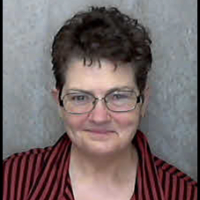
Ranka Smith
BACP
Experienced counsellor focused on emotional connection
- Stress, Anxiety
- Relationship
- Self esteem
26 years in practice
Clinical social work directory
2,022 therapists list infidelity among the things they work with. All offer sessions online, and every profile shows the registering body, the membership number and when it runs to.
This page lists therapists who specialize in infidelity and relationship betrayal. Browse profiles below to review therapists' focus areas, approaches, credentials and languages. Use the listings to identify professionals whose background and style match your needs.
BACP
Experienced counsellor focused on emotional connection
LCSW
Compassionate therapist focused on practical change
BACP
Understanding emotions to guide practical change
LPC
Compassionate, practical therapy focused on emotion and change
LCSW
Compassionate, goal-focused support for adults
LPC
Compassionate emotional work with practical tools
BACP
Emotion-focused, practical therapy for life challenges
MD, LCSW-C, LCSW
Compassionate clinician with long-term practical experience
BACP
Experienced relational counsellor for adults
LPC
Warm, practical therapy for life’s hard moments
LPC
Practical, emotion-focused counseling for real life
LCSW
Emotion-focused care for everyday struggles
LCSW, CSW
Warm, practical therapy for emotional clarity
AASW
Sensitive, practical support for emotional healing
NCPS
Compassionate help for emotional and relationship challenges
LCSW
Compassionate, steady support for emotional healing
LMFT
Experienced therapist focused on relationships and emotion
LCSW
Experienced LCSW focusing on emotion and healing
BACP
Experienced counsellor focused on emotions and relationships
BACP
Experienced person-centred counsellor for emotional and relationship issues
BACP
Calm, emotion-focused counselling for life challenges
LMHC
Calm, practical support for everyday challenges
NCPS
Compassionate integrative counsellor with wide cultural experience
LCSW
Trusted LCSW for emotional and relationship challenges
LPC
Compassionate counselor who focuses on emotional connection
BACP
Calm support for stress and relationships
LCSW
Compassionate, experienced therapist for life transitions
LCSW
Attachment-focused therapist for relationship and stress concerns
LPC
Compassionate counselor for life transitions and emotion work
LCSW
Compassionate therapy for emotional and relational challenges
LMHC
Compassionate, practical support for emotional change
PACFA
Calm, practical therapy for emotional and relationship issues
BACP
Collaborative counselling for relationships and life changes
LCSW
Compassionate, practical therapy for life challenges
LPCC
Compassionate counselor focusing on emotional connection
LMFT
Emotion-focused care with practical tools
LMHC
Practical support for emotional healing and change
BACP
Compassionate counsellor for emotional clarity
LMHC
Compassionate counselor helping people move forward
LPC
Practical support for emotional and relationship struggles
Some links on this page are partner links. We will earn a commission if you sign up through one, at no cost to you. It does not change what you pay or the order of the listings.
Infidelity can mean different things to different people. For some it is a physical sexual relationship outside the primary partnership. For others it includes emotional or online connections, secret spending, or patterns of deception. Whatever the specifics, breaches of trust often touch the basic assumptions you have about your partner and your relationship. That disruption can trigger a wide range of reactions - shock, anger, grief, shame, relief, or numbness. Those emotional responses are normal and do not reflect weakness; they reflect the loss of expectations you once had about reliability and mutual commitment.
The fallout from infidelity goes beyond individual feeling. You may notice disruptions in everyday routines, parenting roles, sexual intimacy, finances, and social networks. Friends and family can become aligned to different perspectives and that can amplify isolation. You might also experience physical symptoms such as sleep disturbance, appetite changes, or increased anxiety. Over time patterns of withdrawal, reactivity, or chronic mistrust can take hold, shaping how you relate to your partner and to other people. Therapy is not about assigning blame; it can be about understanding how the breach happened, how it affected you, and what steps you want to take next - whether that means repairing the relationship, redefining it, or separating with care.
You may be considering therapy if the event of infidelity continues to occupy your thoughts or interfere with daily functioning. If conversations about the incident consistently escalate into arguments, if you feel unable to trust or if you are avoiding intimacy, those are signs that external support could help. Therapy can be helpful when one or both partners report persistent emotional pain weeks or months after the discovery, when parenting or work responsibilities are affected, or when repeated cycles of disclosure and secrecy occur. You do not need to wait for a crisis to seek support; therapy can also be used proactively to build communication skills and set boundaries that may prevent future breaches.
Individuals who find themselves ruminating about what happened, replaying scenarios, or engaging in compulsive checking of messages may find patterns that are difficult to interrupt on their own. If you are feeling stuck trying to make sense of your values, identity, or the future of your relationship, a therapist can offer a structured space to explore those questions. For couples, therapy can provide guided time to slow down emotionally charged conversations, learn how to express needs without escalating conflict, and develop a shared plan for rebuilding or redefining the partnership.
When you start therapy for infidelity, the first sessions are often about assessment and safety. Your therapist will likely ask about the timeline of events, how the discovery occurred, each person’s perspective, and the practical effects on daily life. You and your partner, if you participate together, will be invited to describe what you want from therapy - whether that is to repair the relationship, to process grief, to explore separation, or to improve communication. Expect the pace to be tailored to how emotionally volatile conversations are, as some couples need time apart to process before joint sessions are productive.
Therapy sessions typically alternate between individual and joint conversations when appropriate. Individual time lets each person speak without interruption, to name feelings and fears. Joint sessions are where you will practice new ways of talking and listening, often with the therapist helping to hold boundaries and translate what each partner is trying to convey. Your therapist may introduce exercises for building emotional safety, setting transparency agreements about phone or social media use, or learning to manage triggers. Therapy is also a place to explore forgiveness and accountability in ways that feel realistic for your relationship - understanding that forgiveness is a process rather than an instant outcome.
There are several therapeutic approaches that therapists may use when working with infidelity, and therapists often combine elements from different models depending on your situation. Some therapists list emotionally focused approaches among their methods, which center on identifying and shifting negative interaction patterns between partners so that attachment needs can be expressed more clearly. Other therapists who work with trauma-related reactions may mention trauma-informed or trauma-focused strategies among their approaches, which focus on reducing reactivity and helping you process distressing memories and sensations related to betrayal.
You may also encounter therapists who list cognitive-behavioral approaches among their methods; these practitioners often help people identify and change unhelpful thought patterns and behaviors that contribute to ongoing conflict. Therapists who include couples therapy models among their approaches may focus on communication strategies, negotiation of agreements, and rebuilding routines that foster connection. If sexual concerns are present, some therapists list sex therapy techniques among their approaches to address intimacy and desire. When exploring profiles, note which approaches therapists list and think about which style - emotion-focused, structured skills-based, trauma-aware, or sexuality-informed - resonates with your needs.
Online therapy can be a practical option when you need access to specialized support or when meeting in person is difficult due to geography or scheduling. Sessions usually occur by video or phone and can include individual and joint appointments. The online format offers a degree of convenience - you can join sessions from your home or another setting you find comfortable - but it also requires consideration of the environment where you speak, especially for sensitive conversations about infidelity. Choose a setting where you can speak without interruption and where partners can maintain emotional safety if they are joining the same call.
When choosing a therapist for infidelity work, look beyond labels and focus on fit. Read profiles to understand a therapist's stated focus areas and the approaches they list. Pay attention to language about work with couples, betrayal, and trauma, and note any specializations that match your concerns such as sexual issues or family systems. Consider practical factors like languages spoken and years of experience working with relationship issues. Before committing to a longer course of sessions, you may want to contact a therapist to ask how they typically structure infidelity work - for example, whether they use a mix of individual and joint sessions, how they approach accountability, and what kinds of homework or exercises they offer. Trust your sense of safety and rapport when you meet a therapist; feeling heard and respected in the first few sessions is an important sign that the therapist's style may fit your needs.
Finally, remember that there are many paths forward after infidelity. Some partnerships invest in rebuilding with new agreements and routines. Others decide on separation while working to minimize damage to shared responsibilities like parenting. Some individuals pursue therapy primarily for personal healing. Therapy can help you clarify which direction aligns with your values and needs, and support you through the practical and emotional steps that follow. Use the directory listings below to compare therapists who list relevant approaches, languages and areas of focus so you can identify professionals who match what you are looking for in this difficult time.