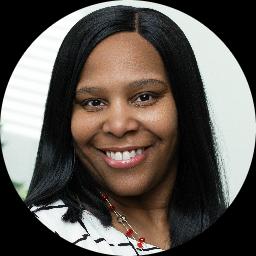
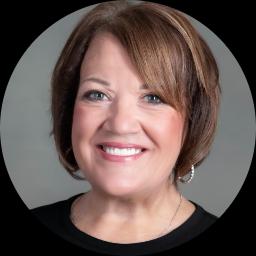
Paul Moffett
LPC
Experienced counselor focused on emotions and change
- Stress, Anxiety
- Addictions
- Relationship
Alabama 35 years in practice
Clinical social work directory
50 therapists in this directory hold a licence issued in Alabama and name systemic therapy among their approaches. Sessions are online; a US therapist can usually only see people in a state where they hold a licence, so check the credentials panel on each profile.
Welcome to EFT Therapists' Alabama directory. All listed therapists are licensed in Alabama and offer therapy via supported online sessions to residents of the state.
Explore provider profiles to compare approaches, credentials, languages and areas of focus so you can find a clinician who meets your needs.
LPC
Experienced counselor focused on emotions and change
LPC
Experienced counselor blending skills and connection
LPC
Helping people move through stress and family strain
LPC
Calm guidance for emotional and relationship challenges
LPC
Experienced counselor focused on relationships and healing
LPC
Calm, practical care for emotional struggles
LPC
Compassionate, practical therapy for life changes
LPC
Compassionate counselor for everyday struggles
LPC
Compassionate counselor who focuses on emotion and practical change
LICSW
Experienced LICSW focusing on emotions and relationships
LPC
Emotion-focused counselor for complex challenges
LPC
Practical emotional work with a warm approach
LPC
Compassionate counselor focused on practical change
LPC
Therapist focused on emotional connection and coping
LCSW, LICSW
Compassionate, practical therapy for life’s hard moments
LMFT
Compassionate therapist focused on emotional connection
LPC
Compassionate counselor focusing on emotions and coping
LICSW
Compassionate, practical therapy for emotional change
LPC
Helping people name emotions and change patterns
LPC
Practical, compassionate counseling for life challenges
LICSW
Compassionate clinician blending therapy and coaching
LPC
Practical, empathetic counseling for everyday struggles
LPC
Compassionate therapist focused on emotional healing
LPC
Calm, practical support for emotional healing
LPC
Compassionate counselor with practical experience
LPC
Calm practical support for stressful life changes
LPC
Compassionate, direct counseling focused on practical change
LPC
Practical, emotion-focused counseling for life and relationships
LICSW
Supportive therapist focused on emotion and coping
LPC
Compassionate counselor who helps people move forward
LPC
Compassionate counselor focused on emotional healing
LMFT
Practical, whole-person therapy with decades of experience
LPC
Practical, emotion-focused therapy for life challenges
LICSW
Calm, experienced support for life changes
LPC
Calm, practical therapy for strong feelings
LMFT
Compassionate therapist for relationship and parenting struggles
LPC
Compassionate counselor focused on emotional connection
LPC
Compassionate counselor who listens and supports
LPC
Compassionate counselor focused on relationships and recovery
LICSW
Compassionate, practical therapy for strong change
Some links on this page are partner links. We will earn a commission if you sign up through one, at no cost to you. It does not change what you pay or the order of the listings.
Online therapy in Alabama has become a common way to access professional mental health support without traveling to an office. You can connect with clinicians who offer video or phone sessions from different parts of the state, allowing you to receive counseling while staying at home, at work, or elsewhere. State licensing rules determine who may provide care to people located in Alabama, so therapists in this directory list licenses that authorize practice for Alabama residents. The service model varies by clinician; some therapists focus on short-term symptom relief while others emphasize longer-term personal growth. You will find a range of approaches described on profiles, and those descriptions indicate the methods clinicians use in sessions rather than a certification or guarantee of outcomes.
Regulation of remote clinical practice aims to protect people seeking help, and licensing boards maintain records about credentials and disciplinary history. Because laws and professional standards evolve, the specifics of telehealth - such as acceptable technologies and documentation requirements - can change over time. When you start exploring options, you may notice differences among therapists in how they describe their approach, the populations they work with, and the languages they speak. These differences can help you identify professionals who fit your preferences for therapeutic style, cultural competence, and clinical focus.
Online therapy removes geographic barriers that can make in-person care difficult, especially if you live in a rural community or a small town far from specialty services. You can schedule sessions without adding long commutes to your day and can use the time you save for other priorities. Remote sessions also make it easier to maintain continuity during life transitions like moving within the state, work relocations, or changes to family routines. The flexibility in scheduling can help you fit therapy around school, shift work, caregiving responsibilities, or long travel times that are common in parts of Alabama.
There are also ways that online therapy can support specific needs. If you prefer beginning therapy from your home, or you want to engage with a clinician who shares your language or cultural background but lives in another city, remote sessions expand the pool of available providers. You will find therapists who list approaches such as cognitive behavioral therapy, mindfulness-based work, emotion-focused approaches, and EMDR among their approaches. That phrasing indicates the methods they report using rather than formal guarantees about training. You should also weigh local factors that affect online care, such as internet reliability where you live, and think about how to create a comfortable environment for your sessions. When technology is dependable and your surroundings are appropriate for personal conversation, many people experience online therapy as a practical and effective option.
Online therapists in Alabama work with a wide variety of concerns, and you will often see clinicians describe areas like anxiety, depression, trauma recovery, relationship distress, grief, and stress management on their profiles. Some therapists emphasize support for life transitions such as becoming a parent, navigating work changes, or managing chronic health conditions. Others focus on family dynamics, parenting challenges, or couples work. Because profiles list focus areas and approaches, you can look for clinicians who mention experience with specific issues that match your needs.
The ways therapists work with these concerns can vary. Some practitioners emphasize skills-based interventions to manage symptoms and increase daily functioning, while others focus on exploring patterns in relationships and emotions to support longer-term change. You may also find therapists who describe integrating trauma-informed perspectives or who mention mindfulness and somatic awareness among their approaches. When you read profiles, consider how a clinician’s described focus and approach align with the kind of support you want, whether that is short-term coping strategies or deeper exploration of life patterns. Descriptions of languages spoken and populations served can also be useful if cultural understanding or communication in a particular language matters to you.
Verifying a clinician’s license is an important part of choosing a therapist. Licensing boards in Alabama provide public information about the status of a professional license, the type of license held, and whether any disciplinary actions have been recorded. When you view a therapist’s profile, look for the license type listed - such as psychologist, licensed professional counselor, or licensed clinical social worker - and note the state that issued the license. You can then search the appropriate Alabama licensing board website using the clinician’s name or license number to confirm that the license is active and in good standing.
In addition to checking board records, review the educational background and professional titles listed on the profile to understand the clinician’s training and the degrees they completed. If a profile mentions specialty interests or certain therapeutic approaches, remember that those statements reflect how the therapist describes their practice rather than verification of specific certifications. If you have questions about what a license type permits in terms of practice scope or about differences between license categories, the licensing board’s website typically provides explanatory material. Taking these verification steps helps you feel informed about a provider’s legal authorization to practice in Alabama and gives you a clear starting point for further conversation.
Beginning with online therapy involves a few practical steps that make the process smoother. Start by identifying what you hope to achieve in therapy and the qualities you want in a therapist, such as experience with particular issues, shared cultural background, or the ability to communicate in a specific language. Use the directory filters to compare focus areas, approaches, credentials and languages. When you find profiles that match your preferences, reach out through the contact methods provided to ask about the therapist’s approach to the issues you listed and to get a sense of how they describe the work they do.
Before your first session, consider your technology setup. Test your camera and microphone, choose a quiet spot where you can speak without interruption, and decide whether you prefer video or phone sessions. Think about practical matters such as payment options and whether you plan to use insurance, and ask a prospective therapist how they handle consent, recordkeeping and reimbursement for remote sessions. You may want to prepare a few questions to ask at an initial consultation, such as how they typically structure sessions, what a typical course of work looks like for your concern, and how they support clients between sessions. If the first therapist you try does not feel like a good match, it is reasonable to look for another clinician whose style, focus and communication better suit your needs. Choosing a therapist is a personal process, and finding the right fit often involves comparing how different clinicians describe their approach, credentials and experience rather than relying on a single factor.
When you begin online therapy, set realistic expectations for progress and give yourself time to develop a working relationship with the therapist. Be open about what does and does not feel helpful, and mention any logistical issues that arise so the clinician can adapt the plan. If you need help coordinating care with local services in Alabama - for example, when in-person assessments or community resources are relevant - ask your therapist how they can support referrals or collaborations. With clear communication about goals, style and practical arrangements, online therapy can be a constructive and accessible way to address the concerns that brought you to seek help.
Choosing an online therapist in Alabama is a step toward getting tailored professional support. By reviewing profiles, verifying licenses through state boards, comparing approaches and preparing for your sessions, you can find a clinician whose practice aligns with your needs and preferences. Take your time, ask questions, and use the resources available to find the therapeutic match that helps you move forward.