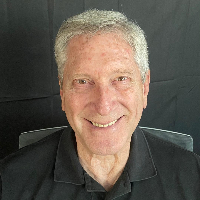
Nancy Montes
LCSW
Compassionate, culturally aware LCSW for life transitions
- Stress, Anxiety
- Self esteem
- Depression
California 22 years in practice
Clinical social work directory
214 therapists in this directory hold a licence issued in California and name systemic therapy among their approaches. Sessions are online; a US therapist can usually only see people in a state where they hold a licence, so check the credentials panel on each profile.
Welcome to our California directory for people seeking online therapy. All therapists listed here are licensed in California; use the listings to explore approaches, credentials, and languages. Start browsing profiles to find practitioners whose backgrounds and methods match what you want.
LCSW
Compassionate, culturally aware LCSW for life transitions
LCSW
Practical, collaborative therapy for emotional healing
LCSW
Compassionate clinician helping rebuild emotional balance
LMFT
Practical, emotion-focused therapy for adults
LMFT
Warm therapist focused on feelings and practical skills
LMFT
Emotionally focused therapist focused on connection
LMFT
Emotion-focused therapist with 20 years experience
LMFT
Compassionate, emotion-focused therapy
LMFT
Compassionate, experienced therapist for family and intimacy concerns
LMFT
Experienced relational therapist focused on emotional connection
LMFT
Calm guidance for emotional and relationship struggles
LPC, LPCC
Compassionate help for relationship and life shifts
LMFT
Compassionate therapist with 40 years experience
LMFT
Calm, experienced therapist focusing on emotion
LMFT
Therapist who blends practical tools and emotional work
LMFT
Guide for stress, relationships, and recovery
LCSW, CSW
Compassionate, practical therapy for emotional change
CA Psychologist
Compassionate psychologist focused on emotion and relationships
LMFT
Calm therapy for emotional healing
CA Psychologist, CO Psychologist
Experienced psychologist offering steady, practical support
LMFT
Calm, collaborative therapy for life’s hard moments
CA Psychologist
Experienced psychologist helping people reconnect and cope
LCSW
Compassionate therapist focusing on practical change
CO Psychologist, CA Psychologist
Experienced psychologist helping with stress and relationships
LMFT
Emotion-focused and practical support for adults
LCSW
Compassionate, practical therapy for everyday life
LMFT
Compassionate therapist focused on emotional healing
LCSW
Collaborative LCSW focused on strengths and clarity
LMFT
Experienced LMFT focused on relationships and resilience
LMFT
Emotion-focused therapist for relationships and addiction
LCSW
Experienced LCSW focused on connection and change
Some links on this page are partner links. We will earn a commission if you sign up through one, at no cost to you. It does not change what you pay or the order of the listings.
In recent years online therapy has become an established option for people across California, from densely populated urban centers to smaller towns and rural counties. California law permits licensed mental health professionals to provide services remotely to residents of the state, and many clinicians include telehealth among the ways they work. When you search for a therapist in California you will find practitioners who offer sessions by video, phone, or other remote formats. Those formats can make it easier to access a clinician with a particular approach, language ability, or specialization without geographic limits.
Because therapists must hold an active California license to provide care to people in the state, regulatory oversight is focused on practitioners who serve Californians. That regulatory framework aims to protect consumers by establishing professional standards and a public process for verifying credentials. As you look through listings, you will see information such as license type, education, therapeutic approaches that a clinician lists, and often the languages they speak. These details help you narrow options based on what matters to you, whether you prefer a clinician who lists EFT among their approaches, someone who lists trauma-focused work, or a therapist who offers culturally informed care.
Online therapy can reduce many of the logistical barriers that sometimes make in-person care difficult. If you live a long commute from a downtown clinic, care by video can save travel time. If you juggle irregular work hours, remote sessions can make it easier to fit conversations into your day. For Californians who move seasonally, work in multiple cities, or live in areas with fewer local clinicians, online formats expand the pool of therapists you can consider.
Beyond convenience, remote sessions can support continuity of care when life circumstances change. You might find a clinician who speaks your preferred language or who lists particular approaches and specializations among their practice areas more readily online. Remote work also allows you to control your physical environment during sessions, choosing a quiet and comfortable setting at home or elsewhere. As you try online sessions, think about connectivity, device placement, and lighting so the session space supports focused conversation and emotional safety.
Therapists offering online care work with a broad range of concerns similar to those addressed in face-to-face practice. People seek online therapy for relationship and couples issues, grief and loss, anxiety, depression, life transitions, identity exploration, and stress related to work or family roles. Some clinicians list specialized work with trauma, chronic health concerns, parenting challenges, or issues related to sexual orientation and gender identity. When a therapist lists EMDR, mindfulness, EFT, cognitive-behavioral approaches, or other methods among their approaches, that indicates the clinician includes those approaches in the ways they describe their work rather than a statement about formal certification.
Because many clinical issues are complex and overlapping, you may want a therapist whose profile reflects experience with multiple concerns or who emphasizes a flexible, integrative approach. Language and cultural background can also be an important part of the fit. If language matters to you, search for clinicians who list the language you prefer to use in sessions. Profiles often include demographic and focus-area notes that help you identify therapists whose experience aligns with the issues you want to address.
Verifying that a clinician holds an active California license is an important step before you begin work together. The California Board of Behavioral Sciences maintains an online license lookup where you can search by name or license number to confirm a license type, issue date, and current status. Common license types you will encounter include Licensed Clinical Social Worker (LCSW), Licensed Marriage and Family Therapist (LMFT), Licensed Professional Clinical Counselor (LPCC), and psychologists with doctoral credentials such as PhD or PsyD. For each record you can view whether a license is active and whether there are any public disciplinary actions or restrictions noted by the board.
When you look at a therapist profile in the directory, compare the license information shown there with the state board listing. If a license number is provided, that number can be entered directly into the board search. If there are questions about the record you find, the board’s public materials explain what different statuses mean and provide contact information for additional inquiry. Confirming licensure helps you feel informed about the clinician’s standing under California regulation and about any formal limitations on practice that might apply.
Beginning online therapy starts with clarifying what you want from the process and then using the directory to find therapists who align with those goals. Start by deciding which practical factors matter most - the therapeutic approaches a clinician lists, the credentials they hold, languages spoken, and any stated areas of focus. Many people also consider logistical details such as session length, typical session format, and whether a clinician offers brief consultations for initial questions. When you contact a therapist, you can ask about their general approach to working with concerns like yours and what a typical course of work looks like, recognizing that clinicians describe approaches that they use rather than a guarantee of specific training.
As you evaluate profiles, pay attention to how therapists describe their work and the values they emphasize. Some clinicians highlight relational and emotional processing styles, while others emphasize skills-based strategies or trauma-informed perspectives. Think about what style of therapeutic relationship has helped you in the past or what feels most likely to help now. Language and cultural considerations are an important part of fit - if you prefer to speak in a language other than English or you want a clinician who mentions experience with particular cultural or identity issues, include that in your search. Practical technology considerations also matter; ensure you have a reliable internet connection and a personal place where you can speak and reflect without interruption. If you need to create a quiet space for sessions, consider simple steps like using headphones, placing your device so you cannot be overheard, and testing devices before a session.
When deciding among several clinicians, think about the questions you want to ask before booking a first session. You might inquire about their typical client population, the kinds of approaches they use for the issues you listed, how they structure sessions, and what the next steps might look like if you begin. Reviewing a clinician’s cancellation policies, fees, and whether they list experience working with insurance or reduced-fee arrangements can also be helpful. Ultimately, trust your sense of whether a clinician’s profile and initial responses suggest a comfortable working relationship. It is common and acceptable to try a session or two before deciding whether to continue - the therapeutic relationship is an important part of effective work, and finding a good match often involves exploring a small number of options.
Searching for an online therapist in California is a personal process that combines practical considerations with how you hope to be supported in therapy. Use the directory to compare the approaches therapists list, confirm licenses through the California licensing board, and prioritize the elements of care that matter most to you. With careful review and a few thoughtful questions, you can identify clinicians whose profiles suggest a good fit and then begin conversations that move you toward your goals.