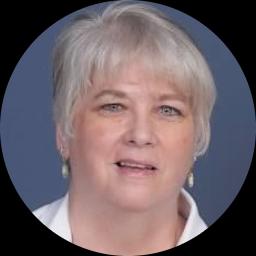
Mary Widseth, LPC
Minnesota · 7 years in practice
Mary Widseth is a Licensed Professional Counselor who focuses on helping adults understand themselves and the people around them.
License and registration
- LPC, Minnesota
- 2100 · expires December 2026
- NPI
- 1669021895 · national provider identifier
- Years in practice
- 7
- Languages
- English
Details are as listed on the therapist's public professional profile. You can check the license with the issuing state board, and the NPI with the national registry.
About Mary
Mary Widseth is a Licensed Professional Counselor who focuses on helping adults understand themselves and the people around them. She uses practical, person-focused methods to guide people through stress, grief, trauma, mood concerns, and relationship struggles. Her approach aims to make emotional patterns clearer and to teach skills people can use between sessions.
Mary holds a master’s degree in Community Psychology and Rehabilitation Counseling and a bachelor’s in Vocational Rehabilitation.
Background and approach
She has a certificate in Autism and draws on experience supporting adults with cognitive, communication, or physical differences. Early work included helping people find and keep jobs, providing on-the-job training, and coordinating with employers and support staff. After graduate school she provided in-home therapy for children aged 7 to 18 and their families for two years.
She then spent two more years delivering office-based mental health care to adults and children. That work included supporting people with anxiety, depression, ADHD, autism, and challenges around communication and emotional regulation. Her clinical toolkit includes Emotionally-Focused Therapy, Client-Centered Therapy, cognitive behavioral techniques, dialectical behavior strategies, and EMDR.
Mary adapts techniques to fit each person’s needs and communication style, using visual tools, rebus boards, and sign language when helpful. People come to her for help with relationship and family issues, parenting strain, sleep struggles, addiction concerns, identity and LGBT issues, anger and self-esteem, and life transitions. She practices in Minnesota and conducts sessions in English.
Focus areas and approaches
Everything Mary lists on their public professional profile, in their own terms.
- Relationship issues
- Family conflicts
- Trauma and abuse
- Grief
- Depression
- Stress, Anxiety
- Addictions
- LGBT
- Intimacy-related issues
- Sleeping disorders
- Parenting issues
- Anger management
- Self esteem
- Career difficulties
- Bipolar disorder
- Coping with life changes
- ADHD
- Adoption and foster care
- Aging and geriatric issues
- Autism and Asperger Syndrome
- Blended family issues
- Body image
- Caregiver issues and stress
- Communication problems
- Disruptive Mood Dysregulation Disorder (DMDD)
- Divorce and separation
- Domestic violence
- Family problems
- First responder issues
- Hearing impaired
- Hoarding
- Hospice and end-of-life counseling
- Infidelity
- Intellectual disability
- Midlife crisis
- Veteran and Armed Forces Issues
- Mood disorders
- Panic disorder and panic attacks
- Personality disorders
- Post-traumatic stress
- Prejudice and discrimination
- Seasonal Affective Disorder (SAD)
- Self-harm
- Social anxiety and phobia
- Traumatic brain injury
Approaches Mary names
- Emotionally-Focused Therapy (EFT)
- Client-Centered Therapy
- Cognitive Behavioral Therapy (CBT)
- Dialectical Behavior Therapy (DBT)
- Eye Movement Desensitization and Reprocessing (EMDR)
- Mindfulness Therapy
- Motivational Interviewing
- Narrative Therapy
- Solution-Focused Therapy
- Trauma-Focused Therapy
Naming an approach is not evidence of training in it. This directory copies what each therapist lists and does not check training records.
Online support
How emotion-focused and skill-based therapy works online
Emotionally-Focused Therapy helps people notice and name strong emotions and how those feelings shape reactions to others. It is useful when relationship patterns, attachment needs, or intense emotions get in the way of daily life. Client-Centered Therapy centers the person’s own goals and perspective, with the therapist offering empathy and reflection to help people find their own solutions. Cognitive Behavioral Therapy is a practical approach that looks at unhelpful thoughts and behaviors and teaches skills to change them, which can help with anxiety, depression, and sleep problems.Choosing the right approach is part of therapy. The therapist will work together with each person to identify which methods fit best for their goals, preferences, and everyday routine. That collaborative process can include trying a technique for a few sessions and adjusting based on what helps most.
Online sessions offer several practical benefits. Video calls allow face-to-face conversation and visual cues while fitting into busy schedules. Phone sessions use less bandwidth and can be easier when a quick check-in is needed. Live chat and text-based messaging let people send updates or practice skills between sessions and can be used for brief support or ongoing reflections. These options add flexibility and make it easier to keep momentum between appointments.
We will earn a commission if you sign up through our link, at no cost to you. It does not change what you pay or the order of the listings.
Questions people ask
What kinds of concerns does this therapist address?
Mary works with a wide range of issues including relationship and family problems, trauma and abuse, grief, depression, anxiety, stress, addictions, sleep problems, parenting strain, and identity-related concerns.
How would you describe her therapeutic style?
Her style blends Emotionally-Focused Therapy with client-centered care and practical skills from cognitive behavioral and dialectical approaches. Sessions focus on understanding feelings and learning concrete tools to manage them.
What is her professional background?
She has seven years of experience, including in-home work with young people and office-based therapy for adults and children, and prior vocational rehabilitation experience supporting marginalized adults.
What credentials and region are listed for this clinician?
She is an LPC, which stands for Licensed Professional Counselor, and is based in Minnesota.
Which languages are used in sessions?
Sessions are offered in English. International clients are not accepted at this time.
What session formats are available?
Therapy is offered via video calls, phone sessions, live chat, and text-based messaging to fit different needs and schedules.
How is cost handled for sessions?
Costs vary with location and therapist availability. Sessions use a subscription model that can be canceled at any time.
How do I begin working with her?
Start by selecting the Start Therapy button, complete a short matching questionnaire, and then schedule sessions according to therapist availability.
More therapists in Minnesota
See allPietro (Pete) Martucci
LPCC
Compassionate, practical counseling for everyday struggles
- Stress, Anxiety
- LGBT
- Trauma and abuse
Mary Gales-Wenz
LICSW
Compassionate practical therapy from an experienced LICSW
- Stress, Anxiety
- Addictions
- Trauma and abuse
Wendy Alm
LMFT
Calm, practical therapy for relationships and life changes
- Stress, Anxiety
- Relationship
- Family

Jennifer Kim-Ardakani
LMFT
Compassionate therapist focusing on emotion and connection
- Stress, Anxiety
- Relationship
- Trauma and abuse
Is this your profile?
Ask us to correct details or take the page down.
Contact us