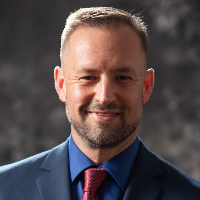
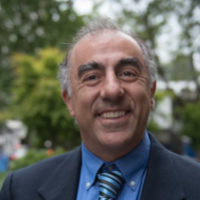
Kevin Wilbanks, LCPC, LPC
Georgia · 32 years in practice
Kevin Wilbanks, LCPC, LPC, brings a steady and practical approach to counseling.
License and registration
- LPC, Georgia
- LPC003349 · expires September 2026
- LPC, Oregon
- C 8383 · expires February 2027
- LCPC, Idaho
- LCPC-7888 · expires February 2028
- LCMHC, Utah
- 13964079-6004 · expires September 2026
- NPI
- 1194894485 · national provider identifier
- Years in practice
- 32
- Languages
- English
Details are as listed on the therapist's public professional profile. You can check the license with the issuing state board, and the NPI with the national registry.
About Kevin
Kevin Wilbanks, LCPC, LPC, brings a steady and practical approach to counseling. He focuses on helping people manage stress, anxiety, depression, anger, relationship struggles, parenting strain, trauma, and self-esteem issues. Kevin aims to build a trusting relationship where people feel heard and can take steps toward the changes they want.
He uses clear, hands-on methods to teach new ways of thinking and coping. Sessions often include learning how to calm the body and mind, spotting self-defeating thoughts, and practicing different behaviors to meet life challenges.
Background and approach
Kevin helps clients connect how past patterns influence present choices and then try new responses that work better. With 32 years of experience, Kevin draws on several therapy styles to suit each person’s needs, including Emotionally-Focused Therapy, attachment-based work, client-centered methods, cognitive behavioral techniques, and skills from dialectical behavior therapy.
He describes therapy as a collaborative process and pays attention to what each person finds most useful. Kevin has provided counseling in many settings and has experience supporting U.S. military missions worldwide. He holds a Doctorate in Counseling Ministry, a Master of Arts in Counseling Psychology, and a Bachelor of Science in Interdisciplinary Social Sciences.
His credentials include Licensed Clinical Professional Counselor and Licensed Professional Counselor. Outside of clinical work he enjoys drumming, hiking, fitness, travel, and reading. He presents a calm, direct style designed to help people get unstuck and make practical changes that improve daily life.
Focus areas and approaches
Everything Kevin lists on their public professional profile, in their own terms.
- Stress, Anxiety
- Relationship issues
- Self esteem
- Depression
- Family conflicts
- Trauma and abuse
- Parenting issues
- Anger management
- Abandonment
- Adoption and foster care
- Aging and geriatric issues
- Attachment issues
- Avoidant personality
- Blended family issues
- Cancer
- Caregiver issues and stress
- Co-morbidity
- Codependency
- Commitment issues
- Communication problems
- Control issues
- Coping with natural or human-caused disaster
- Dependent personality
- Dissociation
- Divorce and separation
- Emptiness
- Family of origin issues
- Family problems
- Fatherhood issues
- First responder issues
- Forgiveness
- Guilt and shame
- Immigration issues
- Impulsivity
- Infidelity
- Isolation / loneliness
- Jealousy
- Life purpose
- Men's issues
- Midlife crisis
- Veteran and Armed Forces Issues
- Mood disorders
- Multicultural concerns
- Obsessions, compulsions, and OCD
- Panic disorder and panic attacks
- Paranoia
- Phobias
- Postpartum depression
- Post-traumatic stress
- Process addiction (porn, exercise, gambling)
- Self-love
- Social anxiety and phobia
- Somatization
- Workplace issues
- Young adult issues
Approaches Kevin names
- Emotionally-Focused Therapy (EFT)
- Attachment-Based Therapy
- Client-Centered Therapy
- Cognitive Behavioral Therapy (CBT)
- Dialectical Behavior Therapy (DBT)
- Existential Therapy
- Mindfulness Therapy
- Motivational Interviewing
- Psychodynamic Therapy
- Solution-Focused Therapy
- Somatic Therapy
- Trauma-Focused Therapy
Naming an approach is not evidence of training in it. This directory copies what each therapist lists and does not check training records.
Online support
Emotion and Attachment Work Online
Emotionally-Focused Therapy focuses on emotions and how they shape close connections; it helps people notice and name feelings and use that awareness to change patterns in relationships and emotional responses. Attachment-Based Therapy looks at how early bonds influence present behavior and helps people build more supported ways of relating and trusting others. Client-Centered Therapy centers the conversation on the person's experience, using empathy and attentive listening to help people find their own solutions and build self-understanding.Finding the right approach is part of the work. The therapist will collaborate with each person to choose methods that fit their goals and preferences. Sessions can blend emotion-focused exercises, skill training, and reflective conversation so the plan changes as progress is made.
Online therapy offers several practical benefits for this practice. Video calls allow face-to-face interaction for deeper emotional work. Phone sessions are useful when bandwidth or camera use is limited. Live chat and text-based messaging make brief check-ins and skills practice easier between sessions. These options help people fit counseling into busy lives and keep momentum between meetings.
We will earn a commission if you sign up through our link, at no cost to you. It does not change what you pay or the order of the listings.
Questions people ask
What concerns can be addressed in sessions?
Kevin works with stress, anxiety, depression, relationship problems, parenting difficulties, trauma and abuse, anger, self-esteem, and related challenges.
What is his general therapy style like?
The approach is collaborative and down-to-earth, combining emotion-focused work with practical skill building to calm the body, change unhelpful thoughts, and shift behavior.
How much experience does he have?
He brings 32 years of experience in counseling across multiple settings, including work supporting U.S. military missions worldwide.
What credentials and region are listed?
Kevin’s credentials are LCPC and LPC and he is based in Oregon.
Which languages are supported for sessions?
Sessions are offered in English and international clients are accepted.
What session formats are available online?
He offers video calls, phone sessions, live chat, and text-based messaging to fit different preferences.
How are fees and subscriptions handled?
Cost varies with location and therapist availability; sessions use a subscription that can be canceled at any time.
How do I begin working with him?
Start by selecting the Start Therapy button, complete a short matching questionnaire, and schedule according to therapist availability.
More therapists in Oregon
See allJennifer Fishman
LPC, LCPC
Compassionate counselor who teaches practical tools
- Stress, Anxiety
- Anger
- Self esteem
Rivkah Barmore
LMFT
Compassionate therapist blending emotion and practical skills
- Stress, Anxiety
- Addictions
- Trauma and abuse
Erica Mau
LPC
Practical, direct counseling for meaningful change
- Addictions
- Trauma and abuse
- Parenting
Mohammad Bader
LPC, LMHC
Practical, culturally aware therapy for everyday struggles
- Stress, Anxiety
- Relationship
- Grief
Is this your profile?
Ask us to correct details or take the page down.
Contact us