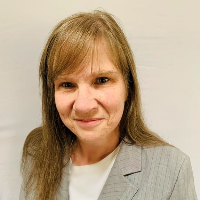
Jennifer Fishman
LPC, LCPC
Compassionate counselor who teaches practical tools
- Stress, Anxiety
- Anger
- Self esteem
Idaho 17 years in practice
Clinical social work directory
26 therapists in this directory hold a licence issued in Oregon and name systemic therapy among their approaches. Sessions are online; a US therapist can usually only see people in a state where they hold a licence, so check the credentials panel on each profile.
Welcome to our directory for online therapists serving Oregon. All therapists listed here hold licenses to practice in Oregon, and you can explore profiles to learn about their approaches, focus areas, credentials and languages. Use the listings below to find clinicians who align with your needs and read further for guidance on getting started with online therapy.
LPC, LCPC
Compassionate counselor who teaches practical tools
LMFT
Compassionate therapist blending emotion and practical skills
LPC
Practical, direct counseling for meaningful change
LPC, LMHC
Practical, culturally aware therapy for everyday struggles
LCSW
Compassionate, culturally aware counseling
LPC
Practical therapy with nature-informed insight
LCSW
Compassionate therapist focused on emotional healing
LPC
Compassionate counselor guiding practical change
LPC
Practical, emotion-focused counseling for adults and teens
LCPC, LPC
Compassionate counseling with practical tools
LPC
Supportive counselor for identity and healing
LMFT
Skilled relational therapist focused on emotional connection
LMFT
Compassionate therapist focusing on emotions and relationships
LCSW
Compassionate, practical counseling for life changes
LCSW
Experienced LCSW focusing on emotional connection
LMFT
Compassionate therapist for life transitions
LISW, LCSW
Experienced social worker focused on emotional change
LPC
Compassionate counselor focused on emotional connection
LMFT
Warm therapist who focuses on emotion and connection
LPC
Calm, practical support for emotional change
Some links on this page are partner links. We will earn a commission if you sign up through one, at no cost to you. It does not change what you pay or the order of the listings.
Online therapy has become an integral option for many people across Oregon, from urban centers to rural towns. If you are living in Oregon, you should expect to see licensed mental health professionals offering sessions by video or phone as part of their practice. State licensing generally requires that a clinician be authorized to practice where you are located during the session, so most profiles in this directory represent professionals who hold Oregon licenses. Regulations and practice standards have evolved in recent years to account for telepractice, but specific rules can vary by profession and by the licensing board. That means you may see a range of practitioners who list different approaches, credentials and supervision arrangements. When you browse profiles, look for clear information about licensure, credentials such as LCSW, LPC, LMFT, PsyD or PhD, and descriptions of the types of work they do. This overview is intended to orient you to what online therapy typically looks like in Oregon and to help you feel more confident about exploring options that match your needs.
Choosing online therapy can offer practical advantages that fit into everyday life. You can save travel time and avoid long commutes, which matters in a state with diverse geography and traffic patterns. If you live in a rural or coastal community where local mental health options are limited, online sessions can give you more access to clinicians who focus on particular concerns or populations. Online therapy also makes it easier to connect with professionals who speak your language or who describe cultural competency with your community, which can be important for feeling understood and supported. For many people, virtual sessions provide continuity during life transitions such as relocation, job changes or caregiving shifts. You also have flexibility in choosing formats - for example, some therapists list video as their primary method while others offer phone or blended approaches. When preparing for sessions, plan a quiet, quiet space where you feel comfortable speaking openly and a device with a reliable internet connection that supports video if you prefer seeing the clinician. Assessing these practical benefits can help you decide whether online therapy fits your lifestyle and goals.
Online therapists in Oregon address a wide range of concerns across the lifespan. You can find clinicians who work with mood concerns like depression and persistent low mood, anxiety and panic, or stress related to work and caregiving. Relationship difficulties, including couples work and family dynamics, are frequently supported via online sessions, as are parenting challenges and life-stage transitions such as becoming a parent or navigating retirement. Many therapists also describe working with grief and loss, adjustment after major life events, and coping with chronic medical conditions. For trauma-related care, some clinicians list approaches such as EMDR among their approaches, while others describe somatic-oriented or narrative approaches; these listings indicate the methods they use rather than certifications. Substance use, behavioral concerns and issues related to identity, culture or sexuality are also common focus areas. If you have specific needs, look for profiles that describe relevant experience and language offerings. You should expect therapists to outline the kinds of challenges they commonly address so you can find someone whose clinical focus aligns with your priorities.
Verifying a therapist's license is an important step before you begin online therapy. Begin by asking for the license number and the exact licensing board that issued it. Most licensed professionals will list their credential letters and the state board on their profile. Once you have a license number, you can consult the appropriate Oregon licensing board to confirm the practitioner’s current status. There are several boards in Oregon that oversee different professions, so identify whether the clinician is licensed as a clinical social worker, professional counselor, marriage and family therapist, or psychologist. On the board’s public lookup tool you can check whether the license is active, see the expiration date, and review any publicly recorded disciplinary actions. Reviewing the license status can also clarify whether the clinician practices independently or provides services under supervision. If anything on a profile seems unclear, you can call the board’s administrative office for guidance. Keeping a copy of the license information and the board confirmation can be useful for your records and for any communication with your insurance carrier if you plan to use benefits for therapy.
Getting started with online therapy involves a few practical and interpersonal steps. Begin by defining your goals for therapy - whether you want short-term support for a specific problem, help managing ongoing symptoms, or work on relationships and life transitions. Use those goals to guide the profiles you review. Pay attention to the clinician’s described approaches, populations served, age groups and any languages they list. Because training and licensing vary, look for clear statements about education and license type rather than assumptions about specializations. Reach out to clinicians whose profiles resonate with you and ask questions about their approach to the kinds of issues you want to address. You can inquire how they typically structure sessions, what tools they use for online meetings, how they handle emergencies or crises during remote work, and what a typical course of work looks like. It is also reasonable to ask about fees, insurance billing and sliding scale policies so you can plan financially.
Your sense of fit is shaped by both credentials and rapport. After an initial conversation, reflect on whether the clinician seemed to understand your goals and whether their described approach feels like a good match. Consider language and cultural factors, as well as the age range and life experiences the clinician reports working with. If you are seeking a particular modality, look for clinicians who list that modality among their approaches, and ask them to explain how they apply it in practice. You should also confirm technical details - what video platform they use, any privacy protections in place on that platform, and what to do if a connection drops. Before your first session, identify a comfortable spot where you can speak candidly and, if needed, a quiet space where you can minimize interruptions.
As therapy progresses, regularly revisit your goals and whether the current approach is producing the changes you want. You can ask your clinician how they measure progress and what steps they recommend if you want a different focus. It is common to adjust the frequency, methods or goals over time. If after a few sessions you feel the fit is not right, it is appropriate to discuss this with the clinician and to explore referrals to other professionals who might be a better match for your needs. Choosing a clinician is a personal decision, and finding someone whose style and focus resonate with you often makes the work more effective and meaningful.
Online therapy in Oregon offers a flexible path to support when you need it. By verifying licensure, understanding approaches, clarifying logistics and reflecting on rapport, you can find a clinician whose experience and style match your goals. Use the listings above to start exploring profiles and take the next step toward finding mental health support that fits your life in Oregon.