
Mary-Catherine Nimphius, LPC
Oregon · 10 years in practice
Mary-Catherine Nimphius is a licensed professional counselor in Oregon with ten years of experience.
License and registration
- LPC, Oregon
- C5806 · expires February 2026
- LPC, Wisconsin
- 6504 - 125 · expires February 2027
- NPI
- 1164804274 · national provider identifier
- Years in practice
- 10
- Languages
- English
Details are as listed on the therapist's public professional profile. You can check the license with the issuing state board, and the NPI with the national registry.
About Mary-Catherine
Mary-Catherine Nimphius is a licensed professional counselor in Oregon with ten years of experience. She focuses on helping people who feel stuck by listening closely and offering clear, practical steps. Her style is warm and straightforward, aimed at making therapy feel manageable for worried parents and busy adults.
Mary-Catherine often helps people facing anxiety, depression, stress, grief, and life changes. She also supports concerns around identity, relationship difficulties, eating and body-image struggles, and compassion fatigue.
Background and approach
Her work includes attention to trauma, bipolar disorder, and issues that arise from family of origin patterns. In sessions she blends emotionally focused ideas with cognitive and behavioral tools. That means she pays attention to feelings and relationships while also teaching skills to manage thoughts and behaviors.
She uses acceptance and commitment strategies and mindfulness practices to help clients make purposeful choices. Her approach is collaborative and practical. She helps clients set small, achievable goals and learns what works for each person.
Therapy can include in-the-moment emotion work, skill practice between sessions, and plans to handle setbacks. Mary-Catherine explains concepts in plain language and keeps sessions focused on daily life. She supports people exploring gender and sexual identity and those dealing with parenting or caregiver stress.
Her aim is to help clients build resilience, feel more connected, and move toward clearer purpose in life.
Focus areas and approaches
Everything Mary-Catherine lists on their public professional profile, in their own terms.
- Stress, Anxiety
- Self esteem
- Depression
- Coping with life changes
- LGBT
- Relationship issues
- Family conflicts
- Trauma and abuse
- Grief
- Intimacy-related issues
- Eating disorders
- Parenting issues
- Anger management
- Career difficulties
- Bipolar disorder
- Compassion fatigue
- Abandonment
- Body image
- Caregiver issues and stress
- Co-morbidity
- Communication problems
- Dissociation
- Eating and food-related issues
- Family of origin issues
- Family problems
- Gender dysphoria
- Guilt and shame
- Hoarding
- Impulsivity
- Isolation / loneliness
- Life purpose
- Midlife crisis
- Mood disorders
- Obsessions, compulsions, and OCD
- Panic disorder and panic attacks
- Personality disorders
- Phobias
- Polyamory / non-monogamous relationships
- Post-traumatic stress
- Self-harm
- Self-love
- Sexuality
- Social anxiety and phobia
- Women's issues
- Workplace issues
- Young adult issues
Approaches Mary-Catherine names
- Emotionally-Focused Therapy (EFT)
- Acceptance and Commitment Therapy (ACT)
- Cognitive Behavioral Therapy (CBT)
- Dialectical Behavior Therapy (DBT)
- Mindfulness Therapy
- Motivational Interviewing
- Solution-Focused Therapy
- Trauma-Focused Therapy
Naming an approach is not evidence of training in it. This directory copies what each therapist lists and does not check training records.
Online support
How Mary-Catherine Uses EFT, ACT, and CBT Online
Emotionally-Focused Therapy (EFT) focuses on understanding and changing emotional responses in relationships and personal patterns. Online EFT work helps people notice their feelings, name them, and try new ways of responding to close others or to themselves. Acceptance and Commitment Therapy (ACT) teaches people to notice difficult thoughts and feelings without getting stuck in them, and to take committed steps toward what matters. It can help with anxiety, depression, and life transitions by clarifying values and building action plans. Cognitive Behavioral Therapy (CBT) breaks down problems into thoughts, feelings, and behaviors and teaches practical skills to shift unhelpful patterns, which is useful for anxiety, mood symptoms, and coping skills.Finding the right mix of approaches is part of the work. The therapist collaborates with each person to choose methods that match their goals, needs, and preferences. Sessions often start with exploring a client's main concerns, then trying techniques and adjusting as progress is seen.
Online therapy offers flexible ways to meet. Video calls are good for face-to-face conversation and emotion-focused exercises. Phone sessions require less bandwidth and can fit into a lunch break. Live chat and text-based messaging allow short check-ins, skill reminders, and ongoing support between longer sessions. These options help people fit therapy into busy lives and maintain continuity of care.
We will earn a commission if you sign up through our link, at no cost to you. It does not change what you pay or the order of the listings.
Questions people ask
What kinds of concerns can be addressed in therapy?
She works with stress, anxiety, depression, grief, trauma and abuse, and relationship or intimacy-related issues. Additional focuses include body image, caregiver stress, eating and food-related issues, and life purpose.
What is her therapeutic style and approach?
She uses a blend of emotionally focused work with cognitive and behavioral tools. Sessions are collaborative and practical, with emotion work alongside skills practice.
How much clinical experience does she have?
Mary-Catherine has ten years of experience working as a clinician in mental health settings. That background shapes her practical, hands-on approach to therapy.
What credentials and region are listed?
She holds the LPC credential and practices in Oregon. The profile notes licensing in Wisconsin and Oregon as provided.
Which languages are supported for sessions?
Sessions are offered in English.
What session formats are available online?
Therapy can be delivered by video calls, phone sessions, live chat, or text-based messaging to fit different schedules and needs.
How does payment and cost work?
Cost varies with location and therapist availability; sessions are provided through a subscription model that can be canceled at any time.
How do I begin working with her?
Click the Start Therapy button, complete a short matching questionnaire, and schedule according to therapist availability.
More therapists in Oregon
See allJennifer Fishman
LPC, LCPC
Compassionate counselor who teaches practical tools
- Stress, Anxiety
- Anger
- Self esteem
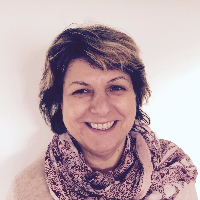
Rivkah Barmore
LMFT
Compassionate therapist blending emotion and practical skills
- Stress, Anxiety
- Addictions
- Trauma and abuse
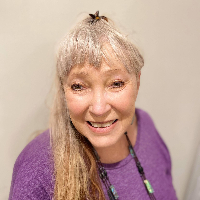
Erica Mau
LPC
Practical, direct counseling for meaningful change
- Addictions
- Trauma and abuse
- Parenting
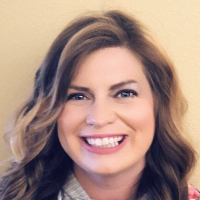
Mohammad Bader
LPC, LMHC
Practical, culturally aware therapy for everyday struggles
- Stress, Anxiety
- Relationship
- Grief

Is this your profile?
Ask us to correct details or take the page down.
Contact us