
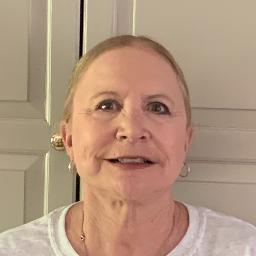
June OConnor, LCPC, LPC
Montana · 25 years in practice
June OConnor is a licensed counselor with 25 years of experience who draws on life experience as well as clinical work.
License and registration
- LCPC, Montana
- BBH-LCPC-LIC-901 · expires December 2026
- LPC, Arizona
- LPC-19063 · expires May 2026
- NPI
- 1457361917 · national provider identifier
- Years in practice
- 25
- Languages
- English
Details are as listed on the therapist's public professional profile. You can check the license with the issuing state board, and the NPI with the national registry.
About June
June OConnor is a licensed counselor with 25 years of experience who draws on life experience as well as clinical work. She says her own struggles and recovery shaped her decision to become a therapist later in life. June emphasizes steady, nonjudgmental support and practical skills that come from long practice.
She aims to listen closely and offer guidance that fits each person's situation. June keeps her approach straightforward and adaptable.
Background and approach
She uses Emotionally-Focused Therapy alongside client-centered methods to help people understand and change emotional patterns. Cognitive Behavioral Therapy and mindfulness tools are also part of her work when they suit a person's goals. In sessions she balances warmth with honest challenge.
She may point out habits that no longer help and suggest alternatives that meet the same need. Expect concrete strategies for managing stress, anxiety, low self-esteem, sleep trouble, or major life changes. June has experience addressing trauma and abuse, addiction, grief, relationship and intimacy issues, parenting stress, and career concerns.
She also works with people facing adoption or foster care questions, aging and caregiver stress, body image, and family of origin issues. She lives part of the year in Arizona and part in Montana and holds licensure to practice in both states. Sessions are offered in English and in a mix of video, phone, live chat, or text messaging formats.
June emphasizes steady, practical progress and works collaboratively to find what helps.
Focus areas and approaches
Everything June lists on their public professional profile, in their own terms.
- Stress, Anxiety
- Grief
- Self esteem
- Depression
- Coping with life changes
- Addictions
- Relationship issues
- Family conflicts
- Trauma and abuse
- Intimacy-related issues
- Sleeping disorders
- Parenting issues
- Anger management
- Career difficulties
- Bipolar disorder
- ADHD
- Abandonment
- Adoption and foster care
- Aging and geriatric issues
- Body image
- Cancer
- Caregiver issues and stress
- Codependency
- Commitment issues
- Communication problems
- Control issues
- Coping with natural or human-caused disaster
- Dependent personality
- Divorce and separation
- Emptiness
- Family of origin issues
- Family problems
- Fatherhood issues
- Fertility issues
- First responder issues
- Forgiveness
- Guilt and shame
- HIV / AIDS
- Hoarding
- Hospice and end-of-life counseling
- Impulsivity
- Infidelity
- Intellectual disability
- Isolation / loneliness
- Jealousy
- Life purpose
- Midlife crisis
- Money and financial issues
- Mood disorders
- Panic disorder and panic attacks
- Paranoia
- Phobias
- Postpartum depression
- Post-traumatic stress
- Pregnancy and childbirth
- Prejudice and discrimination
- Seasonal Affective Disorder (SAD)
- Self-love
- Sexual assault and abuse
- Smoking / vaping cessation
- Social anxiety and phobia
- Somatization
- Trichotillomania
- Women's issues
- Workplace issues
- Young adult issues
Approaches June names
- Emotionally-Focused Therapy (EFT)
- Client-Centered Therapy
- Cognitive Behavioral Therapy (CBT)
- Eye Movement Desensitization and Reprocessing (EMDR)
- Mindfulness Therapy
- Motivational Interviewing
- Solution-Focused Therapy
- Trauma-Focused Therapy
Naming an approach is not evidence of training in it. This directory copies what each therapist lists and does not check training records.
Online support
Therapeutic approaches and online care
June uses Emotionally-Focused Therapy to help people recognize and change patterns in their emotional responses and attachment needs. This approach can be helpful for people who feel stuck in recurring emotional cycles or who want clearer emotional connection with others.She also works from a client-centered framework that puts the person's experience at the center of each session. That means listening first, then shaping the work around a person's values and goals. Cognitive Behavioral Therapy is another tool she uses to identify unhelpful thoughts and try small behavior changes that can improve mood and daily functioning.
Finding the right approach is a collaborative process. June will talk with each person about their needs, goals, and comfort with different methods, then adapt techniques as therapy progresses. She aims to match methods to what feels most useful to the individual.
Online sessions are offered by video calls, phone, live chat, or text-based messaging to make care more flexible. Video is useful for full face-to-face work, phone can be easier when bandwidth is limited, and messaging or chat can fit brief check-ins or times when scheduling is tight. These options let people fit therapy into work breaks, caregiving days, or travel without losing continuity of care.
We will earn a commission if you sign up through our link, at no cost to you. It does not change what you pay or the order of the listings.
Questions people ask
What concerns does June commonly help with?
She works with stress, anxiety, depression, grief, self-esteem issues, and coping with life changes. Other areas include trauma and abuse, addictions, relationship and intimacy challenges, sleep problems, and parenting stress.
How would you describe her therapeutic style?
Her style is warm and straightforward. She listens closely, offers practical tools, and can gently challenge habits that no longer help.
What is her background and experience?
June has practiced for 25 years and returned to school later in life after overcoming her own struggles. She emphasizes lessons learned from both personal experience and long clinical work.
What credentials does she hold and where does she practice?
She holds LCPC and LPC credentials and practices in Arizona and Montana, with licensure to work with people from those two states.
Which languages are supported for sessions?
Sessions are offered in English.
What session formats are available?
Sessions can take place via video calls, phone sessions, live chat, or text-based messaging according to a person's preference.
How are costs and payment handled?
Cost varies with location and therapist availability. Sessions use a subscription model that can be canceled at any time.
How do I begin working with her?
Start by selecting the Start Therapy button and completing the short matching questionnaire. Then schedule sessions based on the therapist's availability.
More therapists in Arizona
See allAlice Rock
LMHC, LPC
Compassionate, practical therapy for real-life challenges
- Stress, Anxiety
- Addictions
- Relationship



Is this your profile?
Ask us to correct details or take the page down.
Contact us