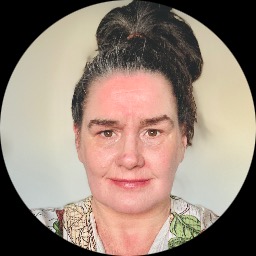
Jennifer Cromar, BACP
18 years in practice
Jennifer Cromar is a counsellor with BACP registration and 18 years of experience in the United Kingdom.
License and registration
- BACP
- 379649 · expires October 2026
- Years in practice
- 18
- Languages
- English
Details are as listed on the therapist's public professional profile. You can check the registration with the body that granted it.
About Jennifer
Jennifer Cromar is a counsellor with BACP registration and 18 years of experience in the United Kingdom. She supports people who are feeling overwhelmed by stress, anxiety or depression and those dealing with trauma, abuse or big life changes. She also helps with parenting concerns and related strains.
Her approach is practical and person-focused. Sessions are adapted to each individual's needs and may include talking, reflective exercises, or creative work like writing and art.
Background and approach
She aims to be respectful, sensitive and compassionate in conversation. Jennifer often uses Emotionally-Focused Therapy ideas to help people notice and name strong emotions and the patterns those feelings create. She also draws on Client-Centred and Cognitive Behavioral Therapy tools when those methods suit a person's goals.
This mix lets her balance emotional exploration with practical steps for change. Her background includes long-term work supporting people through grief, adjustment and identity concerns, and she has experience with attachment and abandonment issues. She has also worked with people facing chronic illness, caregiver stress and body image worries.
People who prefer an encouraging, down-to-earth style tend to do well with her. She can tailor sessions for those who like to use creative activities as part of therapy. The first conversations focus on what matters most to the client and on small, manageable steps forward.
Focus areas and approaches
Everything Jennifer lists on their public professional profile, in their own terms.
- Stress, Anxiety
- Trauma and abuse
- Parenting issues
- Depression
- Coping with life changes
- Abandonment
- Adoption and foster care
- Aging and geriatric issues
- Antisocial personality
- Attachment issues
- Autism and Asperger Syndrome
- Avoidant personality
- Blended family issues
- Body image
- Cancer
- Caregiver issues and stress
- Chronic pain, illness, and disability
- Co-morbidity
- Codependency
- Commitment issues
- Communication problems
- Control issues
- Coping with natural or human-caused disaster
- Dependent personality
- Dissociation
- Divorce and separation
- Domestic violence
- Drug and alcohol addiction
- Eating and food-related issues
- Emptiness
- Family of origin issues
- Family problems
- Fatherhood issues
- Fertility issues
- First responder issues
- Forgiveness
- Gender dysphoria
- Guilt and shame
- Hearing impaired
- HIV / AIDS
- Hoarding
- Hospice and end-of-life counseling
- Immigration issues
- Impulsivity
- Infidelity
- Intellectual disability
- Isolation / loneliness
- Jealousy
- Life purpose
- Midlife crisis
- Money and financial issues
- Mood disorders
- Narcissism
- Obsessions, compulsions, and OCD
- Panic disorder and panic attacks
- Paranoia
- Personality disorders
- Phobias
- Postpartum depression
- Post-traumatic stress
- Pregnancy and childbirth
- Prejudice and discrimination
- Process addiction (porn, exercise, gambling)
- Seasonal Affective Disorder (SAD)
- Self-harm
- Self-love
- Sex addiction
- Sexual assault and abuse
- Sexual dysfunction
- Sexuality
- Smoking / vaping cessation
- Social anxiety and phobia
- Traumatic brain injury
- Trichotillomania
- Visually impaired
- Women's issues
- Workplace issues
- Young adult issues
Approaches Jennifer names
- Emotionally-Focused Therapy (EFT)
- Client-Centered Therapy
- Cognitive Behavioral Therapy (CBT)
- Existential Therapy
- Jungian Therapy
- Mindfulness Therapy
- Psychodynamic Therapy
- Solution-Focused Therapy
- Trauma-Focused Therapy
Naming an approach is not evidence of training in it. This directory copies what each therapist lists and does not check training records.
Online support
Online approaches that focus on feeling and change
Jennifer uses Emotionally-Focused Therapy to help people notice and name strong feelings and the patterns those feelings create, which can be useful for resolving painful emotional cycles. She also draws on Client-Centred Therapy, which focuses on listening, empathy and helping the person lead the conversation to what matters most. Cognitive Behavioral Therapy is used when practical strategies are helpful, for example to change unhelpful thoughts and behaviours that fuel anxiety or low mood.Finding the right mix of approaches is part of the work. The therapist will discuss goals and preferences and together decide which methods to try. This collaborative process means the plan can change as needs evolve and as progress is made.
Online sessions are offered via video calls, phone, live chat or text-based messaging to provide flexibility. Video calls allow face-to-face conversation and visual cues, phone sessions can fit into a short break or use less bandwidth, chat works well for brief check-ins, and messaging can suit people who prefer to write between sessions. These options make it easier to fit therapy around work, family life and mobility constraints while keeping the focus on practical steps and emotional insight.
We will earn a commission if you sign up through our link, at no cost to you. It does not change what you pay or the order of the listings.
Questions people ask
What concerns does she help with?
She works with stress, anxiety, depression, trauma and abuse, parenting concerns and coping with life changes. Additional areas include attachment, abandonment, chronic illness and caregiver stress.
What is her therapeutic style like?
Her style is warm, respectful and practical. She combines emotional exploration with concrete tools so conversations lead to manageable change.
How long has she practised?
She has 18 years of professional experience working with people across a range of concerns and life stages.
What credentials and location are listed?
She is registered with the British Association for Counselling and Psychotherapy (BACP) and works in the United Kingdom.
Which languages are supported?
Sessions are offered in English only.
What session formats are available?
Sessions can take place via video calls, phone sessions, live chat or text-based messaging.
How much do sessions cost?
Cost varies with location and therapist availability; sessions use a subscription that can be cancelled at any time.
How do I begin working with her?
Choose the Start Therapy button, complete a short matching questionnaire, and then schedule according to therapist availability.
Is this your profile?
Ask us to correct details or take the page down.
Contact us