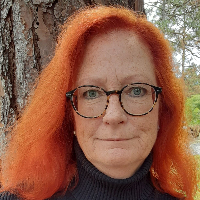
Heather Raymo, LCSW
Colorado · 29 years in practice
Heather Raymo is a Licensed Clinical Social Worker (LCSW) practicing in Colorado with nearly three decades of experience.
License and registration
- LCSW, Colorado
- 00992223 · expires August 2027
- NPI
- 1164041885 · national provider identifier
- Years in practice
- 29
- Languages
- English
Details are as listed on the therapist's public professional profile. You can check the license with the issuing state board, and the NPI with the national registry.
About Heather
Heather Raymo is a Licensed Clinical Social Worker (LCSW) practicing in Colorado with nearly three decades of experience. She focuses on helping people who are dealing with stress, anxiety, grief, trauma, and life transitions. Heather listens closely and works with each person to set clear, manageable goals that fit their life.
Heather draws on several approaches to tailor sessions to each person's needs. She uses Emotionally-Focused Therapy to help people identify and shift painful emotional patterns.
Background and approach
She also uses Acceptance and Commitment Therapy and Cognitive Behavioral Therapy to teach practical skills for coping and decision-making. Her background includes work in independent practice, hospitals, hospice, home health, chronic pain services, and adoption settings. That variety informs how she views complex problems and supports people with medical, caregiving, or adjustment-related stress.
Heather combines a warm, direct style with logical problem solving. Sessions often include talking through emotional patterns, practicing new ways of responding, and setting concrete steps to try between meetings. She also brings experience with hypnotherapy when appropriate.
Outside of work she enjoys hiking, camping, swimming, boating, gardening, and reading. She values a collaborative approach and aims to make the first steps into therapy feel clear and achievable.
Focus areas and approaches
Everything Heather lists on their public professional profile, in their own terms.
- Stress, Anxiety
- Family conflicts
- Trauma and abuse
- Grief
- Coping with life changes
- Addictions
- Relationship issues
- Intimacy-related issues
- Eating disorders
- Sleeping disorders
- Parenting issues
- Anger management
- Self esteem
- Career difficulties
- Bipolar disorder
- Depression
- Coaching
- Compassion fatigue
- ADHD
- Abandonment
- Adoption and foster care
- Aging and geriatric issues
- Body image
- Cancer
- Caregiver issues and stress
- Chronic pain, illness, and disability
- Co-morbidity
- Codependency
- Commitment issues
- Communication problems
- Control issues
- Coping with natural or human-caused disaster
- Dependent personality
- Dissociation
- Divorce and separation
- Domestic violence
- Eating and food-related issues
- Emptiness
- Family of origin issues
- Family problems
- Fatherhood issues
- First responder issues
- Forgiveness
- Guilt and shame
- Hoarding
- Hospice and end-of-life counseling
- Isolation / loneliness
- Jealousy
- Life purpose
- Midlife crisis
- Money and financial issues
- Mood disorders
- Multicultural concerns
- Obsessions, compulsions, and OCD
- Panic disorder and panic attacks
- Paranoia
- Postpartum depression
- Post-traumatic stress
- Pregnancy and childbirth
- Seasonal Affective Disorder (SAD)
- Self-harm
- Self-love
- Sexual assault and abuse
- Social anxiety and phobia
- Somatization
- Trichotillomania
- Women's issues
- Workplace issues
Approaches Heather names
- Emotionally-Focused Therapy (EFT)
- Acceptance and Commitment Therapy (ACT)
- Client-Centered Therapy
- Cognitive Behavioral Therapy (CBT)
- Hypnotherapy
- Mindfulness Therapy
- Solution-Focused Therapy
- Trauma-Focused Therapy
Naming an approach is not evidence of training in it. This directory copies what each therapist lists and does not check training records.
Online support
How therapeutic approaches translate to online care
Emotionally-Focused Therapy (EFT) helps people notice and change painful emotional patterns in relationships and personal life. Online sessions using EFT focus on naming feelings, tracking how emotions shape behavior, and practicing new ways of responding to intense emotions.Acceptance and Commitment Therapy (ACT) teaches skills to accept difficult thoughts and commit to actions that match personal values. In teletherapy this often looks like short experiential exercises, values clarification, and simple behavioral experiments to try between sessions.
Client-Centered Therapy centers the person’s experience and emphasizes empathy and understanding. Delivered online, this approach creates space for clients to tell their story while the therapist reflects and helps them find their own solutions.
Choosing the right approach is part of the work. The therapist will collaborate with each person to identify which methods fit their goals, needs, and comfort level. That choice can shift over time as new priorities emerge.
Online therapy offers practical flexibility. Video calls let people work face-to-face from different locations. Phone sessions can be easier when video is difficult or bandwidth is limited. Live chat and text-based messaging allow brief check-ins, written reflections, or faster follow-up between sessions. These options make it simpler to fit therapy into a busy life and to keep progress moving forward.
We will earn a commission if you sign up through our link, at no cost to you. It does not change what you pay or the order of the listings.
Questions people ask
What concerns does Heather commonly address?
She works with stress, anxiety, depression, grief, trauma, relationship and intimacy issues, addiction, eating and sleeping problems, parenting concerns, anger, self esteem, bipolar disorder, ADHD, and related life changes.
What is her therapeutic style like?
Her style blends emotion-focused work with practical skills. Sessions balance listening and emotional exploration with concrete techniques from CBT and ACT to manage thoughts and behaviors.
How long has she practiced?
Heather has 29 years of professional experience across settings such as independent practice, hospitals, hospice, home health, chronic pain services, and adoption work.
What credentials and location should I know about?
She is a Licensed Clinical Social Worker (LCSW) licensed in Colorado and sees clients based in that state.
Which languages are supported for sessions?
Sessions are offered in English.
Can people outside the United States work with her?
She does not accept international clients at this time.
What session formats are available online?
Heather offers video calls, phone sessions, live chat, and text-based messaging to suit different schedules and communication preferences.
How do fees and getting started work?
Cost varies with location and uses a subscription model that can be canceled at any time. To begin, select the Start Therapy button, complete a short matching questionnaire, and schedule according to the therapist's availability.
More therapists in Colorado
See all
Heather Friend
LCSW, CSW
Warm, practical therapy for emotional clarity
- Stress, Anxiety
- Relationship
- Trauma and abuse

Kelley Sullivan
LCSW
Compassionate therapy for emotional and relational challenges
- Stress, Anxiety
- Relationship
- Trauma and abuse

Dr. Wanetta "Nita" Hughes Bise
LPC
Steady, practical counseling in Colorado
- Relationship
- Trauma and abuse
- Parenting

Is this your profile?
Ask us to correct details or take the page down.
Contact us