Colorado 20 years in practice
Clinical social work directory
Therapists in Colorado
100 therapists in this directory hold a licence issued in Colorado and name systemic therapy among their approaches. Sessions are online; a US therapist can usually only see people in a state where they hold a licence, so check the credentials panel on each profile.
Welcome to EFT Therapists' directory for online therapy in Colorado. All therapists listed hold Colorado licenses, and you can explore profiles to learn about their approaches, credentials, languages and experience.
Use the listings below to compare therapists by focus area and approach, then follow the steps in our guide to connect and begin care that feels right for you.

Heather Friend
LCSW, CSW
Warm, practical therapy for emotional clarity
- Stress, Anxiety
- Relationship
- Trauma and abuse
Colorado 8 years in practice

Kelley Sullivan
LCSW
Compassionate therapy for emotional and relational challenges
- Stress, Anxiety
- Relationship
- Trauma and abuse
Texas 19 years in practice

Dr. Wanetta "Nita" Hughes Bise
LPC
Steady, practical counseling in Colorado
- Relationship
- Trauma and abuse
- Parenting
Colorado 17 years in practice
Jai Pitre
LCSW, CSW
Therapist focused on emotion and action
- Stress, Anxiety
- Trauma and abuse
- Self esteem
Colorado 12 years in practice

Dr. Lori Graham
LPC
Experienced counselor focused on emotion and change
- Stress, Anxiety
- Self esteem
- Depression
Colorado 31 years in practice

Kelsey Goss
LPC
Compassionate, goal-focused counseling for emotional struggles
- Stress, Anxiety
- Trauma and abuse
- Grief
Colorado 7 years in practice

David Stewart
LPC
Practical emotional work for real-life change
- Stress, Anxiety
- Addictions
- Relationship
Colorado 20 years in practice

Nicole Porter
LCSW, CSW
Supportive therapist for emotional and relationship struggles
- Stress, Anxiety
- Relationship
- Family
Colorado 20 years in practice

Linda Seibert
LPC
Direct, goal-focused counselor for relationships and stress
- Stress, Anxiety
- Relationship
- Intimacy-related issues
Colorado 15 years in practice

Cory Schortzman
LPC, LIMHP
Relationship and addiction-focused counselor
- Stress, Anxiety
- Addictions
- Relationship
Colorado 26 years in practice

Jonathan Cottrell
LCSW, CSW
Practical therapy for emotional struggles
- Stress, Anxiety
- Addictions
- Relationship
Colorado 9 years in practice

Kimberley Roberts
LCSW, CSW
Practical, emotion-focused therapy for life's challenges
- Stress, Anxiety
- Relationship
- Family
Colorado 3 years in practice
Jamie Finkelstein
LPC
Emotion-focused care for life’s hard moments
- Stress, Anxiety
- LGBT
- Trauma and abuse
Colorado 11 years in practice

Patricia (Pat) La Plante
LPC
Compassionate counselor for grief and crisis
- Stress, Anxiety
- Trauma and abuse
- Grief
Colorado 31 years in practice

Layla Hernandez
LPC, LMHC
Compassionate, experience-based therapy for life challenges
- Stress, Anxiety
- Trauma and abuse
- Grief
Colorado 10 years in practice

Susan Mount
LPC
Warm, steady counselor focused on relationships
- Stress, Anxiety
- Trauma and abuse
- Grief
Colorado 22 years in practice
David Ramstad
LMFT
Supportive therapist with practical guidance
- Stress, Anxiety
- Addictions
- Relationship
Colorado 22 years in practice

Joe Bray
LPC
Experienced counselor focused on emotion and action
- Stress, Anxiety
- Addictions
- Trauma and abuse
Colorado 9 years in practice

Colorado 16 years in practice
Dr. Morris Lewis
CO Psychologist
Practical, emotion-focused therapy for real life struggles
- Stress, Anxiety
- Addictions
- Relationship
Colorado 25 years in practice
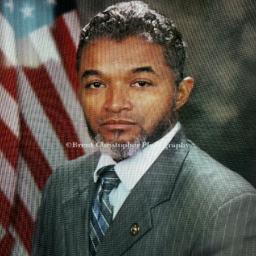
Colorado 18 years in practice

Nikki Ciletti
LPC
Practical emotional work for life's transitions
- Stress, Anxiety
- Addictions
- Parenting
Colorado 24 years in practice
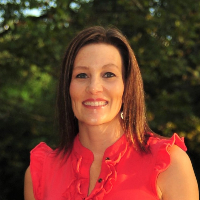
Christine Heikkenen-Black
LPC
Compassionate counselor focusing on emotional connection
- Relationship
- Family
- Career
Colorado 9 years in practice

Karensa Lewis
LCSW, CSW
Compassionate relational therapy for life's hard moments
- Relationship
- Family
- Trauma and abuse
Colorado 30 years in practice

Gregory Sims
LPC
Action-focused counselor who uses therapy and coaching
- Stress, Anxiety
- Relationship
- Family
Colorado 12 years in practice

Robert Taylor
LPC, LPCC
Experienced counselor focused on relationships and coping
- Stress, Anxiety
- Addictions
- Relationship
Colorado 40 years in practice

Dr. Michael Black
CO Psychologist
Guided, practical therapy for life and relationships
- Stress, Anxiety
- Relationship
- Family
Colorado 20 years in practice

Dr. Ashley Ascherl Pechek
LPC
Compassionate counselor specializing in relationships
- Relationship
- Family
- Self esteem
Colorado 15 years in practice

Texas 6 years in practice

Diane Winn-Clouse
LPC
Calm, experienced counselor helping people navigate change
- Stress, Anxiety
- Relationship
- Intimacy-related issues
Colorado 25 years in practice
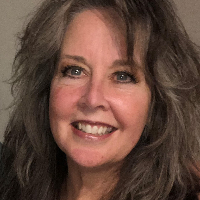
Karen House
LPC, LPCC
Practical, emotion-focused therapy for real problems
- Stress, Anxiety
- Addictions
- Trauma and abuse
Colorado 25 years in practice
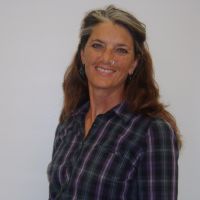
Colorado 7 years in practice

Nicole Forester
LPC, LPCC
Compassionate listener helping you find your voice
- Stress, Anxiety
- Addictions
- Trauma and abuse
California 16 years in practice
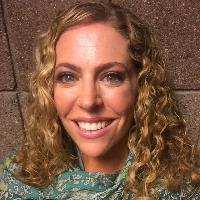
Kim Miller
LCSW
Practical, emotionally focused therapy for adults
- Stress, Anxiety
- Trauma and abuse
- Grief
Colorado 20 years in practice
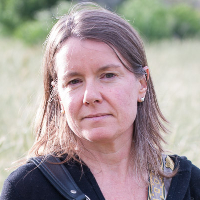
Colorado 5 years in practice

Susan Jordan-Kertzner
LPC
Supportive counselor for stress and relationships
- Stress, Anxiety
- Relationship
- Self esteem
Colorado 19 years in practice
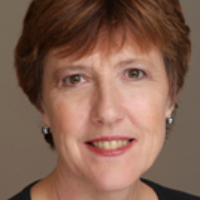
Michael Brackett
LPC
Grounded therapy for meaning and connection
- Stress, Anxiety
- Relationship
- Trauma and abuse
Colorado 15 years in practice

Ewa Godinez
LPC
Calm, practical counseling for life’s hard moments
- Stress, Anxiety
- Addictions
- Trauma and abuse
Colorado 5 years in practice

Dr. Nina Rathmann
LCSW, CSW
Compassionate, practical therapy for life's challenges
- Stress, Anxiety
- Family
- Grief
Colorado 25 years in practice

Lorraine "Lorrie" Urbaniak
LMFT
Rebuild your sense of self and direction
- Self esteem
- Career
- Coping with life changes
Colorado 13 years in practice

Colorado 7 years in practice

Colorado 15 years in practice

Brynn Lay
LPC
Compassionate, pragmatic counseling for emotional struggle
- Stress, Anxiety
- LGBT
- Trauma and abuse
Colorado 7 years in practice

Crystal Forget
LCSW, CSW
Emotion-focused therapy with practical skills
- Stress, Anxiety
- Addictions
- Relationship
Colorado 3 years in practice

Cary Truley
LPC
Compassionate, practical counseling for everyday life
- Stress, Anxiety
- LGBT
- Self esteem
Colorado 8 years in practice

Barbara Mutagamba
LCSW, CSW
Compassionate therapist for relationship and trauma healing
- Stress, Anxiety
- Relationship
- Family
Colorado 5 years in practice

Andrew Fralick
LPC
Practical, collaborative counseling for life's hard moments
- Stress, Anxiety
- Anger
- Depression
Colorado 7 years in practice

Some links on this page are partner links. We will earn a commission if you sign up through one, at no cost to you. It does not change what you pay or the order of the listings.
Overview of Online Therapy in Colorado
Online therapy has become a common option for people across Colorado, from urban neighborhoods to mountain towns and rural valleys. Many licensed mental health professionals offer services through video sessions, phone calls and text-based messaging, creating flexible ways for you to meet with a clinician without travel. State licensing boards set the rules that govern who may provide therapy to Colorado residents and how teletherapy is delivered, so clinicians who work online must follow those regulations in addition to professional ethics. Because rules and practice models can change, it helps to look for therapists whose profiles clearly list their licensure, areas of focus and the formats they use for online sessions. That transparency makes it easier for you to find someone whose approach and practical arrangements align with your needs.
Online therapy is not a single model - it is a way of delivering care that can incorporate many different theoretical approaches and techniques. On any given profile you will see therapists who list an array of approaches among their methods, and you can choose a clinician based on the kinds of issues they address, the languages they speak and the populations they work with. If you live in Colorado but travel frequently or split time between locations, an online format can provide continuity, though interstate practice rules can affect cross-state care. When in doubt, confirm licensure and the geographic limits a therapist observes before beginning work together.
Benefits of Online Therapy for Colorado Residents
When you choose online therapy, you gain access to a broader pool of therapists than what might be available locally. That can be especially meaningful in parts of Colorado where there are fewer in-person options. You may find clinicians who speak your language, who focus on your specific concern, or who use approaches that resonate with you. The convenience of meeting from home or another familiar location can make it easier to fit sessions into a busy week, and it reduces the need for winter travel over mountain passes or long commutes.
Online therapy can also support practical continuity. If you move within the state, relocate temporarily for work, or need to stay home because of caregiving responsibilities, you may be able to maintain the same therapeutic relationship without interruption. The format often allows for more flexible scheduling and, in some cases, shorter gaps between sessions when issues arise. Another benefit is the ability to attend sessions from a place where you feel comfortable, which can help you open up more quickly and focus on the work at hand. Remember that the quality of the therapeutic connection depends on fit as much as format - finding a clinician you feel understood by will matter whether sessions happen in person or online.
Issues Online Therapists in Colorado Commonly Help With
Online therapists in Colorado commonly help with a wide range of concerns. People often turn to therapy for anxiety, depression, stress management, relationship challenges, grief and life transitions. Therapists also support individuals facing workplace stress, parenting challenges, identity-related concerns and the emotional impacts of chronic health conditions. If you are navigating trauma or loss, many clinicians work with those issues online and list relevant approaches among their methods. Couples therapy and family-focused work is available online in many practices, though the dynamics of relationship sessions in a remote format may require some additional planning around scheduling and participation.
On therapist profiles you will notice that some clinicians list cognitive behavioral therapy, dialectical strategies, narrative approaches and other methods among their approaches. You may also find therapists who list EMDR among their approaches and others who list internal family systems among their approaches. Those listings indicate what clinicians typically draw on in their work, but they do not constitute proof of specific certification or training beyond what the profile shows. When exploring profiles, look for descriptions of the kinds of problems clinicians commonly address and the populations they serve, because that will give you a sense of whether a therapist’s experience aligns with your presenting concerns.
How to Verify a Therapist's License in Colorado
Verifying a therapist’s license is an important step in choosing a clinician. You can start by looking at the therapist’s profile for a license type and number. Most Colorado clinicians will list the type of license they hold, such as a licensed professional counselor, social worker, marriage and family therapist or psychologist, along with identifying information. With that information in hand, you can use Colorado’s state licensing resources to confirm the current status of the license, any public disciplinary history and expiration dates. State websites typically offer an online license lookup tool where you can enter a name or license number to see official records.
If you prefer, you can contact the relevant licensing board directly to ask about the scope of practice for a particular license type. Boards can explain what each license allows a clinician to do within Colorado and whether there have been public actions. Checking licensure also helps you understand whether the clinician is authorized to provide online therapy in the state. If you do not find clear information on a profile, it is reasonable to request a license number from a clinician before beginning work so that you can perform your own verification. Verifying licensure is a practical way to confirm credentials that matter to your informed decision-making.
How to Get Started and Tips for Choosing the Right Therapist
Getting started with an online therapist begins with clarifying what you hope to address in therapy. Spend a few moments thinking about the issues that feel most pressing, the kinds of approaches you prefer and any practical constraints such as language, scheduling windows and whether you need to use insurance. Use the directory profiles to narrow your search by focus areas, approaches, credentials and languages. When you contact a therapist, either by email or phone, you can ask a short set of questions to determine fit. Asking about the clinician’s experience with your concern, the formats they use for sessions, typical session length and fees can help you evaluate whether to move forward.
Payment and Insurance
Cost is an important consideration. Many therapists list whether they accept insurance, offer a sliding fee scale or work on a personal-pay basis. If you plan to use insurance, check both your benefits and the clinician’s listed billing arrangements because insurance reimbursement can depend on license type and the services billed. You can contact your insurance company to confirm what mental health benefits are available and whether out-of-network reimbursement is an option. If paying out of pocket, ask about session length, cancellation policies and any packages some clinicians may offer. Clear conversation about money before beginning work helps avoid surprises later.
Technical Setup and What to Expect
Before your first online session, choose a quiet space where you feel comfortable and will not be interrupted. Make sure your internet connection, camera and microphone work and that you understand which video platform the clinician uses. Many therapists provide a brief orientation or intake form that outlines the session structure and practical policies; reading those materials ahead of time will help you feel prepared. If you have questions about technology, ask the clinician to explain how sessions are conducted and what to do if a connection drops. Feeling confident about the technical side lets you focus on the therapeutic work when the session begins.
Choosing the right therapist often involves a combination of objective and subjective factors. Review profiles for areas of experience, approaches and languages, and then trust your instincts about rapport. It is normal to speak with more than one clinician before settling on the person you want to work with. A good working relationship is built over time, but an initial conversation should give you a sense of whether the clinician listens, understands your goals and explains their approach in a way that feels helpful. If you find the match is not right, it is okay to try someone else until you find a good fit.
Online therapy in Colorado offers many pathways for finding support that fits your life. By verifying licensure, reviewing profiles thoughtfully and preparing for the practical aspects of remote sessions, you can build a therapeutic relationship that helps you move toward your goals. Use the directory listings to start exploring clinicians who match your needs and reach out when you are ready to begin.