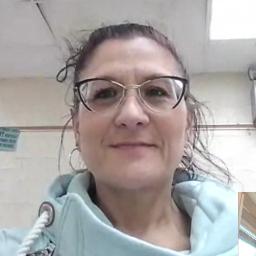
Amy Montoya, LPC
Colorado · 16 years in practice
Amy Montoya is a Licensed Professional Counselor (LPC) based in Colorado with 16 years of clinical experience.
License and registration
- LPC, Colorado
- LPC.0013922 · expires August 2027
- NPI
- 1770816696 · national provider identifier
- Years in practice
- 16
- Languages
- English
Details are as listed on the therapist's public professional profile. You can check the license with the issuing state board, and the NPI with the national registry.
About Amy
Amy Montoya is a Licensed Professional Counselor (LPC) based in Colorado with 16 years of clinical experience. She approaches therapy with respect, sensitivity, and compassion. Amy aims to tailor conversations and care to each person's needs and goals.
She has a long background in social services, including a decade as a nursing home Social Services Director. That work gave her experience with caregiving stress, aging concerns, chronic illness, and complex care systems.
Background and approach
Those years shaped her practical style and attention to life-stage challenges. Amy works with a wide range of concerns such as trauma and abuse, depression, anxiety, stress, addiction, grief, and self-esteem. She also helps people facing relationship strain, intimacy questions, parenting challenges, and issues tied to identity including LGBT-related concerns.
Amy supports people navigating major life changes and coping challenges. Her practice draws from several therapeutic approaches. She uses Emotionally-Focused Therapy to look at emotional patterns in relationships, Client-Centered Therapy to make sessions collaborative and person-led, and Cognitive Behavioral Therapy to identify and shift unhelpful thoughts and behaviors.
She also uses DBT skills and EMDR where they fit the work. Amy describes therapy as a partnership where small steps add up. She helps people set practical goals and build skills for everyday life.
If someone wants focused support that combines emotional insight and concrete strategies, she offers that blend in sessions.
Focus areas and approaches
Everything Amy lists on their public professional profile, in their own terms.
- LGBT
- Family conflicts
- Trauma and abuse
- Depression
- Stress, Anxiety
- Addictions
- Relationship issues
- Grief
- Intimacy-related issues
- Eating disorders
- Parenting issues
- Anger management
- Self esteem
- Bipolar disorder
- Coping with life changes
- Coaching
- Compassion fatigue
- ADHD
- Abandonment
- Adoption and foster care
- Aging and geriatric issues
- Antisocial personality
- Attachment issues
- Avoidant personality
- Blended family issues
- Body image
- Caregiver issues and stress
- Chronic pain, illness, and disability
- Codependency
- Dependent personality
- Dissociation
- Divorce and separation
- Domestic violence
- Family problems
- Fatherhood issues
- Forgiveness
- Gender dysphoria
- Guilt and shame
- Isolation / loneliness
- Men's issues
- Midlife crisis
- Mood disorders
- Narcissism
- Polyamory / non-monogamous relationships
- Post-traumatic stress
- Seasonal Affective Disorder (SAD)
- Self-harm
- Self-love
- Sexuality
- Social anxiety and phobia
- Visually impaired
- Women's issues
- Workplace issues
- Young adult issues
Approaches Amy names
- Emotionally-Focused Therapy (EFT)
- Client-Centered Therapy
- Cognitive Behavioral Therapy (CBT)
- Dialectical Behavior Therapy (DBT)
- Eye Movement Desensitization and Reprocessing (EMDR)
- Mindfulness Therapy
- Motivational Interviewing
- Narrative Therapy
- Solution-Focused Therapy
- Trauma-Focused Therapy
Naming an approach is not evidence of training in it. This directory copies what each therapist lists and does not check training records.
Online support
Approaches that guide online sessions
Amy uses Emotionally-Focused Therapy to help people notice and shift patterns in how they respond to emotions, especially in close relationships. EFT can help with strong emotional reactions and recurring relationship cycles that leave people feeling stuck.She also uses Client-Centered Therapy, which makes the sessions collaborative and led by the person’s priorities. That approach focuses on active listening and building a trusting connection so clients can explore what matters most to them.
In addition, Cognitive Behavioral Therapy is used to identify thought patterns that contribute to distress and to practice concrete changes in behavior. CBT is often helpful for anxiety, depression, and stress-related problems.
Finding the right mix of approaches is part of the work. The therapist will talk with each person about goals, preferences, and how they react to different methods. Together they decide what to try first and adjust the plan over time based on what helps.
Online formats offer flexibility for fitting therapy into a busy life. Video calls allow face-to-face conversation when deeper emotional work is needed. Phone sessions can be a good option when bandwidth is limited or a simpler check-in is preferred. Live chat and text-based messaging let people send short updates, ask questions between sessions, or use therapy during breaks in the day. These options make it easier to maintain steady progress without major schedule disruptions.
We will earn a commission if you sign up through our link, at no cost to you. It does not change what you pay or the order of the listings.
Questions people ask
What kinds of concerns can be addressed in sessions?
Amy helps with trauma and abuse, depression, anxiety, stress, addictions, grief, relationship and intimacy issues, eating and body image concerns, parenting strain, ADHD, and related topics listed in her specialties.
How does she approach therapy and the therapeutic relationship?
Sessions blend Emotionally-Focused Therapy to explore emotions, Client-Centered methods to keep the work collaborative, and Cognitive Behavioral tools to change unhelpful thoughts and behaviors.
What is her professional background?
She has 16 years of professional experience and spent 10 years as a Social Services Director in a nursing home setting, which informs her work with caregiving and aging issues.
Where is she licensed and based?
She is a Licensed Professional Counselor (LPC) licensed in Colorado and practices from that location.
Does she work in other languages or accept international clients?
Sessions are offered in English and she does not accept international clients at this time.
What session formats are available for online work?
She offers video calls, phone sessions, live chat, and text-based messaging as ways to meet remotely.
How are sessions billed and what does it cost?
Cost varies with location and therapist availability; sessions use a subscription model that can be canceled at any time.
How do I begin working with her?
Click the Start Therapy button, complete a short matching questionnaire, and schedule according to therapist availability.
More therapists in Colorado
See all
Heather Friend
LCSW, CSW
Warm, practical therapy for emotional clarity
- Stress, Anxiety
- Relationship
- Trauma and abuse

Kelley Sullivan
LCSW
Compassionate therapy for emotional and relational challenges
- Stress, Anxiety
- Relationship
- Trauma and abuse

Dr. Wanetta "Nita" Hughes Bise
LPC
Steady, practical counseling in Colorado
- Relationship
- Trauma and abuse
- Parenting
Is this your profile?
Ask us to correct details or take the page down.
Contact us