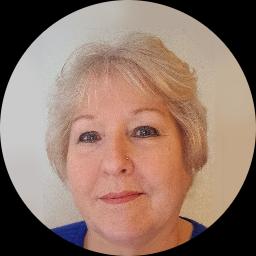
Tina Dale, NCPS
4 years in practice
Tina Dale uses Emotionally-Focused Therapy to help people connect with their emotions and understand patterns that shape their relationships and wellbeing.
License and registration
- NCPS
- NCPS267 · expires February 2026
- Years in practice
- 4
- Languages
- English
Details are as listed on the therapist's public professional profile. You can check the registration with the body that granted it.
About Tina
Tina Dale uses Emotionally-Focused Therapy to help people connect with their emotions and understand patterns that shape their relationships and wellbeing. She offers calm, attentive support for worries such as anxiety, depression, grief and stress. Tina introduces practical ways to cope and small changes that can make daily life easier.
She keeps sessions straightforward and focused on what matters to the person in front of her. Conversations look at feelings, memories and behaviours to find what is keeping someone stuck.
Background and approach
Tina draws on a mix of approaches to match each person’s needs rather than using a single method for everyone. Her work addresses a wide range of concerns including trauma and abuse, addiction, intimacy-related issues, eating and sleeping problems, parenting strains, and career stress. She also helps with attachment issues, abandonment, codependency and support around chronic illness or caregiving stress.
Tina pays attention to how past experiences affect present choices and relationships. Tina brings four years of clinical experience to her counselling and holds the NCPS credential. This means she meets the registration details supplied in her biography.
She practices in the United Kingdom and conducts sessions in English. Practical options include video calls, phone sessions, live chat or text messaging so people can choose what fits their routine. To begin, clients complete a short matching questionnaire and schedule sessions according to the process provided.
Focus areas and approaches
Everything Tina lists on their public professional profile, in their own terms.
- Stress, Anxiety
- Relationship issues
- Trauma and abuse
- Grief
- Depression
- Addictions
- LGBT
- Family conflicts
- Intimacy-related issues
- Eating disorders
- Sleeping disorders
- Parenting issues
- Anger management
- Self esteem
- Career difficulties
- Bipolar disorder
- Coping with life changes
- Coaching
- Compassion fatigue
- ADHD
- Abandonment
- Adoption and foster care
- Aging and geriatric issues
- Attachment issues
- Autism and Asperger Syndrome
- Avoidant personality
- Blended family issues
- Body image
- Cancer
- Caregiver issues and stress
- Chronic pain, illness, and disability
- Codependency
- Commitment issues
- Communication problems
- Control issues
- Coping with natural or human-caused disaster
- Dependent personality
- Disruptive Mood Dysregulation Disorder (DMDD)
- Divorce and separation
- Domestic violence
- Drug and alcohol addiction
- Eating and food-related issues
- Emptiness
- Family problems
- First responder issues
- Forgiveness
- Guilt and shame
- Hearing impaired
- Hoarding
- Hospice and end-of-life counseling
- Impulsivity
- Infidelity
- Intellectual disability
- Isolation / loneliness
- Jealousy
- Life purpose
- Men's issues
- Midlife crisis
- Money and financial issues
- Mood disorders
- Narcissism
- Obsessions, compulsions, and OCD
- Panic disorder and panic attacks
- Postpartum depression
- Post-traumatic stress
- Pregnancy and childbirth
- Process addiction (porn, exercise, gambling)
- Seasonal Affective Disorder (SAD)
- Self-harm
- Self-love
- Sexual assault and abuse
- Sexual dysfunction
- Sexuality
- Smoking / vaping cessation
- Social anxiety and phobia
- Trichotillomania
- Women's issues
- Workplace issues
- Young adult issues
Approaches Tina names
- Emotionally-Focused Therapy (EFT)
- Acceptance and Commitment Therapy (ACT)
- Attachment-Based Therapy
- Client-Centered Therapy
- Cognitive Behavioral Therapy (CBT)
- Dialectical Behavior Therapy (DBT)
- Existential Therapy
- Mindfulness Therapy
- Narrative Therapy
- Psychodynamic Therapy
- Solution-Focused Therapy
- Trauma-Focused Therapy
- Internal Family Systems
Naming an approach is not evidence of training in it. This directory copies what each therapist lists and does not check training records.
Online support
Emotion and action in online therapy
Tina uses Emotionally-Focused Therapy to help people notice and work with strong feelings that drive relationship patterns and personal distress. EFT focuses on how emotions shape reactions and connection, and it can help when someone feels stuck, disconnected or overwhelmed.She also draws on Acceptance and Commitment Therapy, which helps people name what matters to them and take small steps towards those values while learning to live with difficult thoughts. Attachment-Based Therapy is another influence, looking at how early relationship patterns affect trust, closeness and communication in adult life.
Finding the right approach is part of the work. The therapist will discuss options and decide collaboratively which methods fit a person’s goals and preferences. That collaborative process helps shape sessions so they feel relevant and achievable.
Online sessions can use video calls, phone sessions, live chat or text-based messaging. Video is useful for deeper conversational work, phone can suit shorter check-ins, live chat and messaging may help when people prefer to write or need flexible timing. These formats make it easier to fit therapy around work, family and travel while keeping the focus on progress and practical next steps.
We will earn a commission if you sign up through our link, at no cost to you. It does not change what you pay or the order of the listings.
Questions people ask
What kinds of issues does she help with?
She supports people with stress, anxiety, depression, grief and trauma along with relationship and intimacy-related issues. Additional areas include addiction, parenting strain, eating and sleeping concerns, career stress and ADHD.
What is her therapy style like?
Her style is warm and practical. She uses emotion-focused work alongside cognitive and acceptance-based tools to help clients understand feelings and try new ways of coping.
What experience does she bring?
She has four years of clinical experience working with a broad range of emotional and relational concerns. That experience shapes how she tailors sessions to a person’s needs.
What credentials and region are listed?
Her listed credential is NCPS and she practises in the United Kingdom as noted in the biography.
Which languages are sessions offered in?
Sessions are offered in English.
Can she work with international clients?
International clients are not currently accepted.
What session formats are available?
She offers video calls, phone sessions, live chat and text-based messaging so clients can pick what suits their schedule and communication needs.
How do I begin working with her?
Start by selecting the Start Therapy button, complete a short matching questionnaire, and then schedule sessions according to the process provided.
Is this your profile?
Ask us to correct details or take the page down.
Contact us