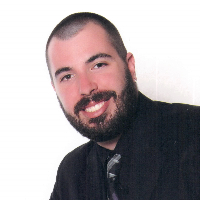
Lee Schlanger, LMHC
Florida · 5 years in practice
Lee Schlanger is a Florida licensed mental health counselor with five years of experience.
License and registration
- LMHC, Florida
- MH18548 · expires March 2027
- NPI
- 1346866035 · national provider identifier
- Years in practice
- 5
- Languages
- English
Details are as listed on the therapist's public professional profile. You can check the license with the issuing state board, and the NPI with the national registry.
About Lee
Lee Schlanger is a Florida licensed mental health counselor with five years of experience. He focuses on helping people who feel overwhelmed by anxiety, depression, grief, trauma, and addiction. Lee aims to create a calm, welcoming space where clients can begin to talk about what feels hardest.
His approach is warm and collaborative. Sessions start by identifying the most pressing concerns and building a trusting connection. Lee prefers to help people name and process strong emotions and then look for practical ways to cope day to day.
Background and approach
Lee draws on Emotionally-Focused Therapy and attachment-based thinking to help people understand how relationships and early bonds shape feelings and reactions. He also uses client-centered methods and skills from cognitive behavioral and dialectical behavior therapies for concrete tools and behavior change. People can expect straightforward conversations, skill practice, and emotional reflection.
Lee emphasizes listening without judgment and working at a pace the person can manage. He aims to help clients find clearer direction, steadier emotion regulation, and better communication with others. Lee lives in Florida and offers sessions that fit modern schedules.
He enjoys outdoor activities and animals in his free time, and brings that relaxed energy into his therapeutic style.
Focus areas and approaches
Everything Lee lists on their public professional profile, in their own terms.
- Stress, Anxiety
- Addictions
- Trauma and abuse
- Grief
- Depression
- Relationship issues
- Family conflicts
- Intimacy-related issues
- Parenting issues
- Anger management
- Self esteem
- Bipolar disorder
- Coping with life changes
- Coaching
- Compassion fatigue
- ADHD
- Abandonment
- Attachment issues
- Body image
- Caregiver issues and stress
- Co-morbidity
- Codependency
- Commitment issues
- Communication problems
- Control issues
- Dissociation
- Domestic violence
- Drug and alcohol addiction
- Family of origin issues
- Family problems
- Fatherhood issues
- Forgiveness
- Guilt and shame
- Impulsivity
- Infidelity
- Intellectual disability
- Isolation / loneliness
- Jealousy
- Life purpose
- Men's issues
- Money and financial issues
- Mood disorders
- Multicultural concerns
- Obsessions, compulsions, and OCD
- Panic disorder and panic attacks
- Personality disorders
- Phobias
- Post-traumatic stress
- Process addiction (porn, exercise, gambling)
- Self-harm
- Self-love
- Sex addiction
- Sexual assault and abuse
- Sexual dysfunction
- Sexuality
- Social anxiety and phobia
- Somatization
- Traumatic brain injury
- Workplace issues
Approaches Lee names
- Emotionally-Focused Therapy (EFT)
- Attachment-Based Therapy
- Client-Centered Therapy
- Cognitive Behavioral Therapy (CBT)
- Dialectical Behavior Therapy (DBT)
- Gottman Method
- Mindfulness Therapy
- Motivational Interviewing
- Solution-Focused Therapy
- Somatic Therapy
- Trauma-Focused Therapy
Naming an approach is not evidence of training in it. This directory copies what each therapist lists and does not check training records.
Online support
Emotion and Attachment Work Online
Emotionally-Focused Therapy helps people notice and name strong feelings and use those emotions to guide change; it can be useful for grief, relationship distress, and processing trauma. Attachment-Based Therapy looks at how early bonds influence current reactions and patterns, and it helps people understand and shift repeating cycles in relationships.Finding the right approach is part of the process. The therapist will collaborate with each person to decide which methods fit best, based on goals and preferences. That team approach means techniques may shift as needs change over time.
Online work can make therapy easier to fit into a busy life. Video calls allow face-to-face conversation and visual cues. Phone sessions use less bandwidth and can be a good option for shorter check-ins. Live chat and text messaging offer quick access between sessions and a way to reflect without being on camera. These formats help people keep momentum and practice skills in everyday moments.
We will earn a commission if you sign up through our link, at no cost to you. It does not change what you pay or the order of the listings.
Questions people ask
What kinds of concerns does Lee address?
He supports people dealing with stress, anxiety, depression, grief, trauma, and addiction, plus related issues such as relationship or parenting strain and caregiving stress.
How would you describe his therapeutic style?
Sessions are warm and collaborative, with a focus on emotional connection and practical coping skills. He aims to listen without judgment and work at your pace.
What is his professional background?
Lee has five years of counseling experience and has worked with people facing mood concerns, substance issues, anger, and grief.
Where is he licensed and located?
He is a Florida licensed mental health counselor (LMHC) based in Florida.
Which language can sessions be held in?
Sessions are offered in English, and Lee accepts clients internationally.
What session formats are available?
Lee offers video calls, phone sessions, live chat, and text-based messaging to fit different schedules and needs.
How does cost and billing work?
Cost varies by location and therapist availability; sessions use a subscription model that can be canceled at any time.
What should I do to begin working with him?
Use the Start Therapy button, complete a short matching questionnaire, and schedule a session according to the therapist's availability.
More therapists in Florida
See all
Dedra McIntosh
LCSW
Emotion-focused care for everyday struggles
- Stress, Anxiety
- Relationship
- Trauma and abuse
Steven Carlson
LCSW
Compassionate, steady support for emotional healing
- Stress, Anxiety
- Relationship
- Family
Tomeccia Maxwell
LMHC
Calm, practical support for everyday challenges
- Stress, Anxiety
- Relationship
- Family
Is this your profile?
Ask us to correct details or take the page down.
Contact us