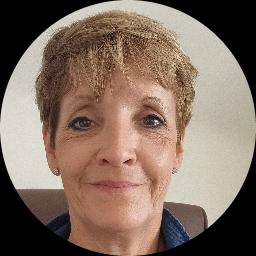
Karen Dodd, BACP
6 years in practice
Karen Dodd is a counsellor practising in the United Kingdom with a BACP accreditation and six years of professional experience.
License and registration
- BACP
- 392257 · expires April 2026
- Years in practice
- 6
- Languages
- English
Details are as listed on the therapist's public professional profile. You can check the registration with the body that granted it.
About Karen
Karen Dodd is a counsellor practising in the United Kingdom with a BACP accreditation and six years of professional experience. She focuses on everyday pressures like stress and anxiety, as well as life events such as bereavement and job loss. Her approach aims to help people feel heard and rebuild confidence during difficult transitions.
Karen draws on Emotionally-Focused Therapy alongside attachment-based and client-centred ways of working. In sessions she helps people name the emotions that are driving their reactions and understand how past relationships still shape current feelings.
Background and approach
This can be useful when grief, relationship strain or fears about the future are hard to manage. Practical concerns like work-related stress, redundancy, and balancing family life are part of her day-to-day work. She also has experience supporting people affected by cancer and those caring for someone with chronic illness.
Karen offers straightforward strategies for coping, alongside space to talk about loss and change. She has worked with neurodivergent people and can help with the anxiety that often accompanies that experience. Karen also supports people dealing with low self-esteem, motivation dips, body image worries and the emotional impact of ageing and life stage shifts.
Sessions are tailored to each person’s needs and paced collaboratively. She aims to bring respect, sensitivity and practical focus to conversations so people can feel steadier and clearer about their next steps.
Focus areas and approaches
Everything Karen lists on their public professional profile, in their own terms.
- Stress, Anxiety
- Relationship issues
- Grief
- Self esteem
- Coping with life changes
- Trauma and abuse
- Parenting issues
- Career difficulties
- Depression
- Abandonment
- Aging and geriatric issues
- Antisocial personality
- Attachment issues
- Autism and Asperger Syndrome
- Avoidant personality
- Blended family issues
- Body image
- Cancer
- Caregiver issues and stress
- Chronic pain, illness, and disability
- Co-morbidity
- Codependency
- Commitment issues
- Communication problems
- Control issues
- Coping with natural or human-caused disaster
- Dissociation
- Divorce and separation
- Domestic violence
- Drug and alcohol addiction
- Eating and food-related issues
- Emptiness
- Family of origin issues
- Family problems
- Fatherhood issues
- Fertility issues
- First responder issues
- Forgiveness
- Gender dysphoria
- Guilt and shame
- Hospice and end-of-life counseling
- Impulsivity
- Infidelity
- Intellectual disability
- Isolation / loneliness
- Jealousy
- Life purpose
- Men's issues
- Midlife crisis
- Money and financial issues
- Mood disorders
- Narcissism
- Panic disorder and panic attacks
- Phobias
- Postpartum depression
- Post-traumatic stress
- Pregnancy and childbirth
- Prejudice and discrimination
- Seasonal Affective Disorder (SAD)
- Self-harm
- Self-love
- Sexual assault and abuse
- Sexuality
- Social anxiety and phobia
- Women's issues
- Workplace issues
- Young adult issues
Approaches Karen names
- Emotionally-Focused Therapy (EFT)
- Attachment-Based Therapy
- Client-Centered Therapy
- Cognitive Behavioral Therapy (CBT)
- Mindfulness Therapy
- Psychodynamic Therapy
- Solution-Focused Therapy
Naming an approach is not evidence of training in it. This directory copies what each therapist lists and does not check training records.
Online support
How therapeutic approaches translate to online work
Emotionally-Focused Therapy helps people identify and name deep emotions that shape their reactions. Online sessions using EFT focus on recognising those feelings and practising new ways of responding to stress or relationship pain.Attachment-Based Therapy looks at how early relationships influence current patterns. In remote sessions the counsellor helps clients notice recurring ways of relating and try alternative responses that feel safer and more connected.
Client-Centred Therapy places the person's experience at the heart of the work. The counsellor offers empathic listening and gentle reflection so people can find their own solutions and regain confidence.
Finding the right approach is part of the process and the therapist will work with each person to choose what suits their goals and preferences. That choice is reviewed as therapy progresses so methods can be adjusted together.
Online formats include video calls, phone sessions, live chat and text-based messaging. Video calls are close to face-to-face conversation and let the counsellor watch non-verbal cues. Phone sessions can fit into a short break or use less bandwidth. Live chat and text messaging are useful for brief check-ins, written reflection or when typing feels easier than speaking. These options give practical flexibility for busy lives and different communication styles.
We will earn a commission if you sign up through our link, at no cost to you. It does not change what you pay or the order of the listings.
Questions people ask
What concerns does Karen help with?
She supports people with stress, anxiety, depression, grief and relationship difficulties. Other areas include parenting strain, career issues and coping with life changes.
What is Karen's therapeutic style?
Her style blends emotionally-focused and attachment-aware work with client-centred conversations. She also uses cognitive behavioural and mindfulness tools to teach practical coping skills.
How much experience does she have?
Karen brings six years of professional counselling experience, including voluntary work supporting people affected by cancer and their loved ones.
What credentials and location apply?
She holds BACP accreditation and works from the United Kingdom.
Which languages and international options are available?
Sessions are offered in English and she is not currently taking international clients.
What session formats are offered?
Therapy can take place by video call, phone session, live chat or text-based messaging depending on preference.
How is cost handled?
Cost varies with location and therapist arrangements; sessions use a subscription that can be cancelled at any time.
How do I begin a course of therapy?
Click the Start Therapy button, complete a short matching questionnaire, and schedule sessions according to the therapist's availability.
Is this your profile?
Ask us to correct details or take the page down.
Contact us