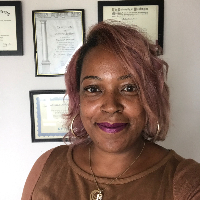
Dr. Heidi Duong
LMHC
Compassionate therapist helping you find greater life meaning
- Stress, Anxiety
- Trauma and abuse
- Eating
Washington 7 years in practice
Clinical social work directory
58 therapists in this directory hold a licence issued in Washington and name systemic therapy among their approaches. Sessions are online; a US therapist can usually only see people in a state where they hold a licence, so check the credentials panel on each profile.
Welcome to our directory for online therapists serving Washington. All therapists listed here are licensed in Washington, and you can explore profiles to learn about their approaches, credentials and language options. Use the listings below to begin connecting with clinicians who match the care you are seeking.
LMHC
Compassionate therapist helping you find greater life meaning
LMHC
Compassionate counselor focused on practical skills
LMHC
Emotion-focused counselor guiding real change
LMHC
Compassionate, practical therapy for life’s hard moments
LMHC
Emotion-focused counselor for emotional clarity
LMFT
Compassionate therapist for relationships and life changes
LICSW
Compassionate, practical support for life transitions
LICSW
Practical support for stress, grief, and relationship concerns
LMHC
Emotion-focused care with practical tools
LMFT
Compassionate therapist for stress and relationships
LMHC
Compassionate, practical counseling for real-life struggles
LMHC
Compassionate, emotion-focused therapy for adults
LMHC
Calm, direct counseling for relationship and eating concerns
LMHC
Practical, compassionate support for life changes
LICSW
Compassionate Emotion-Focused therapy with practical steps
LMHC
Compassionate, practical therapy for emotional change
LMHC
Compassionate therapist focusing on emotional connection
LMHC
Hope-focused counselor for emotional and relationship struggles
LMHC
Practical, emotion-focused counseling in Washington
LICSW
Compassionate, practical therapy focused on emotions
LMHC
Compassionate counselor focused on emotions and coping
LICSW
Therapist focused on emotion and connection
LICSW
Compassionate practical therapy for everyday struggles
LMFT
Compassionate relationship and life-change therapist
LMHC
Compassionate counselor helping people navigate life changes
LMFT
Calm, direct support for relationship and life stress
LMHC
Compassionate therapist using Emotionally-Focused Therapy
LICSW
Calm guidance for strong emotional change
LMHC
Compassionate, practical therapy for stress and relationships
LICSW
Grounded, emotion-focused therapy with practical tools
LMHC
Practical emotional therapy for anxiety and relationships
LMFT
Compassionate, practical therapy for everyday struggles
LMHC
Experienced LMHC focusing on practical care
LICSW
Calm support for stress, grief, and relationships
LMHC
Experienced holistic counselor for life's difficult moments
LMFT
Emotion-focused, attachment-aware therapist
LMFT
Compassionate, practical therapy for everyday strain
LMFT
Skilled, relational therapy for real-life struggles
LMFT
Therapist who focuses on emotional connection
LMFT
Warm, practical therapy for relationship and trauma concerns
LMHC
Compassionate counselor focused on emotions and action
Some links on this page are partner links. We will earn a commission if you sign up through one, at no cost to you. It does not change what you pay or the order of the listings.
Online therapy has become an established option for many people across Washington, from the coastal towns of the Puget Sound to inland communities. The shift toward remote care expanded over the past decade, and by 2026 you can find clinicians who work with adults, couples, families and adolescents through video and telehealth sessions. In Washington, state licensure governs how clinicians provide services across distances, and therapists who list online work in their profiles will often note the geographic scope they cover. You should expect to find practitioners who describe the approaches they use and the populations they serve, which makes it easier to identify someone whose focus aligns with your needs. While formats vary - live video, telephone, or a blend of methods - the common element is that you can pursue therapy without traveling to an office for every session. This can be particularly useful if you live in a rural area or have mobility and scheduling constraints that make in-person visits difficult.
Sessions typically follow a familiar structure: you and the therapist agree on session length and frequency, discuss goals, and use therapeutic techniques suited to your situation. Many clinicians will describe the approaches they use in their profiles - for example, therapists who list EFT among their approaches - and you can read those descriptions to understand whether their focus resonates with you. Payment models and insurance participation also vary, so reviewing profile details and any practice notes can help you plan the logistics of working together.
Online therapy offers several practical advantages that can make engagement with care easier and more consistent. First, it reduces travel time and removes geographic barriers, so you can access clinicians who may specialize in particular approaches or populations even if their office is hours away. Second, online sessions can create continuity when life circumstances change - if you move within the state or travel for work, you may be able to maintain the same therapeutic relationship. Third, scheduling flexibility tends to be greater with remote appointments, which can help you fit therapy into a busy week without sacrificing other commitments. Online therapy can also be helpful when childcare, transportation, or physical limitations make in-person visits challenging, allowing you to seek care from a comfortable environment at home or another personal place you choose.
Beyond logistics, some people find that the online setting changes the dynamic in constructive ways. You may feel more at ease meeting from your own space, or find that the screen-mediated interaction helps you focus on what you want to discuss. Therapists who list certain approaches may adapt their tools to video formats, using guided exercises, worksheets shared electronically, or mindful practices you can use between sessions. When considering online therapy, it is useful to think about what matters most to you - whether that is convenience, access to a particular therapeutic approach, language compatibility, or the style of clinician you prefer - and then use those priorities to guide your search.
Online therapists in Washington often work with a broad range of emotional and relational concerns. Many clinicians list work with anxiety and depression, life transitions such as career changes or parenting, relationship and couples issues, grief and loss, and stress related to work or caregiving. You will also find clinicians who describe expertise in trauma-related struggles, adjustment after medical events, and challenges facing adolescents and young adults. Therapists who list approaches such as emotion-focused therapy or other modalities may emphasize relational patterns, attachment, or emotion regulation as central areas of focus. If you are seeking help for a specific issue - for example navigating a major life change, improving communication in a partnership, managing persistent worry, or coping with the emotional aftermath of a stressful event - many online clinicians describe these as part of their practice.
You should expect to see variation in how clinicians frame their work. Some emphasize short-term, goal-oriented strategies while others describe a longer-term relational focus. Profiles often list the populations a therapist works with, such as adults, couples, families or teens, and may note languages spoken. Reading several profiles will help you get a sense of which therapists describe approaches and client groups that match your situation. Keep in mind that profiles indicate what a therapist lists about their work and are a starting point for a conversation rather than a definitive description of training or outcomes.
Confirming licensure is an important step when you are considering a therapist. In Washington, the state maintains public licensing records for mental health professionals so you can check basic information about a clinician's license status. You can search by name or license number on the state licensing website to see whether a license is active, the license type, and whether any disciplinary actions are recorded. When you look up a license, pay attention to the license title so you understand the clinician's credential and scope of practice. You can also review expiration dates and any public notices that might appear on the record.
When verifying a license, have the clinician's full name handy as it appears on their profile. If a profile lists a license number, you can use that as well. If you find a discrepancy or have questions about the record, contacting the state licensing board directly can clarify whether information is current. Checking a license does not replace asking the therapist questions about their approach, experience with particular issues, or how they structure online sessions - it complements that conversation by confirming that the clinician is authorized to practice in Washington.
Beginning online therapy is a step-by-step process that starts with defining what you want from therapy. Consider whether you are seeking short-term help for a specific issue or longer-term support, which approaches resonate with you, and whether you prefer a clinician who works with adults, couples, families or a specific age range. Use the directory filters to narrow profiles by approach, languages, or credentials, and read several profiles to get a sense of how clinicians describe their work. When you reach out to a potential therapist, you can ask about how they structure remote sessions, what tools they use for privacy and data protection, and how they approach the issues you mentioned in your initial search.
Choosing the right therapist also involves practical considerations. Think about communication style, cultural fit and whether you want someone who shares or understands particular life experiences. It is okay to speak with more than one clinician before deciding who feels like the best match. During an initial conversation, notice whether the therapist listens to your concerns, clarifies their methods, and explains what a typical session will look like. You may also want to ask about fees, insurance billing or sliding scale policies so you can plan for ongoing care. Trust your judgment - the relationship you build with your therapist is a key part of making progress, and finding a clinician whose approach and manner align with your needs can make therapy more effective and sustainable over time.
Whether you are taking the first step toward therapy or returning after a break, online options in Washington provide flexible ways to access the care you need. Use the listings to explore therapists who list EFT and related approaches, review licensure records, and reach out with questions to find a professional who fits your priorities. With attention to approach, language, and practical arrangements, you can find an online therapist who supports the goals you want to work on.