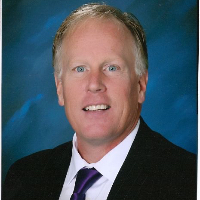
Michael Rhine, LMHC
Washington · 27 years in practice
Michael Rhine is a licensed mental health counselor in Washington with 27 years of experience.
License and registration
- LMHC, Washington
- LH00004980 · expires October 2026
- NPI
- 1801118518 · national provider identifier
- Years in practice
- 27
- Languages
- English
Details are as listed on the therapist's public professional profile. You can check the license with the issuing state board, and the NPI with the national registry.
About Michael
Michael Rhine is a licensed mental health counselor in Washington with 27 years of experience. He helps people facing stress, anxiety, depression, addictions, and life transitions. He aims to create a respectful, no-label space where people can talk about what matters to them and find practical ways forward.
He uses Emotionally-Focused Therapy to look at how feelings shape reactions and relationships. He also draws from Acceptance and Commitment Therapy and Cognitive Behavioral Therapy to help people notice unhelpful patterns and try new behaviors.
Background and approach
Sessions are conversational and focused on real problems you bring in. Michael pays attention to the effects of past experiences like adverse childhood events and trauma. He also works with issues around parenting, caregiver stress, codependency, substance use, and workplace strain.
He frames goals simply so progress is easy to track over time. His style is warm and interactive. He listens, asks clear questions, and helps people practice skills between sessions.
He respects a person’s pace and values when planning next steps. People who want practical tools and deeper emotional insight often find this approach useful. Michael supports clients in exploring meaning, reducing distress, and building everyday routines that feel manageable.
To begin, clients use the site process to match and schedule sessions.
Focus areas and approaches
Everything Michael lists on their public professional profile, in their own terms.
- Stress, Anxiety
- Addictions
- Trauma and abuse
- Parenting issues
- Compassion fatigue
- Relationship issues
- Family conflicts
- Anger management
- Self esteem
- Career difficulties
- Depression
- Coping with life changes
- Coaching
- ADHD
- Attachment issues
- Caregiver issues and stress
- Codependency
- Divorce and separation
- Drug and alcohol addiction
- Family of origin issues
- Family problems
- Fatherhood issues
- First responder issues
- Forgiveness
- Guilt and shame
- Life purpose
- Phobias
- Post-traumatic stress
- Workplace issues
Approaches Michael names
- Emotionally-Focused Therapy (EFT)
- Acceptance and Commitment Therapy (ACT)
- Client-Centered Therapy
- Cognitive Behavioral Therapy (CBT)
- Dialectical Behavior Therapy (DBT)
- Mindfulness Therapy
- Solution-Focused Therapy
- Trauma-Focused Therapy
Naming an approach is not evidence of training in it. This directory copies what each therapist lists and does not check training records.
Online support
Using emotion-focused and behavioral approaches online
Emotionally-Focused Therapy helps people notice and name core emotions that drive their reactions and connections. It is useful when feelings feel overwhelming or when a person wants clearer emotional understanding in relationships and daily life.Acceptance and Commitment Therapy focuses on noticing thoughts without getting stuck and clarifying personal values. It helps people take small actions that match what matters to them, even when unpleasant feelings are present.
Client-Centered Therapy emphasizes a respectful, nonjudgmental conversation where the therapist follows the client's lead. This approach supports people who need a steady, empathic space to sort through hard choices or stress.
Choosing the right approach is a collaborative process. The therapist will discuss goals, try methods that fit your needs, and adjust over time based on what helps. You and the therapist decide together which tools to use and when to change direction.
Online formats include video calls, phone sessions, live chat, and text-based messaging. Video works well for face-to-face conversation and emotion work. Phone calls need less bandwidth and can fit a break at work. Live chat and texting are useful for short check-ins, skill reminders, or when typing feels easier than speaking. These options make scheduling more flexible and allow people to keep continuity of care when life is busy.
We will earn a commission if you sign up through our link, at no cost to you. It does not change what you pay or the order of the listings.
Questions people ask
What concerns does this therapist address?
He works with stress, anxiety, depression, addictions, trauma, parenting strain, relationship and family issues, anger, self-esteem, career concerns, ADHD, and related problems.
How would you describe his therapeutic style?
His style is warm and interactive with a focus on listening and practical steps. Sessions combine emotional exploration with skills practice to help people try new ways of coping.
What is his professional background?
He has 27 years of counseling experience and has worked extensively with trauma, adverse childhood experiences, and addiction concerns.
What credentials and location are listed?
He is a Licensed Mental Health Counselor, LMHC, licensed in Washington and practices with that credential.
In which languages are sessions offered?
Sessions are offered in English.
What session formats are available?
Sessions can be scheduled as video calls, phone sessions, live chat, or text-based messaging to fit different needs and schedules.
How are fees and payments handled?
Cost varies with location and therapist availability; sessions use a subscription model that can be canceled at any time.
How do I begin working with him?
Start by selecting the Start Therapy button, complete a short matching questionnaire, and then schedule sessions according to the therapist's listed availability.
More therapists in Washington
See allDr. Heidi Duong
LMHC
Compassionate therapist helping you find greater life meaning
- Stress, Anxiety
- Trauma and abuse
- Eating

Jamie Clausen
LMHC
Compassionate counselor focused on practical skills
- Stress, Anxiety
- Trauma and abuse
- Self esteem


Daniel Schroeder
LMHC
Emotion-focused counselor guiding real change
- Stress, Anxiety
- Relationship
- Family

Is this your profile?
Ask us to correct details or take the page down.
Contact us