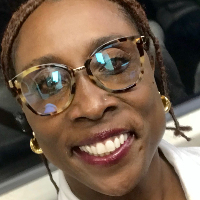
Tomeccia Maxwell
LMHC
Calm, practical support for everyday challenges
- Stress, Anxiety
- Relationship
- Family
Florida 12 years in practice
Clinical social work directory
411 therapists in this directory list Licensed Mental Health Counselor (LMHC). Registration details are shown as each therapist lists them; the body's own public register is the place to check a number.
A Licensed Mental Health Counselor (LMHC) is a credentialed professional who has completed graduate-level training and supervised clinical experience to provide mental health counseling. Browse verified LMHC therapists below to review profiles, specialties and approaches and begin your search.
LMHC
Calm, practical support for everyday challenges
LMHC
Compassionate counselor for practical change
LMHC
Compassionate, practical support for emotional change
LMHC
Practical, emotion-focused therapy for adults
LMHC
Compassionate therapist focused on emotional healing
LMHC
Calm, practical support for emotional change
LMHC
Practical support for emotional healing and change
LMHC
Compassionate counselor helping people move forward
LMHC
Practical skills for stronger emotional balance
LMHC
Compassionate, practical therapy for everyday struggles
LMHC
Compassionate counselor for complex emotions
LMHC
Experienced Florida LMHC focused on emotions
LMHC
Healing relationships through emotion and skill
LMHC
Emotion-focused counselor focused on practical change
LMHC
Practical emotional support with steady guidance
LMHC
Compassionate trauma-informed adult therapist
LMHC
Compassionate, experienced counselor focused on connection
Compassionate, practical therapy for life transitions
LMHC
Experienced Florida mental health counselor
LMHC
Compassionate therapist helping you find greater life meaning
LMHC
Compassionate counselor focused on practical skills
LMHC
Compassionate, practical care for life changes
LMHC
Compassionate, practical therapy for everyday challenges
LMHC
Compassionate therapist for real-life struggles
LMHC, LPC
Compassionate, practical therapy for real-life challenges
LMHC, LPCC
Compassionate therapist focused on emotions and change
LMHC
Compassionate, practical therapy for emotional healing
LMHC
Compassionate counselor helping with emotional healing
LMHC, LPCC
Practical, skills-focused therapy for everyday challenges
LMHC
Compassionate therapist for emotional and identity concerns
LMHC
Emotionally-focused and practical counseling support
LMHC
Compassionate care for emotional and relationship struggles
LMHC, LPC
Calm practical support for life’s hard moments
LMHC
Compassionate, practical therapy for feeling overwhelmed
LPC, LMHC
Calm, practical therapy for everyday struggles
LMHC
Compassionate skills-based support for everyday struggles
LPC, LMHC
Calm, practical support for life’s hard moments
LMHC
Compassionate support for emotional healing
LMHC, LPC
Warm, practical counseling for life transitions
LMHC
Compassionate, practical therapy for life challenges
LMHC
Compassionate counselor focused on emotional connection
Some links on this page are partner links. We will earn a commission if you sign up through one, at no cost to you. It does not change what you pay or the order of the listings.
When you see the LMHC credential next to a therapist's name it indicates a state-granted license for the practice of mental health counseling. Typically this pathway includes completion of a master’s degree in counseling or a closely related field, a defined number of supervised clinical hours accumulated after graduate study, and passage of a licensing examination required by the state board. Licensing also usually requires ongoing continuing education to maintain the credential so the license reflects current state requirements at the time it was issued.
The specific title and exact requirements can vary across states, but the underlying idea is consistent: an LMHC credential signals that the clinician has met educational and supervised experience standards and is authorized to provide counseling services under state scope-of-practice rules. That licensing framework is intended to promote consistent professional standards and to give you a clear way to check that a therapist has met minimum regulatory expectations for practice.
Understanding the differences among credentials helps you choose a clinician whose background aligns with your needs. An LMHC is trained to assess, formulate, and provide psychotherapy and counseling for a wide range of concerns, and can work with individuals, couples, families and groups depending on their training and experience. The LMHC title is not the same as a licensed psychologist, who usually holds a doctoral degree and may have broader training in psychological testing and research. It also differs from a psychiatrist, who is a medical doctor and can prescribe medications. Social work licenses such as LCSW or clinical social worker have a different educational focus and history, and marriage and family therapy licenses place distinct emphasis on relational systems.
In practice you will find overlap in the kinds of issues LMHCs and other clinicians address, but the path to the license and the typical array of training experiences differ. If assessment tools, psychological testing, or medication management are central to your needs, you may look for those specific services in addition to or instead of counseling-focused credentials. For talk-based therapeutic work aimed at symptom reduction, coping skills, relational patterns, or life transitions, an LMHC is commonly qualified to provide those clinical services.
LMHC therapists work across a broad spectrum of presenting concerns. You will often find clinicians who list anxiety disorders, depression, trauma and post-traumatic stress, grief and loss, relationship challenges, life transitions, and issues related to identity and stress management among their specialties. Some LMHCs focus on particular populations such as adolescents, college students, older adults, or military and veteran communities. Others describe work with couples, families, or groups.
Therapists may also note particular approaches they use in sessions. When you review profiles, phrasing like therapists who list cognitive-behavioral approaches among their methods or therapists who list EMDR among their approaches clarifies what a clinician includes in their practice without implying formal certification. Those descriptions give you a sense of orientation and method, but they do not replace questions you may want to ask directly about how a therapist typically works with clients who bring concerns similar to yours.
If you want to confirm that a clinician holds an LMHC license, the most direct route is to consult the state licensing board that governs professional counselors where the therapist practices. Many state boards provide an online license lookup where you can enter a name or license number to view the license status, expiration date, and any public disciplinary record. A board listing will usually show the specific license title and the date it was issued, which helps you confirm that the credential is current.
Other helpful verification steps include confirming the graduate program and degree listed on a clinician’s profile, asking about the number of supervised clinical hours completed if that is important to you, and checking whether the therapist lists continuing education activities relevant to your needs. The directory on this site indicates LMHC credentials as reported and verified against available public records, and you can supplement that with direct verification through the state board for complete reassurance.
Choosing an LMHC can offer several practical benefits. LMHC clinicians are trained specifically in counseling and psychotherapy, which makes them a strong match when you are seeking talk-based mental health care focused on coping skills, processing life events, relationship work, or symptom reduction. Many LMHCs have experience across common clinical areas and bring a counseling-oriented perspective that emphasizes collaborative goal-setting and practical strategies for day-to-day functioning.
When you search for the right LMHC, think about how your priorities align with a clinician’s specialties and described approaches. Pay attention to whether a therapist lists experience with the population you belong to, such as adolescents or older adults, and note languages spoken or cultural emphases that might matter to you. Consider logistical questions like location, session format options, typical session length, and whether the therapist's fee structure aligns with your budget. If insurance is a factor, look for information about billing and provider networks, or ask the clinician directly about insurance and out-of-network options.
In initial outreach you might want to ask a few focused questions to gauge fit: how a therapist typically structures sessions, how they describe progress for concerns like yours, and whether they have worked with similar presentations. Trust your sense of rapport - the relationship with your clinician is a central part of the therapeutic process. You can use clinician profiles to narrow potential matches and then reach out to learn more about their approach and whether it resonates with how you prefer to work.
Choosing a therapist is a personal decision that combines professional qualifications with interpersonal fit. An LMHC designation signals that a clinician has met state-defined standards for education and supervised practice in counseling. By reviewing profiles for specialties, approaches and languages, verifying license status with the state board, and asking targeted questions during initial contact, you can find an LMHC therapist whose background and style are aligned with your needs. Use the listings to explore options and take the next step when you are ready to connect with a clinician who may help you move toward your goals.