
Dr. Mary Torok, LMHC
Florida · 11 years in practice
Dr. Mary Torok focuses on helping people who are feeling stuck by offering steady, practical support.
License and registration
- LMHC, Florida
- MH19217 · expires March 2027
- NPI
- 1700452802 · national provider identifier
- Years in practice
- 11
- Languages
- English
Details are as listed on the therapist's public professional profile. You can check the license with the issuing state board, and the NPI with the national registry.
About Mary
Dr. Mary Torok focuses on helping people who are feeling stuck by offering steady, practical support. She speaks plainly and helps clients sort out stress, anxiety, parenting strain, relationship problems, grief, addiction, sleep issues, and life changes.
Dr. Torok holds a Licensed Mental Health Counselor credential - LMHC - and she practices from Florida. She uses Emotionally-Focused Therapy alongside approaches like Acceptance and Commitment Therapy, Cognitive Behavioral Therapy, Dialectical Behavior Therapy, and client-centered work.
Background and approach
In sessions she helps people name emotions, notice patterns, and try new ways of responding. Her style mixes listening with clear tools clients can use between appointments. Dr.
Torok has about 11 years of professional experience. She has worked in clinics, classrooms, residential settings, and delivered remote care. That background means she often draws on concrete strategies for managing mood, sleep, and daily routines as well as skills for communication and boundary setting.
She pays attention to attachment and abandonment concerns and offers support around blending families, communication breakdowns, and codependency. People also seek her help for ADHD, bipolar symptoms, trauma and abuse, and challenges tied to identity or coming out. Sessions aim to blend emotional exploration with practical steps.
Clients can expect a calm, direct approach that emphasizes skills practice, clearer patterns, and rebuilding confidence. Dr. Torok works in English and provides online formats to fit different needs.
Focus areas and approaches
Everything Mary lists on their public professional profile, in their own terms.
- Stress, Anxiety
- Family conflicts
- Trauma and abuse
- Self esteem
- Depression
- Addictions
- LGBT
- Relationship issues
- Grief
- Sleeping disorders
- Parenting issues
- Anger management
- Career difficulties
- Bipolar disorder
- Coping with life changes
- Coaching
- ADHD
- Abandonment
- Attachment issues
- Autism and Asperger Syndrome
- Blended family issues
- Codependency
- Commitment issues
- Communication problems
- Control issues
- Dependent personality
- Disruptive Mood Dysregulation Disorder (DMDD)
- Divorce and separation
- Domestic violence
- Emptiness
- Family problems
- Forgiveness
- Guilt and shame
- Impulsivity
- Infidelity
- Isolation / loneliness
- Jealousy
- Life purpose
- Midlife crisis
- Money and financial issues
- Mood disorders
- Multicultural concerns
- Obsessions, compulsions, and OCD
- Panic disorder and panic attacks
- Personality disorders
- Prejudice and discrimination
- Self-love
- Social anxiety and phobia
- Women's issues
- Workplace issues
- Young adult issues
Approaches Mary names
- Emotionally-Focused Therapy (EFT)
- Acceptance and Commitment Therapy (ACT)
- Client-Centered Therapy
- Cognitive Behavioral Therapy (CBT)
- Dialectical Behavior Therapy (DBT)
- Existential Therapy
- Eye Movement Desensitization and Reprocessing (EMDR)
- Gottman Method
- Mindfulness Therapy
- Motivational Interviewing
- Narrative Therapy
- Solution-Focused Therapy
- Trauma-Focused Therapy
- Systemic Therapy
Naming an approach is not evidence of training in it. This directory copies what each therapist lists and does not check training records.
Online support
How her approaches translate to online therapy
Emotionally-Focused Therapy helps people identify and change unhelpful emotional patterns in relationships and daily life. Online sessions use that same focus to name core feelings, shift interaction patterns, and practice new responses in real time. Acceptance and Commitment Therapy teaches people to notice thoughts and feelings without getting stuck and to choose actions based on values; this can be useful for anxiety, stress, and coping with life changes. Cognitive Behavioral Therapy looks at links between thoughts, feelings, and behavior and offers concrete exercises to break unhelpful cycles, for example with mood, sleep, or worry.Finding the right approach is part of the work. The therapist partners with each person to pick methods that match their goals, needs, and preferences. That collaborative process may mix emotion-focused exploration with skill practice from ACT or CBT so the plan fits the individual.
Online therapy offers flexible ways to connect: video calls for deeper conversation, phone sessions when bandwidth is limited, live chat for quicker check-ins, and text messaging for short reflections or prompts. These options make it easier to fit therapy into work, school, or caregiving schedules and to continue progress between sessions.
We will earn a commission if you sign up through our link, at no cost to you. It does not change what you pay or the order of the listings.
Questions people ask
What concerns does Dr. Torok help with?
She helps people facing stress, anxiety, depression, addiction, relationship and family problems, grief, sleep troubles, parenting strain, and career issues, among other challenges.
What is her therapeutic style like?
Her style blends emotion-focused work with practical tools. Sessions include listening, reflecting emotions, and teaching skills to use between meetings.
How much clinical experience does she have?
She has about 11 years of professional experience working across clinical, classroom, residential, and remote settings.
What are her credentials and where is she based?
She is a Licensed Mental Health Counselor, LMHC, licensed in Florida and practices from that state.
Can I work with her if I live outside the United States?
She offers sessions in English and is not currently accepting international clients.
Which session formats are available?
She provides video calls, phone sessions, live chat, and text-based messaging to suit different schedules and needs.
How are sessions paid for?
Session costs vary with location and therapist availability and use a subscription model that can be canceled at any time.
How do I begin working with her?
Start by selecting the Start Therapy button, complete a short matching questionnaire, and then schedule sessions according to the therapist's availability.
More therapists in Florida
See all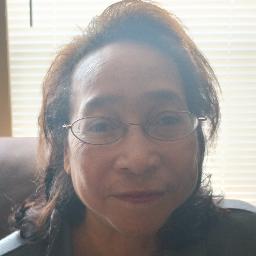
Dedra McIntosh
LCSW
Emotion-focused care for everyday struggles
- Stress, Anxiety
- Relationship
- Trauma and abuse

Steven Carlson
LCSW
Compassionate, steady support for emotional healing
- Stress, Anxiety
- Relationship
- Family

Tomeccia Maxwell
LMHC
Calm, practical support for everyday challenges
- Stress, Anxiety
- Relationship
- Family

Is this your profile?
Ask us to correct details or take the page down.
Contact us