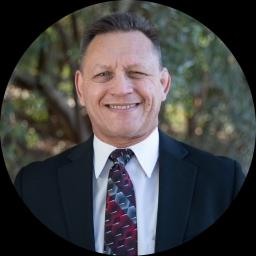
Stephen Chop, MD, LCSW-C, LCSW
Maryland · 30 years in practice
Stephen Chop, MD, LCSW-C, LCSW, offers direct support for people facing stress, anxiety, depression, anger, and addiction.
License and registration
- LCSW-C, Maryland
- 08624 · expires October 2027
- LCSW, Virginia
- 0904014807 · expires June 2027
- LCSW, Pennsylvania
- CW025669 · expires February 2027
- NPI
- 1346839651 · national provider identifier
- Years in practice
- 30
- Languages
- English
Details are as listed on the therapist's public professional profile. You can check the license with the issuing state board, and the NPI with the national registry.
About Stephen
Stephen Chop, MD, LCSW-C, LCSW, offers direct support for people facing stress, anxiety, depression, anger, and addiction. He helps with self-esteem, career strain, parenting concerns, grief, trauma and abuse, and life changes. He also addresses ADHD, bipolar symptoms, and compassion fatigue.
With thirty years of experience, he aims to make therapy practical and understandable for worried parents and adults. In sessions he listens first, then helps clients name what matters most.
Background and approach
He uses clear, straightforward tools to manage strong emotions and make daily routines easier. Conversations often focus on what a person wants to feel and do differently, and on small steps that fit a busy life. His approach draws on Emotionally-Focused Therapy to look at feelings in relationships and attachment, and on Acceptance and Commitment Therapy to clarify values and committed action.
He also uses Client-Centered methods to keep the work grounded in each person’s priorities, along with Cognitive Behavioral Therapy and Dialectical Behavior Therapy skills when practical strategies are needed. Stephen has worked with adults and young adults across career and life transitions for three decades. He brings experience addressing fatherhood issues, first responder stress, adoption and foster care concerns, and caregiving strain.
His background combines medical and social work training, which he uses to translate clinical ideas into everyday steps. People who meet with him can expect calm, focused sessions that aim to reduce overwhelm and improve coping. He frames therapy as teamwork, helping clients set clear goals and track small changes over time.
Focus areas and approaches
Everything Stephen lists on their public professional profile, in their own terms.
- Stress, Anxiety
- Anger management
- Self esteem
- Career difficulties
- Depression
- Addictions
- Relationship issues
- Family conflicts
- Trauma and abuse
- Grief
- Parenting issues
- Bipolar disorder
- Coping with life changes
- Coaching
- Compassion fatigue
- ADHD
- Abandonment
- Adoption and foster care
- Antisocial personality
- Attachment issues
- Body image
- Caregiver issues and stress
- Control issues
- Disruptive Mood Dysregulation Disorder (DMDD)
- Domestic violence
- Eating and food-related issues
- Emptiness
- Family problems
- Fatherhood issues
- First responder issues
- Forgiveness
- Impulsivity
- Intellectual disability
- Isolation / loneliness
- Life purpose
- Men's issues
- Midlife crisis
- Veteran and Armed Forces Issues
- Mood disorders
- Narcissism
- Obsessions, compulsions, and OCD
- Panic disorder and panic attacks
- Personality disorders
- Phobias
- Post-traumatic stress
- Seasonal Affective Disorder (SAD)
- Self-harm
- Self-love
- Sexual assault and abuse
- Social anxiety and phobia
- Workplace issues
- Young adult issues
Approaches Stephen names
- Emotionally-Focused Therapy (EFT)
- Acceptance and Commitment Therapy (ACT)
- Client-Centered Therapy
- Cognitive Behavioral Therapy (CBT)
- Dialectical Behavior Therapy (DBT)
- Existential Therapy
- Mindfulness Therapy
- Motivational Interviewing
- Psychodynamic Therapy
- Trauma-Focused Therapy
Naming an approach is not evidence of training in it. This directory copies what each therapist lists and does not check training records.
Online support
How his approaches translate to online therapy
Emotionally-Focused Therapy (EFT) helps people notice and name core emotions and how those feelings shape important relationships. Online sessions can use EFT to explore attachment patterns and to rehearse new ways of responding in real time. Acceptance and Commitment Therapy (ACT) focuses on clarifying what matters most and taking small committed steps toward those values; it is useful for anxiety, depression, and coping with life changes. Client-Centered Therapy emphasizes a warm, nonjudgmental stance where the therapist follows the person's lead and supports their own problem-solving.Finding the right approach is part of the work. The therapist will talk with each person about goals, preferences, and day-to-day realities, and then collaborate to pick or blend methods that fit. That collaborative planning helps tailor sessions to what actually helps someone move forward.
Online formats include video calls, phone sessions, live chat, and text-based messaging. Video is useful for longer, interactive sessions and when visual cues matter. Phone sessions work well for shorter check-ins or when bandwidth is limited. Live chat and texting let people fit brief check-ins into busy days and keep momentum between sessions. These options offer flexibility to match therapy to a person's schedule and needs.
We will earn a commission if you sign up through our link, at no cost to you. It does not change what you pay or the order of the listings.
Questions people ask
What concerns does he address?
He supports people with stress, anxiety, depression, anger, addictions, relationship worries, trauma, grief, parenting strain, ADHD, bipolar concerns, and related issues.
How would you describe his therapy style?
Sessions are practical and person-focused, with an emphasis on naming feelings, setting goals, and building small, manageable changes.
What kind of experience does he have?
He brings thirty years of clinical experience working with adults and young adults through mood issues, career stress, and major life transitions.
What credentials and location are listed?
He holds MD, LCSW-C, and LCSW credentials and practices in Maryland.
Which languages are supported and can international clients join?
Sessions are offered in English, and international clients are not currently accepted.
What session formats are available?
He meets by video calls, phone sessions, live chat, and text-based messaging to fit different needs and schedules.
How are costs handled?
Cost varies with location and therapist availability; sessions use a subscription that can be canceled at any time.
What is the first step to begin?
Choose the Start Therapy button, complete a short matching questionnaire, and then schedule according to therapist availability.
More therapists in Maryland
See allSabrina Sahle
MD, LCSW-C
Compassionate therapist for emotional healing
- Stress, Anxiety
- Relationship
- Family

Melvyn Heyes
MD, LCSW-C, LCSW
Practical therapy rooted in emotional insight
- Stress, Anxiety
- Relationship
- Trauma and abuse

Atiya Moore
MD, LCSW-C
Compassionate therapist focused on emotional healing
- Stress, Anxiety
- Relationship
- Trauma and abuse

Yvette Dehn
MD, LCPC
Grounded counselor helping people navigate life changes
- Stress, Anxiety
- Relationship
- Self esteem

Is this your profile?
Ask us to correct details or take the page down.
Contact us