
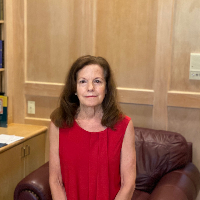
Julianne Chace, LICSW
Massachusetts · 5 years in practice
Julianne Chace is a licensed independent clinical social worker (LICSW) based in Massachusetts who helps people manage stress, anxiety, trauma and abuse, anger, depression, and big life changes.
License and registration
- LICSW, Massachusetts
- LICSW128273 · expires July 2026
- NPI
- 1821829441 · national provider identifier
- Years in practice
- 5
- Languages
- English
Details are as listed on the therapist's public professional profile. You can check the license with the issuing state board, and the NPI with the national registry.
About Julianne
Julianne Chace is a licensed independent clinical social worker (LICSW) based in Massachusetts who helps people manage stress, anxiety, trauma and abuse, anger, depression, and big life changes. She focuses on practical, down-to-earth support that helps people take the next steps forward. She creates a welcoming space where clients can talk about thoughts and feelings without fear of judgment.
Sessions focus on understanding emotions and reactions, and on learning small, useful skills for day-to-day life.
Background and approach
She aims to make therapy feel direct and understandable rather than technical. Julianne draws on several approaches to fit each person’s needs. She uses Emotionally-Focused Therapy to help people notice and work with strong feelings.
She also uses Acceptance and Commitment Therapy and Cognitive Behavioral Therapy to help people notice unhelpful patterns and try new ways of responding. Her work is especially relevant for people dealing with attachment concerns, adoption and foster care issues, caregiver stress, loneliness, and impulse-related struggles.
She also supports those navigating mood and personality challenges and people coping with self-harm urges or process addictions. Julianne has five years of professional experience and holds an MA and LICSW. She offers sessions in English and provides video calls, phone sessions, live chat, and text-based messaging to fit different schedules and needs.
Focus areas and approaches
Everything Julianne lists on their public professional profile, in their own terms.
- Stress, Anxiety
- Trauma and abuse
- Anger management
- Depression
- Coping with life changes
- Abandonment
- Adoption and foster care
- Attachment issues
- Autism and Asperger Syndrome
- Caregiver issues and stress
- Communication problems
- Guilt and shame
- Impulsivity
- Intellectual disability
- Isolation / loneliness
- Mood disorders
- Personality disorders
- Post-traumatic stress
- Process addiction (porn, exercise, gambling)
- Self-harm
- Sexual assault and abuse
- Social anxiety and phobia
- Young adult issues
Approaches Julianne names
- Emotionally-Focused Therapy (EFT)
- Acceptance and Commitment Therapy (ACT)
- Attachment-Based Therapy
- Client-Centered Therapy
- Cognitive Behavioral Therapy (CBT)
- Dialectical Behavior Therapy (DBT)
- Mindfulness Therapy
- Motivational Interviewing
- Narrative Therapy
- Solution-Focused Therapy
- Trauma-Focused Therapy
- Internal Family Systems
Naming an approach is not evidence of training in it. This directory copies what each therapist lists and does not check training records.
Online support
Emotion-focused and evidence-based care online
Emotionally-Focused Therapy helps people identify and work with strong emotions that drive behavior. It focuses on the experience of feeling and the steps people take when upset, which can be helpful for trauma responses, attachment concerns, and relationship-related distress.Acceptance and Commitment Therapy (ACT) teaches practical ways to notice difficult thoughts and feelings while committing to actions that match personal values. This approach can help with anxiety, depression, and coping with life changes. Cognitive Behavioral Therapy (CBT) targets unhelpful thinking and routine behaviors, offering concrete exercises to change reactions and improve mood.
Finding the right approach is part of therapy. The therapist works collaboratively to choose methods that fit a person’s situation, goals, and preferences. Sessions often mix emotion-focused exploration with ACT or CBT exercises depending on what seems most helpful.
Online therapy offers flexibility for people with busy lives. Video calls allow face-to-face conversation; phone sessions work when bandwidth is limited or a shorter check-in is needed. Live chat and text messaging suit people who prefer written check-ins or need support between sessions. These options make it easier to fit therapy into work, caregiving, or other daily routines.
We will earn a commission if you sign up through our link, at no cost to you. It does not change what you pay or the order of the listings.
Questions people ask
What problems does she help with?
She works with stress, anxiety, trauma and abuse, anger, depression, and coping with life changes. Additional focus areas include attachment issues, adoption and foster care, caregiver stress, and process addictions.
What is her therapeutic style?
She keeps sessions direct and conversational, helping people name emotions and try small behavioral practices. The approach blends emotion-focused work with skills-based methods.
How much experience does she have?
She has five years of professional work experience supporting people with mood and trauma-related concerns.
What credentials and location are listed?
She holds an MA and is a Licensed Independent Clinical Social Worker (LICSW) in Massachusetts.
Which languages are supported?
Sessions are offered in English.
What session formats are available?
Therapy can be done by video calls, phone sessions, live chat, or text-based messaging to match different schedules and needs.
How does payment and cost work?
Cost varies with location and therapist availability; sessions use a subscription model that can be canceled at any time.
How do I begin working with her?
Start by selecting the Start Therapy button, completing a short matching questionnaire, and scheduling according to therapist availability.
More therapists in Massachusetts
See allNatalie Jones
LICSW
Compassionate, practical therapy for emotional healing
- Stress, Anxiety
- Relationship
- Family


Ilene Liner
LMHC
Compassionate counselor focused on emotional connection
- Stress, Anxiety
- Relationship
- Family

Is this your profile?
Ask us to correct details or take the page down.
Contact us