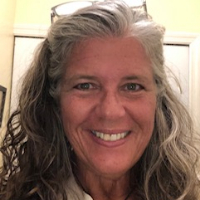
Natalie Jones
LICSW
Compassionate, practical therapy for emotional healing
- Stress, Anxiety
- Relationship
- Family
Massachusetts 18 years in practice
Clinical social work directory
42 therapists in this directory hold a licence issued in Massachusetts and name systemic therapy among their approaches. Sessions are online; a US therapist can usually only see people in a state where they hold a licence, so check the credentials panel on each profile.
Welcome to our directory of online therapists serving Massachusetts. All listed therapists are licensed; explore their profiles to learn about approaches, specialties, languages and experience to find a good match.
LICSW
Compassionate, practical therapy for emotional healing
LMHC
Compassionate counselor focused on emotional connection
LICSW
Experienced LICSW focusing on emotional healing
LMHC
Compassionate therapist focusing on emotions and relationships
LICSW
Compassionate therapist guiding emotional change
LICSW, LCSW
Experienced LICSW focused on emotional work
LMHC
Emotionally-focused counselor blending skills and empathy
LICSW
Supportive LICSW helping with stress and relationships
LICSW
Compassionate, practical therapy for life challenges
LICSW, LCSW
Compassionate therapy for emotion and connection
MA Psychologist
Experienced psychologist focused on relationships and change
LMHC
Empathetic therapist focused on emotions and relationships
LMFT
Warm, practical therapy with emotional focus
LICSW
Compassionate therapist helping people through change
LICSW
Practical, compassionate therapy for stress and identity issues
LICSW
Emotion-focused clinician who combines skills and compassion
LICSW
Calm, practical therapy for relationships and stress
LMHC
Accessible counseling focused on connection and practical change
LICSW
Compassionate, practical therapy for life challenges
LICSW, LCSW
Empathic therapist focused on emotion and practical change
LICSW
Warm, practical therapy for life and relationships
LMHC
Compassionate counselor focused on relationships
LICSW
Experienced LICSW blending therapy and creative practice
LICSW
Experienced LICSW who listens and plans collaboratively
LMHC
Calm, practical support for tough emotions
LICSW
Warm, practical therapy for everyday challenges
LICSW
Compassionate, practical therapy for strong emotions
LCSW
Compassionate, practical therapy for relationship and life strain
LMHC, LPC-MHSP
Compassionate support for stress and relationships
LICSW, LCSW, CSW
Compassionate emotion-focused social worker
LMHC
Practical, relationship-focused counseling
LMHC, LMFT
Practical, emotion-focused therapy for life struggles
LMHC
Compassionate counselor focused on relationships and coping
Some links on this page are partner links. We will earn a commission if you sign up through one, at no cost to you. It does not change what you pay or the order of the listings.
If you live in Massachusetts, you have a growing number of options for connecting with a therapist online. Many clinicians offer video or telephone sessions that let you meet with a clinician from your home, workplace or another comfortable environment within the state. State regulations vary when it comes to cross-state practice and specific service delivery rules, so clinicians offering online sessions generally follow the licensing requirements that apply to services provided to Massachusetts residents.
Online therapy in Massachusetts is used alongside in-person services, creating flexible pathways for people seeking psychological and emotional support. You will find clinicians who list psychodynamic, cognitive-behavioral, experiential and emotion-focused approaches, among others. Some therapists describe specialties such as relationship work, trauma-informed care, grief counseling, perinatal mental health or support for stress and anxiety related to school, work or family life. Because clinicians describe their own approaches and focus areas on their profiles, you can look for therapists who mention the methods or populations most relevant to you.
Online therapy can reduce common logistical barriers and expand your choices for care. If you live in a rural town or have limitations on travel, meeting by video or phone can save commute time and make it easier to fit sessions into a busy week. You also gain access to clinicians who practice across the state, which can help you find someone who works with your particular concern or who shares cultural background or language fluency that matters to you.
When you choose online sessions, you can create a consistent routine while avoiding the time and cost of transportation. You may also find it easier to maintain regular appointments during life transitions, such as moving between towns, shifting work schedules or managing caregiving responsibilities. It is important to think about your own needs for a comfortable environment and to choose a location where you can speak openly during sessions. You will want a reliable internet connection and a device with a camera if video sessions are offered.
Online therapists in Massachusetts support people with a wide range of concerns. You can seek help for symptoms of anxiety or depression, for stress related to work, school or caregiving, or for relationship difficulties including couples counseling. Therapists also commonly work with people processing loss and grief, navigating life transitions, managing chronic illness or addressing trauma-related distress. Some clinicians focus on parenting and family dynamics, while others describe experience supporting the LGBTQ+ community or multicultural identities.
Different therapists describe different therapeutic approaches on their profiles. For example, you may find clinicians who list EMDR among their approaches, or who name cognitive-behavioral methods, emotion-focused work, or somatic-informed practices. Those listings indicate the methods a therapist mentions using, not an official credential. When you read profiles, pay attention to how therapists describe the kinds of problems they see and the populations they often work with, so you can imagine whether their style fits what you are looking for.
Verifying a therapist's license is a practical step you can take to confirm that a clinician is permitted to practice in Massachusetts. Most clinicians list a license number and the type of license on their public profile. You can use that information to search the Commonwealths online license lookup or the state government site that maintains professional registries. That search typically lets you confirm the license type, current status and whether any disciplinary action has been recorded.
When you verify a license, look at the license holder's name, license number and expiration date. It is also reasonable to review the license type to understand whether the clinician is a psychologist, a clinical social worker, a mental health counselor or holds another professional designation. If you have questions about the scope of a license or about telehealth rules, the state licensing office can provide guidance. Confirming this information helps you make an informed choice about a clinician and understand the regulatory context of the services they provide.
Starting online therapy begins with clarifying what you hope to accomplish and what matters most in a clinician. Think about whether you prefer someone who focuses on symptom-focused strategies, someone who emphasizes emotional processing, or someone with experience in working with specific life stages or identities. Use profile information about specialties, approaches and languages to create a short list of potential clinicians whose descriptions resonate with your needs.
Before your first appointment, set up a quiet, comfortable environment where you can speak freely and won't be interrupted. Test your device, camera and microphone so technical issues are minimized. Consider preparing a few notes about what prompted you to seek therapy, any recent life changes, and what you hope to work on. In early sessions you can ask about how the therapist typically structures work, what a typical session looks like, how progress is monitored and how fees and insurance are handled. Trust your instincts about rapport - it is common to switch clinicians if you feel your first match is not right for you.
Choosing the right therapist is part practical and part relational. Pay attention to a clinician's language about diversity, cultural competence and collaboration. Notice whether they describe working with people who share relevant life experiences or languages. You may also want to learn how they handle emergencies and after-hours concerns so you understand the plan if you encounter a crisis. Taking time to read profiles, asking clear questions and reflecting on how comfortable you feel with a clinician will help you start therapy with confidence.
Online therapy in Massachusetts can be a flexible and effective way to access mental health support when you take a thoughtful approach to choosing a therapist. Use profile details about approaches, specialties, experience and languages to guide your search, verify licensing through state resources, and prepare practical steps for your first sessions. With attention to fit and a sense of your goals, you can make the most of online sessions as you work toward meaningful change and greater well-being.