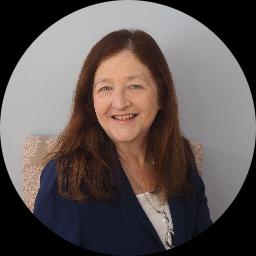
Chrystine Longley, LICSW, LCSW
Connecticut · 6 years in practice
Chrystine Longley is a licensed clinician who focuses on helping people manage stress, anxiety, grief, anger, depression, and the effects of trauma and abuse.
License and registration
- LCSW, Connecticut
- 14200 · expires July 2026
- LICSW, Massachusetts
- LICSW1121089 · expires July 2027
- NPI
- 1710622089 · national provider identifier
- Years in practice
- 6
- Languages
- English
Details are as listed on the therapist's public professional profile. You can check the license with the issuing state board, and the NPI with the national registry.
About Chrystine
Chrystine Longley is a licensed clinician who focuses on helping people manage stress, anxiety, grief, anger, depression, and the effects of trauma and abuse. She meets each person where they are and aims to create a calm, open space to talk about what matters most. Chrystine holds an MA and practices as an LICSW and LCSW in Massachusetts.
Her work often centers on practical steps you can try between sessions.
Background and approach
She uses a mix of approaches to help people notice emotions, test new behaviors, and solve immediate problems. Conversations may include learning skills for panic or anxiety, processing grief, or working through painful memories at a manageable pace. Chrystine has six years of professional therapeutic experience.
That background includes supporting people who face chronic illness, caregiving stress, and concerns common among veterans and first responders. She also helps people facing life transitions such as divorce, end-of-life planning, or changes related to aging. Sessions are conversational and grounded in the client's goals.
The therapist listens for what feels most important and adapts the approach to each person's needs. People who value direct, empathic talk alongside concrete tools often find this style helpful. If someone is ready to begin, they complete a short matching questionnaire and schedule sessions based on the therapist's availability.
Chrystine aims to be a steady collaborator through change and healing.
Focus areas and approaches
Everything Chrystine lists on their public professional profile, in their own terms.
- Stress, Anxiety
- Trauma and abuse
- Grief
- Anger management
- Depression
- Aging and geriatric issues
- Cancer
- Caregiver issues and stress
- Chronic pain, illness, and disability
- Communication problems
- Divorce and separation
- Forgiveness
- Guilt and shame
- Hospice and end-of-life counseling
- Impulsivity
- Life purpose
- Veteran and Armed Forces Issues
- Panic disorder and panic attacks
- Post-traumatic stress
- Self-love
- Social anxiety and phobia
- Workplace issues
Approaches Chrystine names
- Emotionally-Focused Therapy (EFT)
- Client-Centered Therapy
- Cognitive Behavioral Therapy (CBT)
- Solution-Focused Therapy
- Trauma-Focused Therapy
Naming an approach is not evidence of training in it. This directory copies what each therapist lists and does not check training records.
Online support
Emotion and practical change through online sessions
Chrystine uses Emotionally-Focused Therapy to help people identify and work with strong emotions that drive behavior. EFT focuses on understanding emotional patterns and creating new ways to respond to painful feelings, which can help with relationship wounds, grief, and trauma reactions.She also draws on Client-Centered Therapy, which emphasizes listening and collaboration so the person sets the pace and goals. Cognitive Behavioral Therapy is used to spot unhelpful thinking and test different behaviors to reduce symptoms like panic or persistent worry.
Finding the right approach is part of the work together. Chrystine talks with each person about their goals and preferences and chooses methods that feel like a good fit. That decision is collaborative and can shift as progress is made.
Online sessions are offered by video call, phone, live chat, or text-based messaging for flexible access. Video visits are useful for a full face-to-face conversation. Phone sessions can be easier when bandwidth is limited or when being on camera is difficult. Live chat and text messaging can suit quick check-ins, short coaching, or people who prefer typed conversation. These options make it easier to fit therapy into a busy schedule and to continue care when in-person visits are not possible.
We will earn a commission if you sign up through our link, at no cost to you. It does not change what you pay or the order of the listings.
Questions people ask
What kinds of concerns does Chrystine help with?
She supports people dealing with stress, anxiety, trauma and abuse, grief, anger, and depression. Additional focus areas include chronic illness, caregiving stress, aging issues, and post-traumatic stress.
How would you describe her therapeutic style?
Her style blends emotion-focused listening with practical problem solving. Sessions include talking through feelings and trying small, concrete strategies between visits.
What is her professional background?
She has six years of therapeutic experience and has worked with people facing medical illness, caregiver strain, and concerns common to veterans and first responders.
What credentials and location are listed?
Chrystine holds an MA and is credentialed as an LICSW and an LCSW, and she practices in Massachusetts.
Which languages are supported for sessions?
Sessions are offered in English.
What session formats are available?
She offers video calls, phone sessions, live chat, and text-based messaging for online therapy.
How are sessions paid for and what does it cost?
Cost varies with location and therapist availability; sessions use a subscription model that can be canceled at any time.
How do I begin working with her?
To start, select the Start Therapy button, complete a short matching questionnaire, and then schedule sessions according to the therapist's availability.
More therapists in Massachusetts
See allNatalie Jones
LICSW
Compassionate, practical therapy for emotional healing
- Stress, Anxiety
- Relationship
- Family


Ilene Liner
LMHC
Compassionate counselor focused on emotional connection
- Stress, Anxiety
- Relationship
- Family

Is this your profile?
Ask us to correct details or take the page down.
Contact us