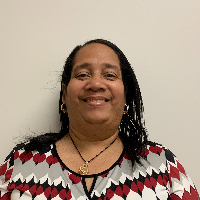
Angela Bryant, LCSW, LSCSW
Missouri · 10 years in practice
Angela Bryant is a licensed clinical social worker with over 10 years of experience.
License and registration
- LCSW, Missouri
- 2010039058 · expires September 2026
- LSCSW, Kansas
- LSCSW 4953 · expires June 2027
- LCSW, Illinois
- 149.028072 · expires November 2027
- NPI
- 1942504105 · national provider identifier
- Years in practice
- 10
- Languages
- English
Details are as listed on the therapist's public professional profile. You can check the license with the issuing state board, and the NPI with the national registry.
About Angela
Angela Bryant is a licensed clinical social worker with over 10 years of experience. She holds LCSW and LSCSW credentials and practices in Missouri. Angela blends empathy with clear, practical guidance to help people facing stress, anxiety, depression, and life changes.
Her work often focuses on relationship strain, trauma and abuse, and addiction. She also supports people dealing with grief, caregiver fatigue, parenting challenges, and issues linked to ADHD. Angela has experience supporting people affected by abandonment, adoption and foster care, aging concerns, and hospice or end-of-life needs.
Background and approach
Angela uses Emotionally-Focused Therapy alongside attachment-based and client-centered approaches. She also draws on cognitive behavioral methods and eye movement desensitization and reprocessing when appropriate. Her style is warm and interactive, aiming to tailor conversations and plans to each person’s needs.
She has worked in both clinical and educational settings, which informs how she supports educators, first responders, and those managing career- and workplace-related stress. Angela emphasizes respect, sensitivity, and compassion rather than labels when helping someone make changes in their life. People who reach out can expect a collaborative process that focuses on clear goals and small, manageable steps.
Her background includes psychotherapy and consulting across a range of concerns and ages, from young adulthood through later life.
Focus areas and approaches
Everything Angela lists on their public professional profile, in their own terms.
- Stress, Anxiety
- Relationship issues
- Trauma and abuse
- Self esteem
- Depression
- Addictions
- LGBT
- Family conflicts
- Grief
- Parenting issues
- Anger management
- Coping with life changes
- Compassion fatigue
- ADHD
- Abandonment
- Adoption and foster care
- Aging and geriatric issues
- Blended family issues
- Caregiver issues and stress
- Emptiness
- Family problems
- First responder issues
- Forgiveness
- Guilt and shame
- HIV / AIDS
- Hoarding
- Hospice and end-of-life counseling
- Intellectual disability
- Isolation / loneliness
- Life purpose
- Veteran and Armed Forces Issues
- Postpartum depression
- Post-traumatic stress
- Seasonal Affective Disorder (SAD)
- Self-love
- Women's issues
- Young adult issues
Approaches Angela names
- Emotionally-Focused Therapy (EFT)
- Attachment-Based Therapy
- Client-Centered Therapy
- Cognitive Behavioral Therapy (CBT)
- Eye Movement Desensitization and Reprocessing (EMDR)
- Mindfulness Therapy
- Motivational Interviewing
- Solution-Focused Therapy
- Somatic Therapy
- Trauma-Focused Therapy
- Internal Family Systems
Naming an approach is not evidence of training in it. This directory copies what each therapist lists and does not check training records.
Online support
Emotion and Attachment Work Online
Emotionally-Focused Therapy helps people notice and name strong feelings, and use those emotions to change how they relate to others and themselves. It can be useful for relationship strain, attachment wounds, grief, and patterns that keep repeating.Attachment-Based Therapy looks at how early connections shape current reactions. It helps people identify attachment needs and practice new ways of reaching out or setting boundaries. Client-Centered Therapy focuses on the person’s experience in the moment, offering empathy and nonjudgmental listening to help someone find their own answers.
Finding the right approach is part of the work. The therapist will talk with each person about goals and preferences and then decide together which methods to try. That collaborative process means therapy can shift over time as needs change.
Online sessions are offered by video calls, phone sessions, live chat, or text-based messaging to make care more flexible. Video is useful for face-to-face conversation and reading body language, while phone sessions can be easier when bandwidth is limited. Live chat and messaging allow shorter check-ins, thoughtful written reflection, or scheduling that fits around busy days. These options make it easier to fit therapy into work, caregiving, or other routines.
We will earn a commission if you sign up through our link, at no cost to you. It does not change what you pay or the order of the listings.
Questions people ask
What kinds of problems does this therapist help with?
She works with stress, anxiety, depression, trauma and abuse, relationship concerns, addictions, and grief. Additional focus areas include parenting strain, caregiver issues, ADHD, and isolation.
What is her general therapy style like?
Her style is warm and interactive. Sessions emphasize respect, sensitivity, and tailoring dialog to each person's needs.
How much clinical experience does she have?
She has been practicing as a psychotherapist and consultant for over 10 years, working in clinical and educational settings.
What credentials and location are listed?
She holds LCSW and LSCSW credentials and practices in Missouri with licensure also in Illinois and Kansas noted.
Are sessions offered in other languages or internationally?
Sessions are offered in English, and international clients are accepted.
What session formats are available?
Available formats include video calls, phone sessions, live chat, and text-based messaging to suit different preferences.
How are costs structured for sessions?
Cost varies with location and therapist availability and sessions use a subscription that can be canceled at any time.
How do I begin working with this therapist?
Start by selecting the Start Therapy button, completing a short matching questionnaire, and scheduling according to therapist availability.
More therapists in Missouri
See all

Prof. Michael McGaugh
LPC
Compassionate counselor focused on feelings and change
- Stress, Anxiety
- Family
- Trauma and abuse
Tracy Wofford
LPC
Compassionate, practical therapy for life’s hard moments
- Stress, Anxiety
- Trauma and abuse
- Parenting

Is this your profile?
Ask us to correct details or take the page down.
Contact us