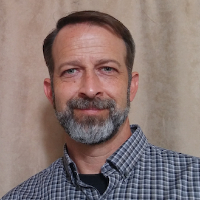
Paul Germany, LPC
Texas · 20 years in practice
Paul Germany is a Licensed Professional Counselor based in Texas with two decades of experience in mental health.
License and registration
- LPC, Texas
- 79208 · expires September 2027
- NPI
- 1841863990 · national provider identifier
- Years in practice
- 20
- Languages
- English
Details are as listed on the therapist's public professional profile. You can check the license with the issuing state board, and the NPI with the national registry.
About Paul
Paul Germany is a Licensed Professional Counselor based in Texas with two decades of experience in mental health. He approaches sessions with a straightforward, compassionate style and helps people facing stress, anxiety, depression, trauma, addiction, and relationship concerns. Paul uses plain language so parents and busy people can follow the work and feel heard from the first visit.
He draws on a mix of methods to match each person’s needs, including Emotionally-Focused Therapy, client-centered techniques, cognitive behavioral tools, dialectical behavior approaches, and existential ideas.
Background and approach
Sessions focus on clear goals such as reducing panic, improving sleep, managing mood swings, or learning coping skills for work and family strain. Paul also supports people managing identity questions, grief, parenting stress, and challenges tied to first responder life. Across 20 years he has worked in outpatient and inpatient settings and has helped people with short-term coaching and longer-term therapy.
He emphasizes practical steps you can try between sessions alongside opportunities to talk through painful experiences. Paul adapts pace and tools to what fits each person best. His background includes a Bachelor of Arts in psychology from the University of Texas at Austin and a Master of Arts in clinical psychology from Stephen F.
Austin State University. He holds a Texas LPC credential and keeps up continuing education to stay current with effective methods. People who start with him can expect a calm, respectful space to sort problems and try new ways of coping.
Paul guides the work without judgment and helps clients build skills that make daily life more manageable.
Focus areas and approaches
Everything Paul lists on their public professional profile, in their own terms.
- Stress, Anxiety
- Trauma and abuse
- Anger management
- Bipolar disorder
- Depression
- Addictions
- LGBT
- Relationship issues
- Family conflicts
- Grief
- Intimacy-related issues
- Sleeping disorders
- Parenting issues
- Self esteem
- Career difficulties
- Coping with life changes
- Coaching
- Compassion fatigue
- ADHD
- Abandonment
- Antisocial personality
- Attachment issues
- Autism and Asperger Syndrome
- Avoidant personality
- Codependency
- Control issues
- Dependent personality
- Divorce and separation
- Domestic violence
- Drug and alcohol addiction
- Family problems
- First responder issues
- Forgiveness
- Gender dysphoria
- Guilt and shame
- Hoarding
- Hospice and end-of-life counseling
- Impulsivity
- Infidelity
- Intellectual disability
- Isolation / loneliness
- Life purpose
- Veteran and Armed Forces Issues
- Mood disorders
- Multicultural concerns
- Narcissism
- Obsessions, compulsions, and OCD
- Panic disorder and panic attacks
- Paranoia
- Personality disorders
- Phobias
- Polyamory / non-monogamous relationships
- Postpartum depression
- Post-traumatic stress
- Seasonal Affective Disorder (SAD)
- Self-harm
- Sex addiction
- Sexual assault and abuse
- Traumatic brain injury
- Trichotillomania
Approaches Paul names
- Emotionally-Focused Therapy (EFT)
- Client-Centered Therapy
- Cognitive Behavioral Therapy (CBT)
- Dialectical Behavior Therapy (DBT)
- Existential Therapy
- Eye Movement Desensitization and Reprocessing (EMDR)
- Jungian Therapy
- Mindfulness Therapy
- Narrative Therapy
- Psychodynamic Therapy
- Solution-Focused Therapy
- Somatic Therapy
- Trauma-Focused Therapy
Naming an approach is not evidence of training in it. This directory copies what each therapist lists and does not check training records.
Online support
How therapeutic approaches translate to online work
Emotionally-Focused Therapy (EFT) focuses on identifying and naming feelings and the patterns they create in close relationships. Online EFT helps people notice these emotional cycles, practice new responses, and rebuild connection to what matters. Client-Centered Therapy emphasizes listening, empathy, and a nonjudgmental stance so the person sets the pace and goals; this can help people open up and gain clarity in a calm, supportive way. Cognitive Behavioral Therapy (CBT) looks at how thoughts, feelings, and actions interact and teaches concrete skills for shifting unhelpful patterns, which is useful for anxiety, sleep problems, and mood regulation.Finding the right approach is part of the work. Paul will collaborate with each person to choose methods that match their needs, goals, and preferences. That choice may change as progress is made, and he checks in regularly to make sure the plan still fits.
Online therapy offers practical flexibility. Video calls let you work face to face when you want a fuller connection. Phone sessions use less bandwidth and can fit into a lunch break. Live chat and text-based messaging allow brief check-ins, mood tracking, and quick coaching between sessions. These options make it easier to keep consistent care while juggling family, work, and other responsibilities.
We will earn a commission if you sign up through our link, at no cost to you. It does not change what you pay or the order of the listings.
Questions people ask
What kinds of concerns does Paul address?
He helps people with stress, anxiety, depression, trauma and abuse, anger, bipolar issues, addictions, LGBT concerns, relationship and family questions, grief, intimacy, sleeping problems, parenting stress, self esteem, career worries, and coping with life changes.
How would you describe his therapy style?
Paul uses a practical, compassionate, and direct style. He combines Emotionally-Focused Therapy, client-centered work, CBT, DBT ideas, and existential perspectives to meet each person where they are.
What is his professional background?
He has 20 years in the mental health field, including work in outpatient and inpatient settings and roles as a mental health clinician at a university medical center.
What credentials and location are listed?
He holds the Licensed Professional Counselor credential - LPC - and practices in Texas.
Are sessions available in other languages or for international clients?
Sessions are offered in English. International clients are not currently accepted.
What session formats does he offer online?
He offers video calls, phone sessions, live chat, and text-based messaging as online formats.
How is cost handled for online sessions?
Cost varies with location and therapist availability; sessions use a subscription model that can be canceled at any time.
How do I begin working with him?
Click the Start Therapy button, complete a short matching questionnaire, and schedule according to therapist availability.
More therapists in Texas
See allDr. Ngozi Okose
LPC
Compassionate, practical therapy focused on emotion and change
- Stress, Anxiety
- Relationship
- Trauma and abuse

Phillip Redden
LMFT
Trusted therapist for relationships and trauma
- Relationship
- Family
- Trauma and abuse
Julie Elliott
MD, LCSW-C, LCSW
Compassionate clinician with long-term practical experience
- Stress, Anxiety
- Relationship
- Family
Tiffany Dunnells
LPC
Warm, practical therapy for life’s hard moments
- Stress, Anxiety
- Trauma and abuse
- Anger

Is this your profile?
Ask us to correct details or take the page down.
Contact us