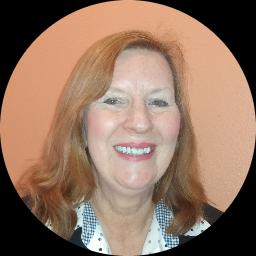
Moriah MacCleod, LPCC
New Mexico · 31 years in practice
Moriah MacCleod is a licensed professional clinical counselor in New Mexico with 31 years of experience.
License and registration
- LPCC, New Mexico
- CCMH1637 · expires September 2027
- NPI
- 1801933577 · national provider identifier
- Years in practice
- 31
- Languages
- English
Details are as listed on the therapist's public professional profile. You can check the license with the issuing state board, and the NPI with the national registry.
About Moriah
Moriah MacCleod is a licensed professional clinical counselor in New Mexico with 31 years of experience. She centers therapy on the person in front of her, treating each client as the expert on their own life. Her style aims to help people take practical steps toward feeling better and managing hard moments.
She uses Emotionally-Focused Therapy to look at how emotions shape relationships and personal patterns. She also draws on Acceptance and Commitment Therapy and Cognitive Behavioral Therapy to support clearer thinking and values-based action.
Background and approach
EMDR is part of her toolbox for people dealing with traumatic memories. Moriah helps people facing stress, anxiety, depression, and the fallout from trauma and abuse. She also addresses addictions, ADHD, grief, and major life transitions.
Her focus includes relationship and family concerns like attachment, communication problems, blended family stress, and caregiver strain. Practical issues such as parenting strain, career stress, codependency, and feelings of emptiness are common topics. She works through guilt, shame, abandonment wounds, and problems rooted in family of origin.
Drug and alcohol addiction, divorce and separation, and coping after disasters are also within her practice. Sessions are offered in English and delivered online through video calls, phone, live chat, or text-based messaging. Costs vary by location and use a subscription model that can be canceled at any time.
To begin, a prospective client completes a short matching questionnaire and schedules according to availability.
Focus areas and approaches
Everything Moriah lists on their public professional profile, in their own terms.
- Stress, Anxiety
- Trauma and abuse
- Depression
- Coping with life changes
- ADHD
- Addictions
- Relationship issues
- Family conflicts
- Grief
- Parenting issues
- Self esteem
- Career difficulties
- Coaching
- Compassion fatigue
- Abandonment
- Attachment issues
- Blended family issues
- Caregiver issues and stress
- Codependency
- Commitment issues
- Communication problems
- Control issues
- Coping with natural or human-caused disaster
- Divorce and separation
- Drug and alcohol addiction
- Emptiness
- Family of origin issues
- Family problems
- Guilt and shame
- Hospice and end-of-life counseling
- Impulsivity
- Infidelity
- Isolation / loneliness
- Life purpose
- Midlife crisis
- Veteran and Armed Forces Issues
- Money and financial issues
- Mood disorders
- Panic disorder and panic attacks
- Phobias
- Post-traumatic stress
- Process addiction (porn, exercise, gambling)
- Self-love
- Sexual assault and abuse
- Social anxiety and phobia
- Women's issues
- Workplace issues
Approaches Moriah names
- Emotionally-Focused Therapy (EFT)
- Acceptance and Commitment Therapy (ACT)
- Client-Centered Therapy
- Cognitive Behavioral Therapy (CBT)
- Eye Movement Desensitization and Reprocessing (EMDR)
- Gottman Method
- Mindfulness Therapy
- Motivational Interviewing
- Narrative Therapy
- Solution-Focused Therapy
- Trauma-Focused Therapy
- Internal Family Systems
Naming an approach is not evidence of training in it. This directory copies what each therapist lists and does not check training records.
Online support
How emotion-focused and practical therapy works online
Emotionally-Focused Therapy (EFT) helps people notice and name strong feelings and the patterns those feelings create. It is useful for understanding attachment wounds and breaking repetitive emotional reactions that cause pain. Acceptance and Commitment Therapy (ACT) teaches people to notice thoughts without getting stuck and to commit to actions that match their values. It helps with anxiety, depression, and life transitions by focusing on clear goals and steady choice. Cognitive Behavioral Therapy (CBT) looks at unhelpful thinking and behavior patterns and offers simple strategies to change them, which can reduce symptoms of anxiety and depression.Finding the right approach is part of the work. The therapist will talk with each person about goals, preferences, and what feels most helpful. Together they decide which methods to use and adjust the plan as progress is made.
Online sessions are offered by video call, phone, live chat, or text-based messaging to fit different needs. Video is good for deeper conversation and visual connection. Phone sessions use less bandwidth and can make it easier to fit therapy into a busy day. Live chat or text messages can support brief check-ins and ongoing coaching between sessions. These options increase flexibility and make it easier to keep regular contact with a licensed professional.
We will earn a commission if you sign up through our link, at no cost to you. It does not change what you pay or the order of the listings.
Questions people ask
What concerns does Moriah commonly address?
She helps people with stress, anxiety, depression, trauma and abuse, addictions, ADHD, grief, and coping with life changes. Relationship and family issues like attachment, communication problems, and caregiver stress are also part of her practice.
What is her therapy style like?
Her approach is collaborative and person-centered. Sessions focus on emotions, practical tools, and choosing actions that match a client's values.
How much clinical experience does she have?
She has 31 years of professional work experience as a licensed clinician practicing in New Mexico.
What are her credentials and location?
She holds the LPCC credential and practices in New Mexico.
Which languages and international arrangements are supported?
Sessions are offered in English. International clients are not currently accepted.
What session formats are available?
Therapy is offered via video calls, phone sessions, live chat, or text-based messaging to fit different schedules and needs.
How is cost handled?
Cost varies with location and therapist availability and uses a subscription that can be canceled at any time.
How do I get started with this therapist?
Click the Start Therapy button, complete a short matching questionnaire, and schedule sessions according to therapist availability.
More therapists in New Mexico
See allProf. Craig Hutton
LCSW
Compassionate, practical therapy for real life
- Stress, Anxiety
- Relationship
- Trauma and abuse

Ann Keith
LCSW
Compassionate emotion-focused therapy for life changes
- Stress, Anxiety
- Relationship
- Grief

Letha Olmos
LISW
Compassionate, practical support for emotional struggle
- Stress, Anxiety
- LGBT
- Trauma and abuse

Tommy Fletcher
LICSW, LCSW
Practical, emotion-focused therapy for adults
- Stress, Anxiety
- Trauma and abuse
- Intimacy-related issues

Is this your profile?
Ask us to correct details or take the page down.
Contact us