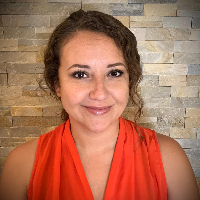
Prof. Craig Hutton
LCSW
Compassionate, practical therapy for real life
- Stress, Anxiety
- Relationship
- Trauma and abuse
New Mexico 4 years in practice
Clinical social work directory
20 therapists in this directory hold a licence issued in New Mexico and name systemic therapy among their approaches. Sessions are online; a US therapist can usually only see people in a state where they hold a licence, so check the credentials panel on each profile.
Welcome to our directory of online therapists serving New Mexico. All therapists listed here are licensed practitioners - explore profiles to review approaches, languages, and areas of focus that match your needs.
LCSW
Compassionate, practical therapy for real life
LCSW
Compassionate emotion-focused therapy for life changes
LISW
Compassionate, practical support for emotional struggle
LICSW, LCSW
Practical, emotion-focused therapy for adults
LPCC
Calm, practical support for life's hard moments
LCSW
Practical, experienced support for strong emotions
LPCC
Therapist focused on emotions and practical change
LPC, LCMHC
Experienced therapist focusing on connection and coping
LPCC
Emotion-focused counselor with practical tools
LCSW
Compassionate, emotion-focused therapy for real life
LCSW
Mental wellness focused LCSW helping build calmer lives
LCSW
Calm, practical therapy focused on feelings and change
LICSW, LCSW
Helping people heal through attachment and emotions
LPCC
Therapist focused on emotions and practical change
LICSW, LCSW
Experienced LICSW blending practical care and emotional work
Some links on this page are partner links. We will earn a commission if you sign up through one, at no cost to you. It does not change what you pay or the order of the listings.
Online therapy in New Mexico has expanded to reach people across urban centers, small towns, and remote communities. If you live near Albuquerque or Santa Fe, or in a rural county, you can connect with therapists who offer sessions by video or phone, which helps bridge geographic gaps and scheduling challenges. State laws and professional guidelines shape how mental health care is provided at a distance, and many licensed practitioners adapt their practices to follow those rules while offering services in formats that work for you. When you browse profiles you will see information about the types of sessions offered, the approaches therapists list, the languages they use, and the populations they work with. That overview can help you imagine what an online therapeutic relationship might look like for your situation and decide whether to reach out for an initial conversation.
Therapists who work with New Mexico residents typically comply with state requirements for remote care, including professional licensing rules and documentation standards. Because regulations evolve, it can be helpful to confirm how a therapist describes their services and the ways they meet state expectations. The availability of online sessions means you can maintain continuity of care through moves, seasonal changes, or life transitions without needing to travel long distances. In many cases online work mirrors in-person therapy in structure - scheduled sessions, an agreed-upon treatment focus, and a plan for communication between sessions - while adapting to technology and the practicalities of connecting across space.
Online therapy offers practical advantages that may matter to you depending on where you live and how you manage your time. If you live in an area with fewer in-person options, virtual sessions broaden the pool of clinicians you can consult. This can make it easier to find a therapist who lists EFT among their approaches, who speaks your preferred language, or who focuses on issues that feel relevant to you. The convenience of connecting from home or another familiar setting can reduce the time and expense of travel and help you build a consistent routine. For parents, caregivers, or people with mobility limitations, the option to attend remotely can remove logistical barriers to getting support.
When you choose online therapy, think about where you will take sessions so you can be present and comfortable. A quiet room, minimal interruptions, and a stable internet connection help conversations flow. Therapists often describe the types of session formats they offer and the technology they use; you can review those details on profiles to find a match that fits your comfort with digital tools. If you prefer to work with someone who lists particular therapeutic approaches, reading descriptions and asking questions during an initial message can help you assess whether a therapist's style and methods resonate with you.
Online therapists in New Mexico work with a wide range of concerns that people bring to therapy. Many practitioners list experience addressing anxiety and stress, depression and low mood, relationship difficulties, parenting challenges, grief and loss, and life transitions such as career change or relocation. You will also find therapists who list approaches for working with trauma, chronic health conditions, or ongoing patterns of conflict. Because therapists often indicate populations they serve, you can look for clinicians who mention work with adolescents, adults, couples, families, or older adults depending on your needs.
When reviewing profiles you may notice that therapists list a variety of approaches. For example, some therapists list EFT among their approaches while others note cognitive-behavioral methods, interpersonal work, or body-oriented perspectives. Listing an approach does not attest to a particular certification in that method; it simply reflects what a therapist includes in their practice. Pay attention to how therapists describe their focus areas and the kinds of goals they help people pursue. That language can guide you toward clinicians who work in ways that align with your expectations for therapy.
Verifying licensure is an important step if you want to confirm a therapist's legal standing to practice in New Mexico. The New Mexico Regulation and Licensing Department provides online resources and license lookup tools where you can search by name to view license status, expiration dates, and any public disciplinary history. Because different professional categories have separate boards - such as those for social workers, counselors, and psychologists - you may need to check the appropriate section based on the credentials a therapist lists. Profiles typically include license type and number; you can use that detail as a starting point for your lookup.
The online search results generally show whether a license is active and if there are any public actions or restrictions. If you have questions about what you find, contacting the licensing department or board directly can provide clarification. Verifying a license does not speak to therapeutic fit, but it does confirm that a practitioner is listed with the state in the relevant discipline. When you combine that verification with reading a therapist's profile and introductory information, you will have a clearer sense of both credentials and clinical focus.
Beginning online therapy starts with a few practical steps and questions that help you find a therapist who fits your needs. Start by identifying the priorities that matter most to you - the issues you want help with, the therapeutic approaches you prefer, the languages you need, and any logistical considerations such as session length and fee range. Use profile information to narrow choices to therapists who list relevant approaches and experience. When you reach out, a brief introductory message can clarify the questions that matter to you, such as how a therapist structures sessions, what to expect in the first few meetings, and how they approach goals and progress.
Therapeutic fit is personal and often becomes clearer after an initial conversation or first few sessions. Pay attention to how a therapist communicates before your first appointment and whether their explanations of approach and process feel understandable and aligned with your preferences. Consider asking about experience with concerns like yours and about how they adapt methods to suit different people. Language and cultural understanding can be central - if cultural values, identity, or community context are important to you, look for therapists who mention that focus. Financial considerations are also part of fit; profiles may indicate whether someone accepts insurance or offers a range of payment options, so you can weigh those factors before you commit to a provider.
Ultimately, choosing an online therapist is a mix of practical verification and personal response. By confirming licensure, reviewing approaches therapists list, and initiating an introductory exchange, you set the stage for a relationship that meets your needs. If a match does not feel right, you can use what you learned to continue searching until you find a clinician whose style and focus support the work you want to do.