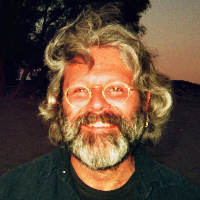
Walter "Baruch" Zeichner, LPC, LCMHC
Vermont · 40 years in practice
Walter "Baruch" Zeichner is a licensed counselor who helps people facing stress, anxiety, grief, relationship strain, depression, and other difficult life changes.
License and registration
- LCMHC, Vermont
- 068.0000058 · expires January 2027
- LPC, Oregon
- C4239 · expires April 2027
- LPCC, New Mexico
- CCMH0218901 · expires October 2026
- NPI
- 1659935542 · national provider identifier
- Years in practice
- 40
- Languages
- English
Details are as listed on the therapist's public professional profile. You can check the license with the issuing state board, and the NPI with the national registry.
About Walter
Walter "Baruch" Zeichner is a licensed counselor who helps people facing stress, anxiety, grief, relationship strain, depression, and other difficult life changes. He brings four decades of clinical experience and a calm, straightforward style to sessions. People often come for help with intimacy issues, addictions, parenting stress, or coping after loss.
He uses a blend of approaches to match each person's needs rather than a single fixed method. That can include Emotionally-Focused Therapy to look at emotions in relationships, attachment-based ideas to explore early bonds, and cognitive-behavioral tools to shift unhelpful thoughts and habits.
Background and approach
Sessions may also draw on client-centered listening and skills from dialectical behavior therapy when helpful. Born of practice since the early 1980s, his work emphasizes practical steps and steady emotional support. He describes therapy as a collaborative process where the client helps set the direction.
The clinician also has training as a career counselor and sometimes integrates career concerns into broader life work. In sessions he mixes talking, creative options, and somatic awareness when appropriate. That variety helps reach different kinds of problems, from chronic pain and caregiver stress to eating and intimacy-related issues.
He aims to meet people where they are and move at a pace that feels right. He works with individuals and couples and serves people in New Mexico. Sessions are offered in English and use multiple online formats to fit busy lives.
Focus areas and approaches
Everything Walter lists on their public professional profile, in their own terms.
- Stress, Anxiety
- LGBT
- Relationship issues
- Grief
- Depression
- Addictions
- Family conflicts
- Trauma and abuse
- Intimacy-related issues
- Eating disorders
- Parenting issues
- Anger management
- Self esteem
- Career difficulties
- Bipolar disorder
- Coping with life changes
- Compassion fatigue
- Abandonment
- Aging and geriatric issues
- Attachment issues
- Blended family issues
- Caregiver issues and stress
- Chronic pain, illness, and disability
- Communication problems
- Control issues
- Coping with natural or human-caused disaster
- Divorce and separation
- Eating and food-related issues
- First responder issues
- Forgiveness
- Guilt and shame
- HIV / AIDS
- Life purpose
- Men's issues
- Midlife crisis
- Money and financial issues
- Panic disorder and panic attacks
- Post-traumatic stress
- Self-love
- Sexuality
- Social anxiety and phobia
- Workplace issues
Approaches Walter names
- Emotionally-Focused Therapy (EFT)
- Attachment-Based Therapy
- Client-Centered Therapy
- Cognitive Behavioral Therapy (CBT)
- Dialectical Behavior Therapy (DBT)
- Existential Therapy
- Hypnotherapy
- Mindfulness Therapy
- Psychodynamic Therapy
- Somatic Therapy
- Trauma-Focused Therapy
- Internal Family Systems
Naming an approach is not evidence of training in it. This directory copies what each therapist lists and does not check training records.
Online support
How emotionally focused and practical work translates online
Emotionally-Focused Therapy (EFT) centers on feelings in close relationships and helps people understand and shift patterns that keep them stuck. It is often useful for intimacy and relationship concerns where emotions drive repeated interactions. Attachment-Based Therapy looks at early bonds and how they influence current connections, which can clarify patterns behind anxiety, abandonment fears, or communication problems.Client-Centered Therapy emphasizes empathic listening and meeting the person where they are. This approach supports exploration at a comfortable pace and helps people set their own goals. Together these approaches give a mix of emotional depth and concrete skills so therapy can address both feelings and day-to-day coping.
Finding the right mix of methods is part of the work. The therapist collaborates with each person to choose what fits their needs, goals, and preferences. That may mean focusing on emotion in early sessions, then adding cognitive or skills work for practical change.
Online formats include video calls, phone sessions, live chat, and text-based messaging. Video helps preserve visual cues for emotionally focused conversations. Phone calls work well for shorter check-ins or when bandwidth is limited. Live chat and messaging let people reflect in writing, use therapy between sessions, and fit support into busy days. These options make it easier to attend sessions from different places and schedules while keeping therapy consistent.
We will earn a commission if you sign up through our link, at no cost to you. It does not change what you pay or the order of the listings.
Questions people ask
What concerns does he help with?
His practice addresses stress, anxiety, depression, grief, relationship and intimacy issues, addictions, eating and parenting concerns, trauma and abuse, and compassion fatigue among other areas.
How would you describe his therapeutic style?
He uses a blended, practical style that centers on listening and collaboration, combining emotionally focused, attachment-based, client-centered, cognitive-behavioral, and dialectical approaches as needed.
What is his background and experience?
He has been practicing since the early 1980s and brings about 40 years of clinical experience, including training in several therapeutic methods and work as a career counselor.
What credentials and location are listed?
He holds LPC and LCMHC credentials and practices in New Mexico.
Which languages and international arrangements are supported?
Sessions are offered in English and he is not accepting international clients.
What session formats are available?
He offers video calls, phone sessions, live chat, and text-based messaging to fit different needs and schedules.
How is cost handled?
Cost varies with location and therapist availability; sessions use a subscription that can be canceled at any time.
How do I begin working with him?
Start by selecting the Start Therapy button, complete a short matching questionnaire, and then schedule sessions according to therapist availability.
More therapists in New Mexico
See allProf. Craig Hutton
LCSW
Compassionate, practical therapy for real life
- Stress, Anxiety
- Relationship
- Trauma and abuse
Ann Keith
LCSW
Compassionate emotion-focused therapy for life changes
- Stress, Anxiety
- Relationship
- Grief

Letha Olmos
LISW
Compassionate, practical support for emotional struggle
- Stress, Anxiety
- LGBT
- Trauma and abuse

Tommy Fletcher
LICSW, LCSW
Practical, emotion-focused therapy for adults
- Stress, Anxiety
- Trauma and abuse
- Intimacy-related issues

Is this your profile?
Ask us to correct details or take the page down.
Contact us