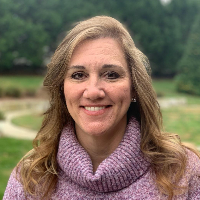
Judy Cline, LCSW
North Carolina · 10 years in practice
Judy Cline is a licensed clinical social worker (LCSW) based in North Carolina who helps people facing stress, anxiety, grief, low self-esteem, life changes, compassion fatigue, and trauma.
License and registration
- LCSW, North Carolina
- C013158 · expires July 2026
- NPI
- 1609134642 · national provider identifier
- Years in practice
- 10
- Languages
- English
Details are as listed on the therapist's public professional profile. You can check the license with the issuing state board, and the NPI with the national registry.
About Judy
Judy Cline is a licensed clinical social worker (LCSW) based in North Carolina who helps people facing stress, anxiety, grief, low self-esteem, life changes, compassion fatigue, and trauma. She also supports concerns such as relationship strain, intimacy issues, parenting stress, career questions, depression, and ADHD.
Judy blends practical skills with a warm, accepting approach so people can take steps forward at their own pace. She brings over 10 years of counseling experience, including significant work in hospice and grief support.
Background and approach
Judy believes the relationship between client and counselor is the foundation for change. She offers steady acceptance and nonjudgmental support while encouraging clients to notice new choices and try small experiments between sessions. Judy draws on Emotionally-Focused Therapy and Attachment-Based ideas to help people understand patterns in feelings and close relationships.
She also uses Acceptance and Commitment Therapy and Cognitive Behavioral Therapy tools when they fit the situation. Her work is client-centered, so sessions are shaped around each person’s needs and goals. In sessions she helps people name difficult emotions, practice new ways of relating, and set realistic, manageable goals.
She encourages active participation and offers coaching-style feedback when helpful. Many clients find this mix useful for coping with loss, burnout, family stress, and life transitions. Judy welcomes conversations about treatment style and practical next steps.
She aims to create a calm, straightforward space where people can explore what matters most and begin making changes they want.
Focus areas and approaches
Everything Judy lists on their public professional profile, in their own terms.
- Stress, Anxiety
- Grief
- Self esteem
- Coping with life changes
- Compassion fatigue
- Relationship issues
- Family conflicts
- Trauma and abuse
- Intimacy-related issues
- Parenting issues
- Anger management
- Career difficulties
- Depression
- Coaching
- ADHD
- Adoption and foster care
- Aging and geriatric issues
- Attachment issues
- Blended family issues
- Cancer
- Caregiver issues and stress
- Coping with natural or human-caused disaster
- Divorce and separation
- Emptiness
- Family of origin issues
- Family problems
- Forgiveness
- Hospice and end-of-life counseling
- Isolation / loneliness
- Life purpose
- Midlife crisis
- Veteran and Armed Forces Issues
- Money and financial issues
- Mood disorders
- Post-traumatic stress
- Pregnancy and childbirth
- Seasonal Affective Disorder (SAD)
- Self-love
- Women's issues
- Workplace issues
- Young adult issues
Approaches Judy names
- Emotionally-Focused Therapy (EFT)
- Acceptance and Commitment Therapy (ACT)
- Attachment-Based Therapy
- Client-Centered Therapy
- Cognitive Behavioral Therapy (CBT)
- Mindfulness Therapy
- Motivational Interviewing
- Narrative Therapy
- Solution-Focused Therapy
- Trauma-Focused Therapy
Naming an approach is not evidence of training in it. This directory copies what each therapist lists and does not check training records.
Online support
Approaches that guide online sessions
Emotionally-Focused Therapy helps people name and work with strong emotions that affect close relationships. It focuses on recognizing core feelings and changing interaction patterns that keep people stuck. Acceptance and Commitment Therapy (ACT) encourages living in line with personal values while accepting difficult thoughts and feelings. ACT is useful for anxiety, stress, and life transitions where values-based action matters. Attachment-Based Therapy looks at how early relationship patterns shape current ways of connecting and reacting; it can help people who want to understand patterns in intimacy, caregiving, or family roles.Choosing the right approach is part of the work. Judy will talk with each person about goals, preferences, and what has or hasn’t helped before. Together the therapist and client decide which methods to try and adjust the plan as progress is made, so the process stays collaborative and practical.
Online formats available include video calls, phone sessions, live chat, and text-based messaging. Video calls are useful for conversation and visual cues. Phone sessions can be a simpler option when bandwidth is limited or a shorter check-in is better. Live chat and text messaging can support quick reflections, brief coaching, or timely emotional grounding between scheduled sessions. These options make it easier to fit therapy into a busy life and keep continuity as needs change.
We will earn a commission if you sign up through our link, at no cost to you. It does not change what you pay or the order of the listings.
Questions people ask
What kinds of concerns does Judy help with?
She supports people dealing with stress, anxiety, grief, low self-esteem, life changes, compassion fatigue, trauma, relationship and intimacy issues, parenting stress, career questions, depression, and ADHD.
How would you describe her therapeutic style?
Judy emphasizes a warm, nonjudgmental relationship and encourages active participation. She offers practical suggestions and coaching alongside emotional exploration.
What is her professional background?
She has more than 10 years of counseling experience and has worked extensively in hospice and grief support.
Where is Judy licensed and located?
Judy is a licensed clinical social worker (LCSW) licensed in North Carolina.
Which languages are offered for sessions?
Sessions are offered in English.
What session formats are available online?
She offers video calls, phone sessions, live chat, and text-based messaging to fit different schedules and needs.
How are fees and billing handled?
Cost varies with location and therapist availability; sessions use a subscription that can be canceled at any time.
How do I begin working with Judy?
Click the Start Therapy button, complete a short matching questionnaire, and schedule according to therapist availability.
More therapists in North Carolina
See allDr. James Hunter Jr
LCMHC
Calm, practical guidance for life's hard moments
- Stress, Anxiety
- Depression
- Relationship

Madeline Cohen
LCMHC
Compassionate therapist for life's hard moments
- Stress, Anxiety
- Trauma and abuse
- Parenting


James Dion
LCMHC
Practical, emotion-focused support for real life
- Stress, Anxiety
- Family
- Trauma and abuse

Is this your profile?
Ask us to correct details or take the page down.
Contact us