
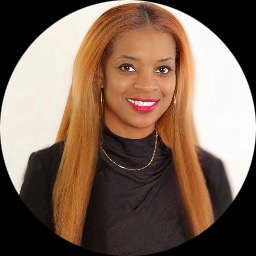
Comfort Ebob Nji-Mbah, LMHC
Florida · 7 years in practice
Comfort Ebob Nji-Mbah is a licensed mental health counselor who focuses on helping people facing stress, anxiety, depression, relationship struggles, and the effects of trauma and abuse.
License and registration
- LMHC, Florida
- MH24036 · expires March 2027
- NPI
- 1184267858 · national provider identifier
- Years in practice
- 7
- Languages
- English
Details are as listed on the therapist's public professional profile. You can check the license with the issuing state board, and the NPI with the national registry.
About Comfort
Comfort Ebob Nji-Mbah is a licensed mental health counselor who focuses on helping people facing stress, anxiety, depression, relationship struggles, and the effects of trauma and abuse. She approaches sessions with respect and compassion, and she aims to make a first visit feel straightforward and manageable for someone who is nervous about starting therapy.
She personalizes conversations and treatment plans to fit each person’s situation. That means listening to what matters most to the client and using practical tools that match their goals.
Background and approach
Comfort draws on several approaches, including Emotionally-Focused Therapy and cognitive and acceptance-based strategies, to help people understand feelings and make changes that feel doable. Her work spans individual concerns such as body image, codependency, communication problems, and the strain of divorce or separation. She also supports people dealing with substance issues, eating-related concerns, and complex mood or personality challenges.
Sessions can address family of origin issues, guilt and shame, and the emotional strain of medical or social challenges like HIV/AIDS. Comfort has seven years of professional experience and holds the LMHC credential in Florida. She offers sessions in English and works with people living in Florida.
Her style is collaborative and person-focused, emphasizing gentle challenge alongside practical coping skills. People who choose her can expect a calm, steady approach that balances emotional understanding with real-world strategies. The focus is on small, sustainable shifts that improve day-to-day life.
Focus areas and approaches
Everything Comfort lists on their public professional profile, in their own terms.
- Stress, Anxiety
- Relationship issues
- Trauma and abuse
- Depression
- Coping with life changes
- Abandonment
- Body image
- Co-morbidity
- Codependency
- Communication problems
- Coping with natural or human-caused disaster
- Dependent personality
- Disruptive Mood Dysregulation Disorder (DMDD)
- Divorce and separation
- Drug and alcohol addiction
- Eating and food-related issues
- Family of origin issues
- Gender dysphoria
- Guilt and shame
- HIV / AIDS
- Impulsivity
- Isolation / loneliness
- Life purpose
- Mood disorders
- Panic disorder and panic attacks
- Post-traumatic stress
- Self-harm
- Self-love
- Sexuality
- Social anxiety and phobia
- Young adult issues
Approaches Comfort names
- Emotionally-Focused Therapy (EFT)
- Acceptance and Commitment Therapy (ACT)
- Attachment-Based Therapy
- Client-Centered Therapy
- Cognitive Behavioral Therapy (CBT)
- Dialectical Behavior Therapy (DBT)
- Existential Therapy
- Mindfulness Therapy
- Motivational Interviewing
- Narrative Therapy
- Psychodynamic Therapy
- Solution-Focused Therapy
- Trauma-Focused Therapy
- Internal Family Systems
Naming an approach is not evidence of training in it. This directory copies what each therapist lists and does not check training records.
Online support
How her approaches translate to online therapy
Emotionally-Focused Therapy (EFT) helps people notice and name their core emotions and how those emotions shape relationships and behavior. This approach can help with feelings tied to loss, fear, or long-standing relationship patterns. Acceptance and Commitment Therapy (ACT) focuses on noticing thoughts and feelings without getting stuck in them, and it teaches committed action toward personal values. ACT is useful for stress, anxiety, and life changes where new habits are needed. Attachment-Based Therapy looks at how early relationships shape expectations and coping, and it can help people understand patterns that repeat across current relationships.Choosing the right approach is part of the work. The therapist will listen to your concerns, talk about what you want to change, and together decide which methods feel like the best fit. That collaborative process makes it easier to try techniques and adjust them over time so they match real needs and goals.
Online sessions are offered as video calls, phone sessions, live chat, or text-based messaging. Video works well when face-to-face interaction helps build understanding. Phone sessions need less bandwidth and can be easier during a busy day. Live chat and text are useful for quick check-ins, brief skill practice, or people who prefer writing. These options give flexibility to fit therapy into different schedules and daily routines.
We will earn a commission if you sign up through our link, at no cost to you. It does not change what you pay or the order of the listings.
Questions people ask
What kinds of concerns does Comfort address?
She helps people with stress, anxiety, depression, relationship issues, and trauma and abuse, along with related topics like body image, codependency, and substance concerns.
What is her therapeutic style like?
Her style is collaborative and compassionate, combining emotion-focused work with cognitive and acceptance-based techniques to help people process feelings and try new coping strategies.
How much clinical experience does she have?
She has seven years of professional experience working with a range of mental health concerns and life transitions.
What credentials and location are listed for this therapist?
Comfort holds the Licensed Mental Health Counselor credential (LMHC) and practices in Florida.
Which languages are supported for sessions?
Sessions are offered in English.
What session formats are available?
She offers video calls, phone sessions, live chat, and text-based messaging to fit different scheduling needs and communication preferences.
How is cost handled for sessions?
Costs vary by location and therapist availability; sessions use a subscription model that can be canceled at any time.
How do I begin working with her?
Start by selecting the Start Therapy button, complete a short matching questionnaire, and schedule sessions according to therapist availability.
More therapists in Florida
See all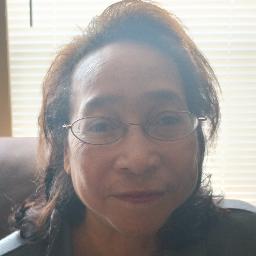
Dedra McIntosh
LCSW
Emotion-focused care for everyday struggles
- Stress, Anxiety
- Relationship
- Trauma and abuse

Steven Carlson
LCSW
Compassionate, steady support for emotional healing
- Stress, Anxiety
- Relationship
- Family

Tomeccia Maxwell
LMHC
Calm, practical support for everyday challenges
- Stress, Anxiety
- Relationship
- Family
Is this your profile?
Ask us to correct details or take the page down.
Contact us