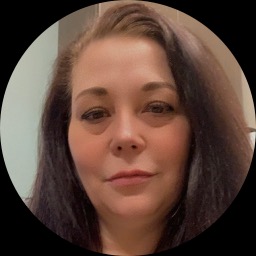
Christina (Crissy) Irrgang-Wade, LPCC
Minnesota · 11 years in practice
Christina (Crissy) Irrgang-Wade is a licensed professional clinical counselor with 11 years of experience in Minnesota.
License and registration
- LPCC, Minnesota
- CC01998 · expires December 2026
- NPI
- 1134690969 · national provider identifier
- Years in practice
- 11
- Languages
- English
Details are as listed on the therapist's public professional profile. You can check the license with the issuing state board, and the NPI with the national registry.
About Christina
Christina (Crissy) Irrgang-Wade is a licensed professional clinical counselor with 11 years of experience in Minnesota. She offers a calm, patient presence and aims to help people manage stress, anxiety, trauma, depression, and addictions. Crissy writes plainly in sessions and focuses on practical steps people can use day to day.
She draws on Emotionally-Focused Therapy to help people understand and shift patterns in close relationships and emotional reactions. She also uses Client-Centered and Cognitive Behavioral Therapy approaches to help people name problems, try new behaviors, and build skills for managing mood and worry.
Background and approach
Mindfulness and existential ideas appear in her work when people want to explore meaning and presence. Her background includes work with adoption and foster care, first responder concerns, veteran and armed forces issues, multicultural situations, and people coping with disaster or grief. She has experience supporting people facing postpartum depression, bipolar challenges, ADHD, panic and phobias, and process or substance addictions.
Crissy has many years of experience working with Native American clients and with Ojibwe cultural contexts. Sessions can address parenting strain, intimacy and relationship questions, career transitions, isolation or loneliness, and compassion fatigue. Crissy approaches each person as the expert in their own life and looks for strengths to build on.
She aims to make change feel achievable rather than overwhelming. Therapy is offered in English and delivered through video calls, phone sessions, live chat, or text-based messaging. Sessions use a subscription model that can be canceled at any time, and start is arranged through an online matching and scheduling process.
Focus areas and approaches
Everything Christina lists on their public professional profile, in their own terms.
- Stress, Anxiety
- Trauma and abuse
- Anger management
- Self esteem
- Depression
- Addictions
- LGBT
- Relationship issues
- Family conflicts
- Grief
- Intimacy-related issues
- Sleeping disorders
- Parenting issues
- Career difficulties
- Bipolar disorder
- Coping with life changes
- Compassion fatigue
- ADHD
- Adoption and foster care
- Coping with natural or human-caused disaster
- Drug and alcohol addiction
- First responder issues
- Impulsivity
- Intellectual disability
- Isolation / loneliness
- Jealousy
- Veteran and Armed Forces Issues
- Multicultural concerns
- Panic disorder and panic attacks
- Phobias
- Postpartum depression
- Post-traumatic stress
- Process addiction (porn, exercise, gambling)
- Seasonal Affective Disorder (SAD)
- Self-harm
- Sex addiction
- Sexual assault and abuse
- Social anxiety and phobia
- Young adult issues
Approaches Christina names
- Emotionally-Focused Therapy (EFT)
- Client-Centered Therapy
- Cognitive Behavioral Therapy (CBT)
- Existential Therapy
- Mindfulness Therapy
- Motivational Interviewing
- Narrative Therapy
- Psychodynamic Therapy
- Solution-Focused Therapy
- Trauma-Focused Therapy
Naming an approach is not evidence of training in it. This directory copies what each therapist lists and does not check training records.
Online support
How Emotion-Focused and Practical Therapies Work Online
Emotionally-Focused Therapy helps people notice and name strong emotions and the interaction patterns they create. In short sessions this can help someone change how they respond to stress, anger, or relationship triggers. Client-Centered Therapy focuses on listening and following the person's pace, offering support that validates their experience and builds trust. Cognitive Behavioral Therapy breaks larger problems into manageable parts and teaches concrete skills for changing thoughts and behaviors tied to anxiety, depression, or addiction.Finding the right mix of these approaches is part of the process. The therapist will work collaboratively to choose techniques that match a person's goals, needs, and preferences. That means trying things, checking what helps, and adjusting the plan together rather than following a fixed recipe.
Online formats make it easier to stick with therapy across a busy life. Video calls work well for face-to-face conversation and nonverbal cues. Phone sessions use less bandwidth and can be a good shorter check-in. Live chat and text-based messaging let people share thoughts between sessions, send brief updates, or use writing when speech feels hard. These options increase flexibility and help fit therapy into work, parenting, or other routines.
We will earn a commission if you sign up through our link, at no cost to you. It does not change what you pay or the order of the listings.
Questions people ask
What kinds of concerns can be addressed in sessions?
Crissy works with a wide range of issues including stress, anxiety, trauma and abuse, depression, addictions, relationship and intimacy-related issues, parenting strain, grief, and coping with life changes.
What is her general therapy style like?
She combines Emotionally-Focused Therapy, Client-Centered work, and Cognitive Behavioral Therapy to help people understand emotions, try new behaviors, and build coping skills in everyday life.
How much professional experience does she have?
She has 11 years of professional experience providing mental health care in Minnesota.
What credential does she hold and where is she based?
She is a Minnesota LPCC, which stands for Licensed Professional Clinical Counselor, and practices from Minnesota.
Which languages are used in sessions and are international clients accepted?
Sessions are offered in English. International clients are not currently accepted.
What session formats are available?
Therapy is available via video calls, phone sessions, live chat, or text-based messaging to fit different schedules and communication preferences.
How are costs handled for sessions?
Costs vary with location and therapist availability; sessions use a subscription model that can be canceled at any time.
How do I get started with therapy?
Begin by selecting the Start Therapy button, completing a short matching questionnaire, and then scheduling sessions according to therapist availability.
More therapists in Minnesota
See allPietro (Pete) Martucci
LPCC
Compassionate, practical counseling for everyday struggles
- Stress, Anxiety
- LGBT
- Trauma and abuse
Mary Gales-Wenz
LICSW
Compassionate practical therapy from an experienced LICSW
- Stress, Anxiety
- Addictions
- Trauma and abuse
Wendy Alm
LMFT
Calm, practical therapy for relationships and life changes
- Stress, Anxiety
- Relationship
- Family

Jennifer Kim-Ardakani
LMFT
Compassionate therapist focusing on emotion and connection
- Stress, Anxiety
- Relationship
- Trauma and abuse
Is this your profile?
Ask us to correct details or take the page down.
Contact us