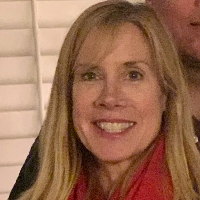
Amy Shafer, LCSW
California · 30 years in practice
Amy Shafer is a Licensed Clinical Social Worker with three decades of practice in California.
License and registration
- LCSW, California
- 16945 · expires January 2028
- NPI
- 1356411888 · national provider identifier
- Years in practice
- 30
- Languages
- English
Details are as listed on the therapist's public professional profile. You can check the license with the issuing state board, and the NPI with the national registry.
About Amy
Amy Shafer is a Licensed Clinical Social Worker with three decades of practice in California. She combines calm listening with clear, practical steps to help people facing stress, anxiety, grief, depression, and major life changes. Amy earned a Master of Social Work from San Diego State University in 1991 and has held her California LCSW since 1994.
She has worked in many settings across a long career, which shaped a flexible, down-to-earth approach to common problems people bring into therapy.
Background and approach
Her recent work focuses on adults and geriatric individuals, addressing issues such as family conflict, trauma and abuse, chronic illness, caregiver stress, and adjustment after loss. She also helps people with relationship concerns, intimacy-related issues, sleep struggles, and addiction-related challenges. Amy draws on several therapeutic approaches, including Emotionally-Focused Therapy, Acceptance and Commitment Therapy, Cognitive Behavioral Therapy, client-centered methods, and mindfulness practices.
She blends these tools to match the needs of each person rather than using a single fixed method. Sessions emphasize practical problem solving, stronger communication, and coping skills that fit daily life. Amy aims to create a space where people can talk honestly about their struggles and try small, manageable changes that add up over time.
Focus areas and approaches
Everything Amy lists on their public professional profile, in their own terms.
- Stress, Anxiety
- Grief
- Self esteem
- Depression
- Coping with life changes
- Addictions
- LGBT
- Relationship issues
- Family conflicts
- Trauma and abuse
- Intimacy-related issues
- Sleeping disorders
- Parenting issues
- Compassion fatigue
- Abandonment
- Aging and geriatric issues
- Avoidant personality
- Blended family issues
- Cancer
- Caregiver issues and stress
- Chronic pain, illness, and disability
- Co-morbidity
- Codependency
- Commitment issues
- Communication problems
- Control issues
- Coping with natural or human-caused disaster
- Dependent personality
- Family of origin issues
- Family problems
- Fatherhood issues
- Fertility issues
- First responder issues
- Forgiveness
- Guilt and shame
- Hoarding
- Hospice and end-of-life counseling
- Isolation / loneliness
- Life purpose
- Mood disorders
- Obsessions, compulsions, and OCD
- Panic disorder and panic attacks
- Post-traumatic stress
- Self-love
- Social anxiety and phobia
- Women's issues
Approaches Amy names
- Emotionally-Focused Therapy (EFT)
- Acceptance and Commitment Therapy (ACT)
- Client-Centered Therapy
- Cognitive Behavioral Therapy (CBT)
- Mindfulness Therapy
- Solution-Focused Therapy
Naming an approach is not evidence of training in it. This directory copies what each therapist lists and does not check training records.
Online support
Approach-driven care online that fits your life
Amy uses Emotionally-Focused Therapy to help people identify and change painful interaction patterns and to strengthen emotional connections. This approach can be useful for improving communication and reducing repeated conflicts.She also draws on Acceptance and Commitment Therapy, which focuses on clarifying values and taking small committed actions even when difficult thoughts or feelings are present. Cognitive Behavioral Therapy is used to spot and shift unhelpful thinking and behavior patterns, which can ease anxiety and depression.
Finding the right approach is a team effort. Amy will work with each person to decide which methods make the most sense given their goals, concerns, and personal preferences. The plan can adapt over time as needs change.
Online formats include video calls, phone sessions, live chat, and text-based messaging. Video is helpful for full conversations and visual cues. Phone sessions can be easier when bandwidth is limited or when a camera-free check-in is preferred. Chat and messaging support quick check-ins, shorter conversations, or ongoing written reflection between longer sessions. These options aim to make therapy more flexible and easier to fit into daily life.
We will earn a commission if you sign up through our link, at no cost to you. It does not change what you pay or the order of the listings.
Questions people ask
What concerns does Amy help with?
Amy works with issues such as stress, anxiety, grief, depression, relationship and family conflict, trauma and abuse, addictions, sleep problems, parenting strain, and compassion fatigue.
What is her therapeutic style like?
Sessions mix emotionally focused listening with practical tools from CBT, ACT, client-centered work, and mindfulness to help people manage feelings and change behaviors.
How much experience does she have?
Amy has 30 years of clinical experience working in a variety of settings and with people at different life stages.
What are her credentials and location?
She is a Licensed Clinical Social Worker, LCSW, licensed in California and practices from that state.
Which languages are supported for sessions?
Sessions are offered in English.
What session formats are available?
Therapy is offered by video calls, phone sessions, live chat, and text-based messaging to fit different schedules and needs.
How are sessions priced?
Cost varies with location and therapist availability; sessions use a subscription that can be canceled at any time.
How do I begin working with her?
Click the Start Therapy button, complete a short matching questionnaire, and schedule a session according to the therapist's availability.
More therapists in California
See allNancy Montes
LCSW
Compassionate, culturally aware LCSW for life transitions
- Stress, Anxiety
- Self esteem
- Depression
Alejandro Holguin
LCSW
Practical, collaborative therapy for emotional healing
- Stress, Anxiety
- Relationship
- Anger

Dr. Cheryl Mims
LCSW
Compassionate clinician helping rebuild emotional balance
- Stress, Anxiety
- Grief
- Bipolar

Chauncey Chatman
LMFT
Practical, emotion-focused therapy for adults
- Stress, Anxiety
- Addictions
- Trauma and abuse

Is this your profile?
Ask us to correct details or take the page down.
Contact us