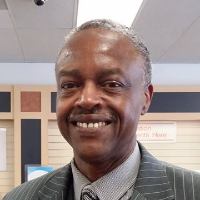
Willie Whited, LCSW, CSW
Georgia · 31 years in practice
Willie Whited is a Licensed Clinical Social Worker with over 31 years in mental health practice in Georgia.
License and registration
- LCSW, Georgia
- CSW002541 · expires September 2026
- NPI
- 1568493906 · national provider identifier
- Years in practice
- 31
- Languages
- English
Details are as listed on the therapist's public professional profile. You can check the license with the issuing state board, and the NPI with the national registry.
About Willie
Willie Whited is a Licensed Clinical Social Worker with over 31 years in mental health practice in Georgia. He holds a master’s degree in Guidance and Counseling and has spent decades helping people who face complex life challenges. He centers care on each person's needs and motivations.
He has worked across many clinical areas, including support for people with serious mental illnesses and co-occurring mental health and substance use conditions.
Background and approach
That background includes work with children and adolescents for about ten years, though much of his practice has focused on adults. Willie uses a mix of approaches to match what each person needs. That may include Cognitive Behavioral Therapy, Emotionally-Focused Therapy, Acceptance and Commitment Therapy, Attachment-Based strategies, and client-centered care.
Sessions focus on practical steps people can try between meetings. He pays attention to issues that show up together - like mood changes, addiction, and relationship problems - and helps people untangle them. Common concerns he addresses include stress, anxiety, depression, bipolar mood patterns, addictions, sleep problems, anger, and coping with life changes.
Willie aims to make therapy a place for steady progress. He helps people name painful patterns such as abandonment, codependency, or shame, and then take concrete steps toward change. His tone is direct and supportive, focusing on realistic goals and daily practices clients can use.
Focus areas and approaches
Everything Willie lists on their public professional profile, in their own terms.
- Stress, Anxiety
- Addictions
- Trauma and abuse
- Bipolar disorder
- Depression
- Relationship issues
- Family conflicts
- Grief
- Intimacy-related issues
- Sleeping disorders
- Parenting issues
- Anger management
- Self esteem
- Coping with life changes
- ADHD
- Abandonment
- Attachment issues
- Co-morbidity
- Codependency
- Commitment issues
- Dependent personality
- Drug and alcohol addiction
- Emptiness
- Forgiveness
- Guilt and shame
- Impulsivity
- Infidelity
- Isolation / loneliness
- Jealousy
- Life purpose
- Men's issues
- Veteran and Armed Forces Issues
- Mood disorders
- Multicultural concerns
- Obsessions, compulsions, and OCD
- Panic disorder and panic attacks
- Paranoia
- Post-traumatic stress
- Self-harm
- Self-love
- Social anxiety and phobia
- Somatization
- Young adult issues
Approaches Willie names
- Emotionally-Focused Therapy (EFT)
- Acceptance and Commitment Therapy (ACT)
- Attachment-Based Therapy
- Client-Centered Therapy
- Cognitive Behavioral Therapy (CBT)
- Dialectical Behavior Therapy (DBT)
- Existential Therapy
- Mindfulness Therapy
- Motivational Interviewing
- Psychodynamic Therapy
- Solution-Focused Therapy
- Trauma-Focused Therapy
Naming an approach is not evidence of training in it. This directory copies what each therapist lists and does not check training records.
Online support
How therapy approaches translate to online sessions
Emotionally-Focused Therapy (EFT) focuses on emotions and how they shape close connections. In sessions the therapist helps people notice and name feelings, then practice new ways of expressing them to reduce painful cycles and increase emotional clarity. Acceptance and Commitment Therapy (ACT) emphasizes living by chosen values while learning to accept difficult thoughts and feelings. It usually involves exercises to notice thoughts, commit to small actions, and build a meaningful routine. Attachment-Based Therapy looks at how early relationships shape expectations and patterns. Work here often helps people identify attachment patterns and try different ways of relating that feel safer and more fulfilling.Choosing the right approach is a collaborative process. The therapist will discuss goals, preferences, and what feels most useful, then adapt methods as progress is made. Clients and the therapist decide together what tools to try and what to change if something is not helping.
Online therapy offers flexible ways to meet that can fit different needs. Video calls let people use face-to-face interaction for in-depth work; phone sessions can be easier when video is not needed; live chat and text-based messaging work well for brief check-ins, short exercises, or when scheduling is tight. These options make it simpler to keep therapy consistent around work, school, or family responsibilities, and allow for a range of session lengths and communication styles.
We will earn a commission if you sign up through our link, at no cost to you. It does not change what you pay or the order of the listings.
Questions people ask
What kinds of concerns does he help with?
He works with a wide range of issues including stress, anxiety, depression, bipolar, addictions, trauma, grief, sleep problems, anger, self-esteem, and parenting challenges.
What is his therapeutic style like?
His style is pragmatic and person-focused, mixing techniques to fit each person's needs and motivations while emphasizing steps people can use between sessions.
How long has he practiced?
He has over 31 years of experience in mental health settings and has worked with adults, and for about ten years also with children and adolescents in community and facility settings.
What are his credentials and where is he based?
He is a Licensed Clinical Social Worker (LCSW) and holds the CSW credential, and he practices in Georgia.
Which languages are offered for sessions?
Sessions are offered in English.
What session formats are available?
He offers video calls, phone sessions, live chat, and text-based messaging for online therapy.
How does billing and cost work?
Costs vary with location and therapist availability; sessions use a subscription model that can be canceled at any time.
How do I begin working with him?
Start by selecting the Start Therapy button, complete a short matching questionnaire, and then schedule sessions according to therapist availability.
More therapists in Georgia
See all
Farah Southwell
LPC
Compassionate emotional work with practical tools
- Stress, Anxiety
- Relationship
- Family

Cornelia Williams
LPC
Compassionate counselor who focuses on emotional connection
- Stress, Anxiety
- Addictions
- Relationship

Dr. Sharon Belhamel
LMFT
Compassionate therapy for life’s hard transitions
- Stress, Anxiety
- Relationship
- Career

Is this your profile?
Ask us to correct details or take the page down.
Contact us