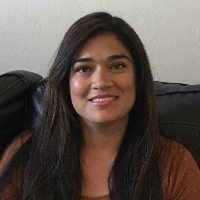
Rachel Bentley, LMFT
Arizona · 8 years in practice
Rachel Bentley is a licensed marriage and family therapist (LMFT) practicing in Arizona.
License and registration
- LMFT, Arizona
- LMFT-15246 · expires March 2026
- NPI
- 1861524498 · national provider identifier
- Years in practice
- 8
- Languages
- English
Details are as listed on the therapist's public professional profile. You can check the license with the issuing state board, and the NPI with the national registry.
About Rachel
Rachel Bentley is a licensed marriage and family therapist (LMFT) practicing in Arizona. She has eight years of post-licensure experience and a long career working across schools, group homes, addiction programs, and outpatient settings. Rachel draws on attachment-focused ideas to help people see how early relationships shape current reactions and relationship patterns.
She works in a straightforward, collaborative way. Sessions focus on identifying strengths and practical coping skills. Rachel helps people recognize unhelpful thoughts and habits and then practice different ways of responding in real life.
Background and approach
Her approach draws from Emotionally-Focused Therapy, attachment-based thinking, and client-centered care. She also uses tools from cognitive behavioral and dialectical behavior therapies when helpful. The goal is to blend methods to match each person’s needs rather than follow one fixed plan.
Rachel has experience with a wide range of concerns including stress, anxiety, depression, trauma, addiction, grief, and relationship and intimacy issues. She also supports people facing parenting strain, family conflict, divorce and separation, and troubles with trust or commitment. People who choose her often want practical changes rooted in better emotional understanding.
Sessions tend to be warm and focused on building useful skills and clearer communication. Rachel balances empathy with concrete steps so people can move toward their goals.
Focus areas and approaches
Everything Rachel lists on their public professional profile, in their own terms.
- Stress, Anxiety
- Relationship issues
- Trauma and abuse
- Self esteem
- Coping with life changes
- Addictions
- Family conflicts
- Grief
- Intimacy-related issues
- Parenting issues
- Anger management
- Depression
- Abandonment
- Attachment issues
- Codependency
- Commitment issues
- Communication problems
- Control issues
- Divorce and separation
- Drug and alcohol addiction
- Family problems
- First responder issues
- Forgiveness
- Guilt and shame
- Impulsivity
- Infidelity
- Isolation / loneliness
- Jealousy
- Life purpose
- Veteran and Armed Forces Issues
- Money and financial issues
- Personality disorders
- Postpartum depression
- Post-traumatic stress
- Self-love
- Sexual assault and abuse
- Social anxiety and phobia
- Women's issues
Approaches Rachel names
- Emotionally-Focused Therapy (EFT)
- Attachment-Based Therapy
- Client-Centered Therapy
- Cognitive Behavioral Therapy (CBT)
- Dialectical Behavior Therapy (DBT)
- Gottman Method
- Mindfulness Therapy
- Psychodynamic Therapy
- Solution-Focused Therapy
- Trauma-Focused Therapy
- Internal Family Systems
Naming an approach is not evidence of training in it. This directory copies what each therapist lists and does not check training records.
Online support
Approach-focused care available online
Emotionally-Focused Therapy helps people identify and shift unhelpful emotional patterns in relationships. It emphasizes moments of connection and how changing interactions can reduce distance and conflict. Attachment-Based Therapy looks at how early bonds with caregivers shape current relationship expectations and responses, which can help with trust, codependency, and commitment concerns.Client-Centered Therapy centers the conversation on the person's experience, using active listening and empathy to help someone make sense of their feelings. Together these approaches give space for emotion, history, and practical problem solving so therapy is aimed at both understanding and change.
Finding the right mix of approaches is part of the work. Rachel will collaborate with each person to decide which methods best match their goals, needs, and preferences. She adapts tools from CBT or DBT when those skills fit the plan, and checks in regularly to make sure the approach remains useful.
Online sessions are offered as video calls, phone sessions, live chat, or text-based messaging to provide flexibility. Video sessions allow face-to-face interaction, phone sessions can be easier when bandwidth is limited, live chat suits brief check-ins, and messaging supports ongoing reflection between sessions. These options help people fit therapy into work, family life, or busy schedules.
We will earn a commission if you sign up through our link, at no cost to you. It does not change what you pay or the order of the listings.
Questions people ask
What kinds of concerns does she help with?
She works with stress, anxiety, depression, trauma and abuse, addiction, grief, and relationship or intimacy-related issues. Other focus areas include parenting, anger, self-esteem, and family problems.
What is her therapeutic style like?
Her style is collaborative and straightforward, combining emotional insight with practical skill-building. Sessions aim to help people notice unhelpful patterns and try concrete alternatives.
What relevant background does she bring?
Rachel has worked in group homes, schools, addiction programs, and adult residential settings, giving her a broad clinical background with diverse populations. She has about eight years of experience since licensure.
What credentials and region are associated with this therapist?
She is an LMFT licensed in Arizona and practices there.
In which language are sessions offered?
Sessions are offered in English.
Which session formats are available?
Sessions can be done via video calls, phone sessions, live chat, or text-based messaging.
How does billing and cost work?
Cost varies with location and therapist availability; sessions are provided through a subscription model that can be canceled at any time.
How do I begin working with her?
Use the Start Therapy button, complete a short matching questionnaire, and then schedule sessions according to therapist availability.
More therapists in Arizona
See allAlice Rock
LMHC, LPC
Compassionate, practical therapy for real-life challenges
- Stress, Anxiety
- Addictions
- Relationship


Is this your profile?
Ask us to correct details or take the page down.
Contact us