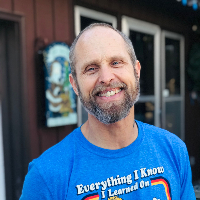
David Krych, LCSW
Wisconsin · 19 years in practice
David Krych is a Licensed Clinical Social Worker (LCSW) based in Wisconsin who helps people untangle overwhelming feelings and life disruptions.
License and registration
- LCSW, Wisconsin
- 3003-123 · expires February 2027
- NPI
- 1528483088 · national provider identifier
- Years in practice
- 19
- Languages
- English
Details are as listed on the therapist's public professional profile. You can check the license with the issuing state board, and the NPI with the national registry.
About David
David Krych is a Licensed Clinical Social Worker (LCSW) based in Wisconsin who helps people untangle overwhelming feelings and life disruptions. He focuses on listening, understanding what matters to each person, and working toward practical changes that feel achievable. David draws on nearly two decades of clinical practice and an earlier career working with adolescents.
He also speaks from personal experience in recovery from alcohol and addiction, which informs his approach to substance use and relapse risk without defining the person he meets in session.
Background and approach
In sessions he prioritizes connection and clear goals. He asks about a person’s struggles, values, and everyday strengths, then suggests small, concrete steps to try between meetings. He uses straightforward tools to manage anxiety, mood shifts, cravings, and relationship stress.
His work includes support for stress, anxiety, depression, bipolar mood issues, grief, trauma, and difficulties with intimacy and parenting. He also addresses habits related to eating, anger, and substance use, plus issues like codependency, communication problems, and caregiver strain. David blends client-centered listening with methods from Emotionally-Focused Therapy, Cognitive Behavioral Therapy, motivational interviewing, and existential thinking.
He aims to help people build self-acceptance, clarify life purpose, and gradually shape the daily routines that support lasting change.
Focus areas and approaches
Everything David lists on their public professional profile, in their own terms.
- Stress, Anxiety
- Addictions
- Intimacy-related issues
- Parenting issues
- Compassion fatigue
- Relationship issues
- Family conflicts
- Trauma and abuse
- Grief
- Eating disorders
- Anger management
- Bipolar disorder
- Depression
- Coping with life changes
- Coaching
- Abandonment
- Body image
- Caregiver issues and stress
- Co-morbidity
- Codependency
- Communication problems
- Drug and alcohol addiction
- Emptiness
- Family of origin issues
- Family problems
- Fatherhood issues
- Forgiveness
- Guilt and shame
- Isolation / loneliness
- Life purpose
- Men's issues
- Midlife crisis
- Seasonal Affective Disorder (SAD)
- Self-love
- Social anxiety and phobia
- Workplace issues
Approaches David names
- Emotionally-Focused Therapy (EFT)
- Client-Centered Therapy
- Cognitive Behavioral Therapy (CBT)
- Existential Therapy
- Motivational Interviewing
- Solution-Focused Therapy
Naming an approach is not evidence of training in it. This directory copies what each therapist lists and does not check training records.
Online support
Approaches that translate well to online care
Emotionally-Focused Therapy (EFT) centers on identifying and reshaping emotional responses in relationships and personal patterns; it helps people name core needs and change how they react to distress. Client-Centered Therapy focuses on listening, empathy, and meeting each person where they are so they can find their own answers at a comfortable pace. Cognitive Behavioral Therapy (CBT) offers concrete techniques to notice unhelpful thoughts and test small behavioral experiments to reduce anxiety, manage mood, or change habits.Choosing the right approach is a collaborative process. The therapist will talk with the person about their goals, preferences, and day-to-day reality, then suggest an approach or mix of methods to try. Together they review what is working and adjust the plan as needed.
Online sessions are offered by video calls, phone sessions, live chat, or text-based messaging to fit different needs. Video lets people benefit from face-to-face conversation when schedules allow. Phone sessions can fit a break at work or require less bandwidth. Live chat and messaging support quick check-ins, written reflection, or ongoing coaching-style support between appointments. These options aim to make regular care more flexible and easier to fit into real life.
We will earn a commission if you sign up through our link, at no cost to you. It does not change what you pay or the order of the listings.
Questions people ask
What kinds of problems does this therapist help with?
He supports people facing stress, anxiety, depression, bipolar symptoms, trauma, grief, and relationship or intimacy struggles. He also works with addiction, parenting strain, anger, eating concerns, and life purpose questions.
What is his general therapeutic style?
He emphasizes listening and building a clear plan with the person. Sessions combine empathic, client-centered conversation with practical tools drawn from several approaches.
How much clinical experience does he have?
He has 19 years of clinical experience and earlier work with adolescents, plus personal experience in recovery that informs his perspective on addiction work.
What credential and region does he practice from?
He is a Licensed Clinical Social Worker, LCSW, licensed in Wisconsin and based in that state.
Can sessions be conducted in languages other than English?
Sessions are offered in English.
What formats are available for sessions?
Sessions may take place via video calls, phone sessions, live chat, or text-based messaging to suit different schedules and communication preferences.
How are fees and payments handled?
Cost varies by location and therapist availability and is provided through a subscription model that can be canceled at any time.
How do I begin working with him?
Start by selecting the Start Therapy button and completing a short matching questionnaire, then schedule according to therapist availability.
More therapists in Wisconsin
See allAugustina Garba
LPCC, LPC
Compassionate counselor focused on relationship repair
- Stress, Anxiety
- Relationship
- Family
Gary Swan
LCSW
Practical, steady support for life’s hard moments
- Stress, Anxiety
- Addictions
- Relationship
Jasmine Gaines
LPC
Insightful counselor focused on relationships and emotion
- Stress, Anxiety
- Family
- Trauma and abuse

Stephanie Sayles
LCSW
Collaborative, practical therapy for emotional healing
- Addictions
- Relationship
- Trauma and abuse
Is this your profile?
Ask us to correct details or take the page down.
Contact us