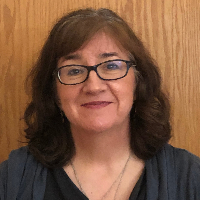
Augustina Garba
LPCC, LPC
Compassionate counselor focused on relationship repair
- Stress, Anxiety
- Relationship
- Family
Wisconsin 21 years in practice
Clinical social work directory
61 therapists in this directory hold a licence issued in Wisconsin and name systemic therapy among their approaches. Sessions are online; a US therapist can usually only see people in a state where they hold a licence, so check the credentials panel on each profile.
Welcome to our directory of online therapists serving Wisconsin - every therapist listed holds a state license. Explore profiles, review credentials and approaches, and use filters to find therapists who list EFT among their approaches.
LPCC, LPC
Compassionate counselor focused on relationship repair
LCSW
Practical, steady support for life’s hard moments
LPC
Insightful counselor focused on relationships and emotion
LCSW
Collaborative, practical therapy for emotional healing
LCSW
Compassionate, practical therapy for strong emotions
LPC
Emotion-focused counselor helping people build connection
LPC
Compassionate counselor with long clinical experience
LCSW
Experienced LCSW focused on emotional healing and growth
LPC
Experienced counselor blending practical skills and emotion work
LPC
Compassionate counselor guiding practical change
LCSW
Warm, practical therapy for lifes hard moments
LCSW
Compassionate LCSW focusing on emotional healing
LCSW
Practical, emotion-focused support for life changes
LCSW
Therapist focused on attachment and emotion
LPC
Therapist focused on emotions and relationships
LPC
Calm, practical therapy for emotional change
LPC
Support for stress, anxiety, and relationships
LMFT
Experienced relational therapist focused on emotional connection
LCSW
Warm, direct therapy focused on emotional connection
LPC
Compassionate counselor for life challenges
LPC
Calm practical support for life transitions
LPC
Compassionate counselor focused on emotional connection
LPC
Compassionate counselor focused on emotional healing
LCSW, LISW
Compassionate social worker focused on emotional healing
LPC
Compassionate guidance for relationship and emotional struggles
LCSW
Experienced LCSW focusing on emotions and coping
LPC, LPCC
Emotion-focused counselor with practical strategies
LCSW
Compassionate, strengths-based clinical social worker
LPC
Compassionate counselor helping people regain balance
LPC
Compassionate counselor focusing on relationships and coping
LPC
Helping people name and move through strong emotions
LPC
Compassionate, practical counseling in Wisconsin
LPC
Compassionate, practical support for emotional struggles
LPC
Therapist blending emotion work and practical skills
LPC
Relational, emotion-focused counseling for everyday struggles
LPC
Direct and practical therapy for emotional struggles
LPC
Emotionally-focused counselor for relationship concerns
LPC
Compassionate, practical therapy focused on emotions
WI Psychologist
Experienced Wisconsin psychologist focused on emotions and relationships
LCSW
Emotion-focused, practical therapy for adults
LMFT
Compassionate, attachment-focused therapy for everyday life
LPC
Compassionate therapist focused on emotions and change
Some links on this page are partner links. We will earn a commission if you sign up through one, at no cost to you. It does not change what you pay or the order of the listings.
Online therapy has become an established option for people across Wisconsin, blending traditional clinical practice with video and phone sessions. In recent years, many licensed clinicians have added virtual care to their services to reach people in cities, small towns and rural counties. The legal framework for offering telehealth is managed at the state level, so licensed clinicians who provide online sessions must follow Wisconsin law and professional board rules that govern their practice. That means the clinicians you find in this directory hold a license issued by Wisconsin authorities, and their profiles list the credentials and areas of focus they report.
Because telehealth practices evolve with technology and regulation, you will encounter a range of formats. Some clinicians offer real-time video meetings while others include phone sessions or text-based tools as part of a broader plan. Each clinician’s profile describes the modes they list, the populations they work with and the therapeutic approaches they mention. If you are looking for someone who specifically lists EFT among their approaches, you can narrow your search to see those profiles and read how therapists describe their work style and specialties.
Online therapy can be especially useful if you live in a location where in-person options are limited or if your schedule makes travel difficult. You can save commuting time and connect from a home, office or another comfortable environment without needing to cross county lines. For many people in Wisconsin, online sessions make it easier to maintain continuity of care through life transitions such as moving, work changes or family responsibilities.
Another advantage is flexibility in matching with a clinician who fits your needs. You are not limited to practitioners in your immediate area, so you can find someone who lists experience with specific life concerns, cultural backgrounds or languages that matter to you. Online therapy can also make it easier to involve family members or partners for joint sessions when that approach is part of the treatment plan. Finally, virtual formats offer predictable scheduling patterns, which can help you build a steady routine of care that fits your life.
Therapists who offer online sessions in Wisconsin work with a broad range of emotional and interpersonal concerns. Many people seek support for anxiety, depression, life stress, grief, relationship challenges and parenting difficulties. Others are looking for help managing work-related stress, navigating transitions such as separation or retirement, or addressing trauma-related symptoms. Because clinicians list the approaches they use, you can find professionals who mention certain modalities among their approaches and read how they describe applying those methods.
Couples and families may pursue online sessions to improve communication, address conflict or rebuild trust, while individuals often seek single-person therapy for mood regulation, problem-solving and personal growth. Online therapy is also used to coordinate care with other providers, to support behavioral health goals alongside medical treatment, and to provide early interventions before concerns escalate. Whatever your presenting issue, the profiles in this directory highlight the areas each clinician lists so you can evaluate the fit based on the issues they describe working with.
Verifying a license is an important step when you are considering a clinician. In Wisconsin, licenses for behavioral health professionals are issued and overseen by state authorities. You can check a clinician’s licensure status online through the Wisconsin Department of Safety and Professional Services or the appropriate state board page. A license lookup will typically show the type of license held, the status and whether any disciplinary actions are recorded. You can search by the clinician’s name or license number when that information is available on a profile.
When you review a license record, look for the license type that aligns with the professional title shown on a therapist’s profile, such as licensed clinical social worker, licensed professional counselor or psychologist. The public record will note the issue and expiration dates and may include any sanctions or official actions. If you have questions about what you find, contacting the state board directly can help clarify the details. Confirming licensure gives you an additional layer of factual information to pair with what you learn from a clinician’s profile and biography.
Getting started with online therapy begins with a clear sense of what you want from the process. Think about the issues you want help with, whether you prefer a clinician who lists certain approaches among their methods, and any practical considerations such as session length, fee range and whether you intend to use insurance. Use the directory filters to locate clinicians who list the approaches, credentials and languages that matter to you, and read several profiles to compare how therapists describe their focus and style.
When you narrow candidates, consider asking questions about how they structure online sessions, how they handle emergencies if they arise during a virtual appointment, and how they protect client information. You can also inquire about the clinician’s experience working with your particular concern and with people from similar cultural or life backgrounds. It is appropriate to ask about the session format - whether sessions are primarily talk-based, include specific interventions, or incorporate techniques you are interested in. If a therapist lists EFT among their approaches, you can ask how they describe using those methods in practice and whether that style fits your goals.
Trust your impressions when you review profiles and speak with clinicians. It is reasonable to expect clear communication about fees, the anticipated length of sessions and any paperwork required before starting. Pay attention to whether a therapist’s tone, stated focus areas and approach align with your preferences. If language or cultural perspective is important to you, look for clinicians who list those competencies. Finally, prepare for your first session by setting a quiet, interruption-free area to connect, knowing the technical steps to join the meeting, and having a short list of goals or topics you want to address. Starting therapy is an active process - you can refine your match as you learn more about how you respond to different clinicians and approaches.
Online therapy expands the pool of licensed clinicians available to people across Wisconsin and offers practical options for many kinds of concerns. By reviewing profiles, verifying licensure through the state board and asking thoughtful questions about methods and logistics, you can find a clinician who aligns with your needs. Use the directory to focus on the qualifications and approaches that matter most to you, including clinicians who list EFT among their methods, and take the first step toward arranging an introductory conversation that helps you evaluate fit and next steps.