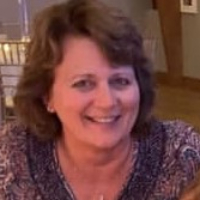
Cindy McGraw, LPC
Michigan · 15 years in practice
Cindy McGraw is a Licensed Professional Counselor (LPC) based in Michigan who helps people manage stress, anxiety, depression, grief, trauma, and relationship struggles.
License and registration
- LPC, Michigan
- 6401002855 · expires September 2026
- NPI
- 1750895736 · national provider identifier
- Years in practice
- 15
- Languages
- English
Details are as listed on the therapist's public professional profile. You can check the license with the issuing state board, and the NPI with the national registry.
About Cindy
Cindy McGraw is a Licensed Professional Counselor (LPC) based in Michigan who helps people manage stress, anxiety, depression, grief, trauma, and relationship struggles. She focuses on practical steps clients can use to feel less overwhelmed and more confident. Cindy aims to make therapy feel like a steady conversation rather than a lecture.
She uses clear, straightforward methods to address thinking patterns that keep people stuck. That can include learning new coping skills, adjusting unhelpful thoughts, and practicing ways to communicate more clearly.
Background and approach
Sessions often move between exploring past experiences and trying out concrete strategies for today. Cindy draws on Emotionally-Focused Therapy to look at emotional experiences and how they shape close connections. She also uses attachment-based ideas to notice repeating relationship patterns, and client-centered methods to keep sessions focused on each person's goals.
Cognitive Behavioral Therapy and Dialectical Behavior Therapy tools may be added to teach practical skills like emotion regulation and problem solving. Her approach is collaborative. Clients set goals and Cindy helps design steps to reach them, with attention to pace and comfort.
She pays special attention to issues such as abandonment, body image, family of origin concerns, and compassion fatigue. Cindy has 15 years of counseling experience working with adults and seniors on areas like parenting strain, midlife transitions, post-traumatic stress, and feelings of isolation. She offers sessions by video, phone, live chat, or text-based messaging to fit different needs and schedules.
Focus areas and approaches
Everything Cindy lists on their public professional profile, in their own terms.
- Stress, Anxiety
- Relationship issues
- Trauma and abuse
- Self esteem
- Depression
- Family conflicts
- Grief
- Parenting issues
- Anger management
- Coping with life changes
- Coaching
- Compassion fatigue
- Abandonment
- Attachment issues
- Body image
- Communication problems
- Dependent personality
- Family of origin issues
- Forgiveness
- Guilt and shame
- Isolation / loneliness
- Life purpose
- Midlife crisis
- Post-traumatic stress
- Women's issues
Approaches Cindy names
- Emotionally-Focused Therapy (EFT)
- Attachment-Based Therapy
- Client-Centered Therapy
- Cognitive Behavioral Therapy (CBT)
- Dialectical Behavior Therapy (DBT)
- Eye Movement Desensitization and Reprocessing (EMDR)
- Mindfulness Therapy
- Motivational Interviewing
- Solution-Focused Therapy
- Somatic Therapy
- Trauma-Focused Therapy
Naming an approach is not evidence of training in it. This directory copies what each therapist lists and does not check training records.
Online support
How emotional work and practical skills translate online
Emotionally-Focused Therapy (EFT) helps people notice and name strong emotions and how those emotions shape important relationships. It can be useful for processing hurt and strengthening how someone connects with others.Attachment-Based Therapy looks at long-term patterns that affect trust and closeness. It helps people recognize repeating behaviors tied to early relationships and try new ways of relating. Client-Centered Therapy keeps the work focused on the person's own goals and pace, with the therapist responding in a respectful, nonjudgmental way.
Choosing the right mix of approaches is part of the work. The therapist will talk with each person about goals, symptoms, and what feels most useful, then shape sessions together. That way treatment fits both the situation and personal preferences.
Online therapy options include video calls, phone sessions, live chat, and text-based messaging. Video is good for face-to-face conversations and visual cues. Phone sessions can fit into a work break or be easier when bandwidth is limited. Live chat and text messaging are helpful for shorter check-ins, jotting down thoughts between sessions, and keeping a steady connection on a flexible schedule.
We will earn a commission if you sign up through our link, at no cost to you. It does not change what you pay or the order of the listings.
Questions people ask
What kinds of concerns are addressed?
Cindy supports people dealing with stress, anxiety, depression, trauma and abuse, grief, relationship struggles, self-esteem, parenting strain, anger, and life changes. She also focuses on issues like abandonment, attachment problems, body image, and compassion fatigue.
How would you describe her approach in sessions?
Sessions are collaborative and straightforward, mixing emotional exploration with practical skill building. Methods include Emotionally-Focused Therapy, attachment-based ideas, client-centered work, and CBT or DBT tools when helpful.
What is her clinical background and experience?
She is a Licensed Professional Counselor with 15 years of counseling experience. That background includes helping adults and seniors with trauma, grief, relationship concerns, and mood symptoms.
Where does she practice and what credential does she hold?
Cindy practices in Michigan and holds the credential LPC, which stands for Licensed Professional Counselor in that state.
Which languages are sessions offered in?
Sessions are offered in English only. International clients are not currently accepted.
What session formats are available?
Sessions can be scheduled as video calls, phone sessions, live chat, or text-based messaging to match different schedules and preferences.
How does cost and billing work?
Cost varies by location and therapist availability. Sessions use a subscription model that can be canceled at any time.
How do I begin working with this therapist?
Start by clicking the Start Therapy button, complete a short matching questionnaire, and then schedule sessions according to the therapist's availability.
More therapists in Michigan
See all
Prof. Ryan Davis
LPC
Practical, emotion-focused counseling for real life
- Stress, Anxiety
- Addictions
- Relationship

Ruth Vanden Bosch
LPC
Compassionate counselor blending emotional and practical work
- Stress, Anxiety
- LGBT
- Relationship

Karin Johnson
LMSW
Compassionate social worker focused on relationships
- Stress, Anxiety
- Relationship
- Family

Is this your profile?
Ask us to correct details or take the page down.
Contact us